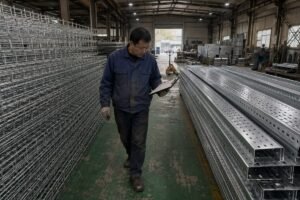
Cable Tray
How Do Cable Baskets Differ From Cable Trays?
Cable baskets and cable trays differ in structure, load capacity, and airflow—learn which one fits your project’s power or data

Cable baskets and cable trays differ in structure, load capacity, and airflow—learn which one fits your project’s power or data
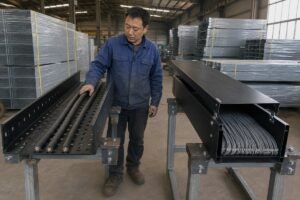
Cable tray suits heavy, heat-generating power runs, while cable trunking protects small signal cables from dust and interference—choose based on

Cable ladder vs cable tray: compare structure, load capacity, and airflow to pick the right cable management system and avoid
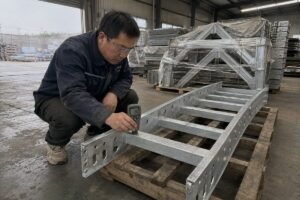
Choosing between 100 micron and 65 micron HDG cable ladder? Match coating to corrosivity category for 50-year, maintenance-free protection in
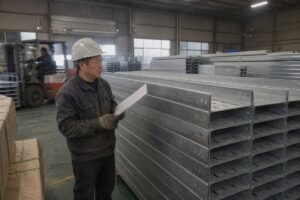
Hot dipped galvanized perforated cable tray gives you 65μm+ zinc coating that seals every hole and edge, stopping edge-creep rust
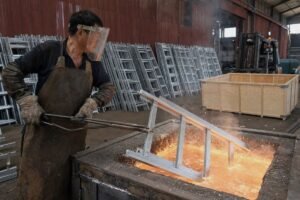
Hot dipped galvanized cable ladder resists rust through zinc barrier and sacrificial protection, cutting replacement costs on harsh industrial sites.
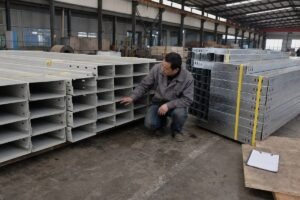
RAL 7035 vs hot-dip galvanized cable tray: compare upfront bulk pricing and lifecycle costs to choose the most cost-effective finish
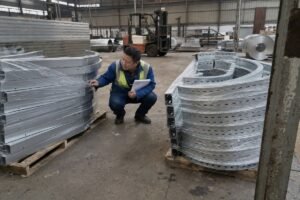
Standard galvanized suits dry indoor spaces, but coastal projects demand HDG cable trays for lasting protection against salt spray and
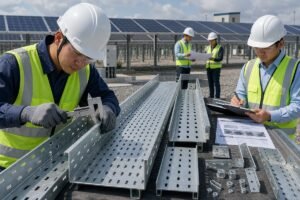
Choose galvanized perforated cable trays for solar power by matching zinc thickness to site corrosivity, verifying IEC/NEMA load ratings, and
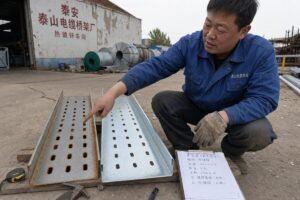
Hot-dip galvanized perforated cable trays outperform GI trays outdoors, offering thicker zinc coating and 20-50 year corrosion resistance versus 2-5