Rust destroys under-specified cable routes fast. On our production line in Tai’an, buyers ask weekly what a [100 micron HDG cable ladder](https://lanyecabletray.com/?p=4581) is actually used for.
A 100 micron HDG cable ladder supports, routes, and protects heavy power and control cables in harsh environments. The 100 micron zinc coating thickness gives hot dip galvanized steel extended corrosion resistance, making it ideal for coastal, industrial, rooftop, and offshore installations needing decades of maintenance-free service.
The key point is simple. The “100 micron” refers to the zinc coating 1, not the ladder’s size. Get that right, and the rest of the specification falls into place. Let me walk you through how we help EPC buyers make this call.
How do I know if 100 micron HDG coating is right for my project environment?
Last month a project director in Singapore messaged me on WhatsApp asking whether his rooftop containment really needed 100 microns. My first question back was simple: how close is the sea?
Match the coating to your site’s atmospheric corrosivity category. Specify 100 micron HDG for C5-M marine, C5-I industrial, or projects demanding 50-year maintenance-free service. For inland C3 environments, a standard 65 micron coating is usually sufficient and more cost-effective.
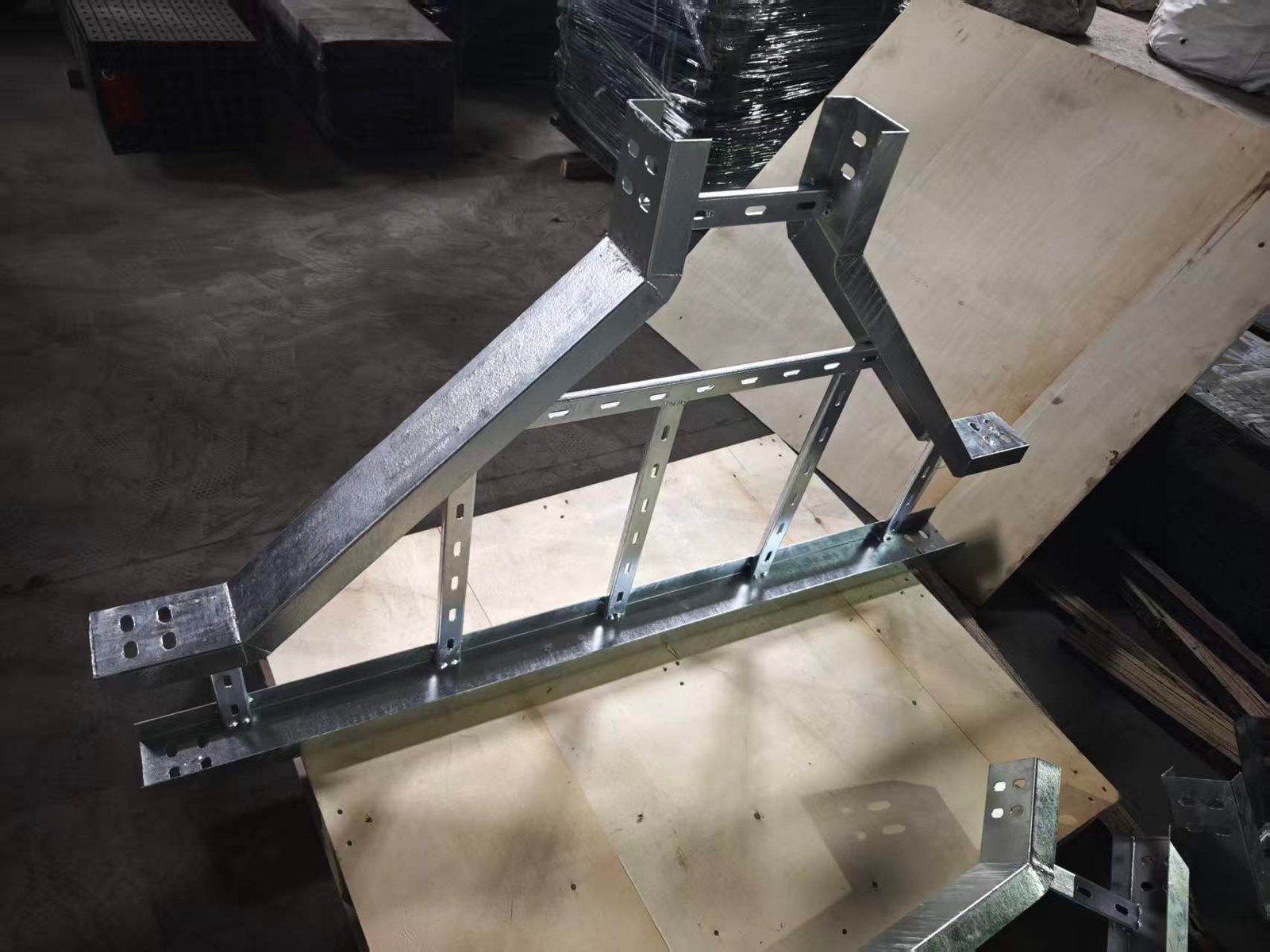
My honest advice to every buyer is this: choose by need, and avoid over-design. The 100 micron level is a balance point between performance and cost. If your project sits in an ordinary inland industrial zone rated C3, a conventional 65 micron coating already does the job. Paying for 100 microns there wastes budget with no real return. Only when the site reaches C5 or above, or when the contract explicitly demands a 50-year maintenance-free service life, should you lock in 100 microns.
Understanding atmospheric corrosivity categories
Zinc corrodes at a predictable rate for each corrosion resistance class. Thicker zinc means more sacrificial metal, so the service life expectancy 2 scales with coating thickness. Here is the guide I share with clients:
| Category | Typical environment | Suggested zinc coating | Expected outcome |
|---|---|---|---|
| C1–C2 | Dry indoor, rural inland | Pre-galvanized or 45–55 µm | Decades of protection |
| C3 | Urban, moderate industrial | 65 µm HDG | Standard project life |
| C4 | Coastal-adjacent, humid industrial | 85 µm HDG | Extended durability |
| C5-I / C5-M | Heavy industry, marine, offshore | 100 µm HDG | 50+ years, low maintenance |
When 100 microns is worth every dollar
In C5-M and C5-I environments, salt spray and pollutants attack steel constantly. Here, 100 micron HDG delivers maximum corrosion protection. The zinc layer also self-heals: at cut edges, drill holes, or scratches, surrounding zinc sacrificially protects the exposed steel. In moderate outdoor conditions, that same coating can push maintenance-free life well past 50 years. Standards matter too. We reference the ISO 1461 standard 3 and ASTM A123 Grade 100 when confirming feasibility, because achievable thickness depends on the steel substrate.
Which industries typically specify 100 micron HDG cable ladders for their installations?
Every batch we galvanize for a coastal solar farm gets a longer dip time than our standard inland orders. That difference exists because certain industries simply cannot accept early corrosion.
Industries specifying 100 micron HDG cable ladders include offshore oil and gas, petrochemical plants, coastal solar farms, water treatment facilities, power stations, marine ports, tunnels, and desalination plants. All share aggressive C4–C5 environments, heavy cable loads, and strict long-term reliability requirements.
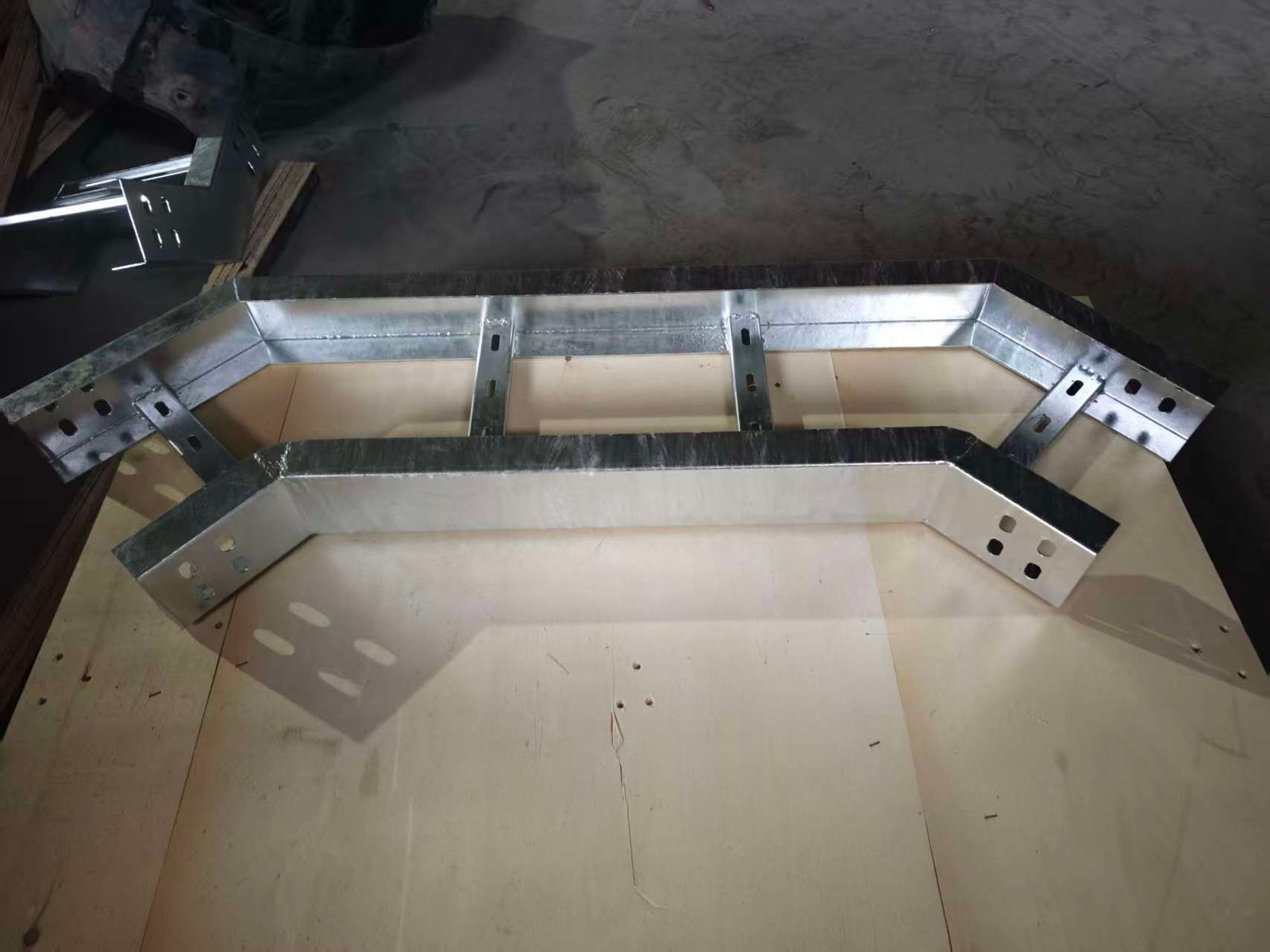
The pattern across these industries is consistent. They combine heavy cable runs, exposed routing, and limited access for maintenance. That combination pushes specifiers toward the thick end of the HDG range. Here is how the demand breaks down in our export experience:
| Industry | Typical environment | Why 100 µm HDG is specified |
|---|---|---|
| Offshore oil & gas | C5-M, salt spray | Maximum protection; replacement is nearly impossible at sea |
| Petrochemical | C5-I, chemical vapors | Resists aggressive pollutants around process units |
| Solar farms | Desert or coastal | Withstands extreme thermal cycling without coating delamination |
| Water treatment | High humidity, chemicals | Constant moisture demands durable industrial cable management |
| Tunnels & bridges | Condensation, exhaust | Infrequent maintenance windows favor long coating life |
| Power stations | Heat, outdoor switchyards | Heavy duty cable support with decades of reliability |
Where our export orders actually go
Most of our 100 micron orders ship to Southeast Asia and South America—regions dominated by coastal and offshore environments. A Singapore rooftop plant room, a Philippine coastal substation, and a Thai water treatment works all face humid, salt-laden air. There is also a sustainability angle gaining traction. Because thick HDG dramatically reduces replacement frequency, it lowers lifecycle carbon, which green construction programs increasingly reward. One more benefit engineers appreciate: even as the surface weathers into a stable zinc carbonate patina, the ladder maintains reliable electrical continuity for grounding and lightning protection paths.
What load capacity can I expect from a 100 micron HDG cable ladder?
Early in my export career, I learned a hard lesson: a buyer assumed thicker galvanizing meant a stronger ladder. It does not, and confusing the two causes real design errors.
Load capacity depends on steel thickness, side rail height, rung spacing, and support span—not the zinc coating. A typical heavy-duty 100 micron HDG cable ladder carries substantial cable loads over long spans, verified through IEC 61537 load testing with a 1.7 safety factor.
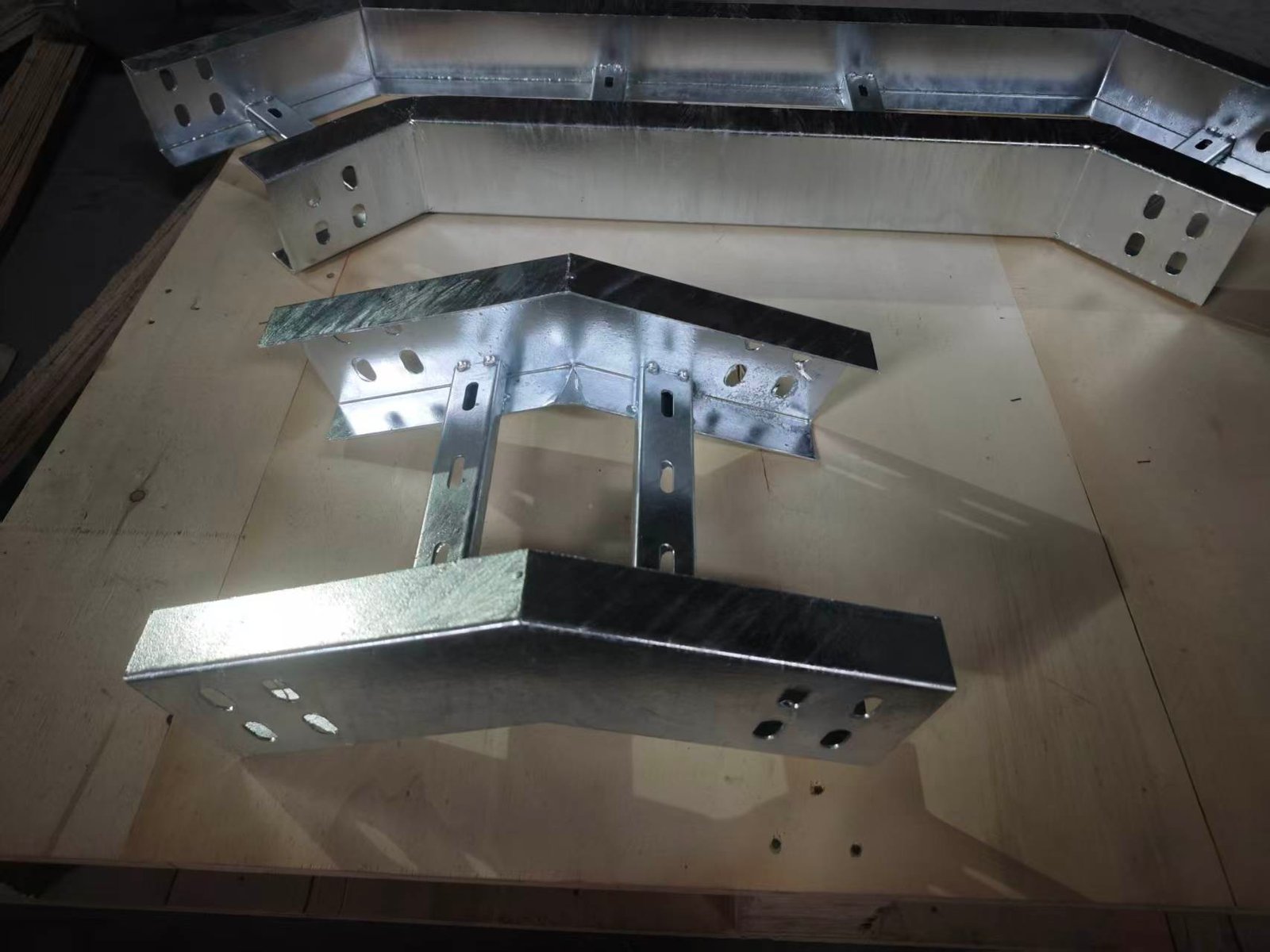
The coating protects the structure; the structure carries the load. Keep those two roles separate when reviewing a datasheet, and you will read supplier claims far more critically.
What actually determines load bearing capacity
The ladder form—two side rails connected by welded rungs—is inherently strong. That is why cable ladders 4, not trays, get selected for large power cables over long spans. But within the ladder family, capacity varies widely based on the factors below:
| Design factor | Effect on load bearing capacity |
|---|---|
| Steel thickness (gauge) | Thicker rails resist bending and local buckling |
| Side rail height | Deeper profiles carry more load per span |
| Rung spacing | Closer rungs distribute point loads better |
| Support span | Doubling the span sharply reduces safe working load |
| Rung weld quality | Weak welds fail before the rails do |
When we quote a project, we ask for the cable schedule and the planned support spacing first. Only then can we recommend a rail height and gauge that meets the safe working load with margin. Always request span-load charts based on recognized load testing rather than a single headline number.
One assembly detail buyers miss
Hot dip galvanizing adds real thickness—roughly 100 to 150 microns total across mating surfaces. Bolt holes, splice plates, and interlocking joints must be engineered with that allowance, or fittings bind on site. Our tooling accounts for this before dipping, which is a detail worth confirming with any supplier.
How do I ensure quality control when sourcing 100 micron HDG cable ladders from a supplier?
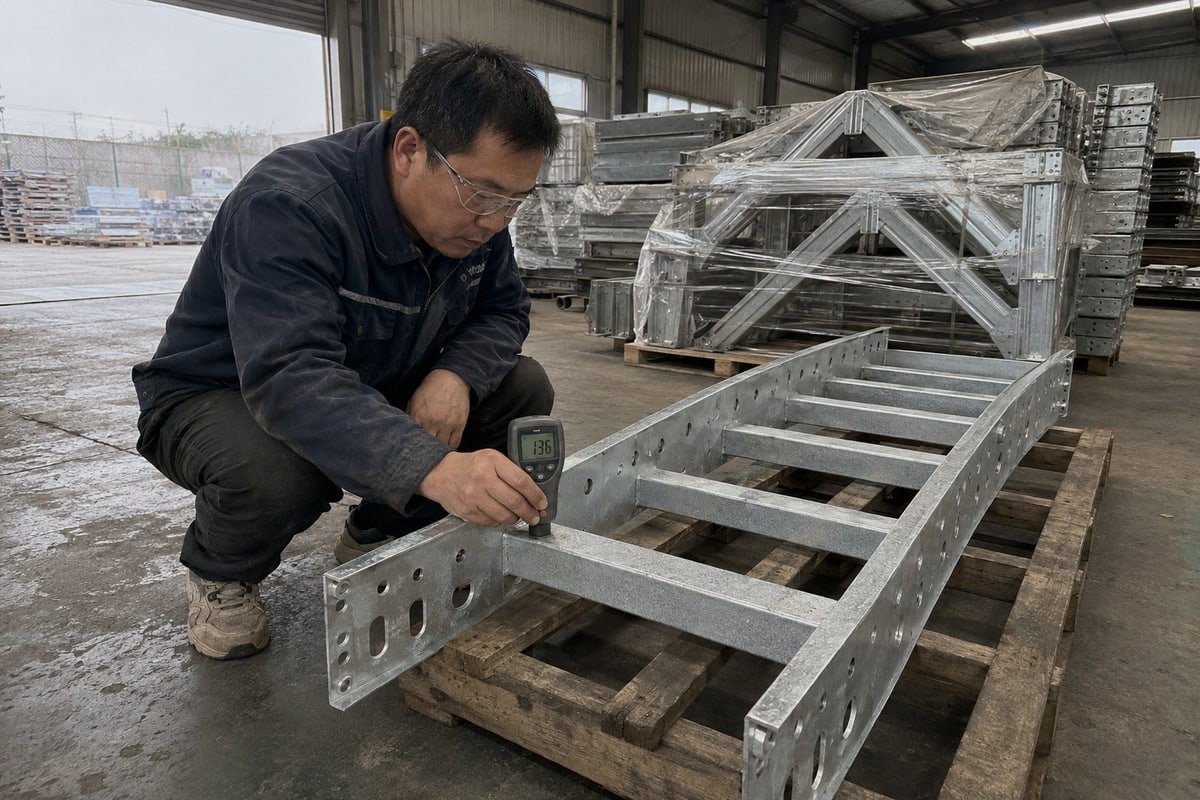
Our QC bench in Tai’an keeps a magnetic thickness gauge beside a small hammer. Before any container ships, both get used on random samples from every batch.
Write the coating requirement—minimum 100 microns—into the contract and inspection standard. Demand compliance with ISO 1461 or ASTM A123 Grade 100, third-party thickness reports, multi-point magnetic gauge measurements, and adhesion verification such as a hammer test before shipment.

Here is the process I recommend to every procurement manager, based on what actually prevents disputes. Thickness is your hard, quantifiable metric—but thickness alone is not the whole story of quality.
A six-step sourcing QC process
- Lock the specification at the quotation stage. Require the supplier to commit in writing to a coating thickness of ≥100 µm, and write it into both the contract and the inspection standard. This becomes your quantifiable basis for acceptance.
- Confirm feasibility against the steel. Under the ISO 1461 standard, achievable zinc coating thickness depends on the substrate thickness and steel chemistry. Verify that your ladder profile can genuinely reach 100 µm before ordering.
- Verify it is true hot dip galvanized steel. Pre-galvanized sheet carries a far thinner coating and underperforms outdoors where salt spray and pollution persist. The crystalline spangle and coated cut edges of post-fabrication HDG are visibly different.
- Require third-party test reports. Beyond thickness, demand documented adhesion and uniformity results. A coating that flakes under a hammer test fails regardless of its measured microns.
- Measure at multiple points. A magnetic gauge should sample rails, rungs, and flanges, checking both local minimums and the mean against the agreed grade.
- Plan for site protection. Any field-cut edges or drilled holes should receive zinc-rich touch-up paint, even though zinc’s sacrificial action protects small exposed areas.
Serving EPC clients across Singapore, the Philippines, and South America, I have seen this checklist eliminate the two pain points buyers fear most: rejected shipments and costly returns.
Conclusion
Under-specify and rust wins; over-specify and budgets suffer. Match 100 micron HDG cable ladder to genuine C5 conditions, verify coating quality in writing, and your containment will outlast the cables.
Footnotes
- Official ASTM standard providing specifications for zinc coatings applied to iron and steel products by hot-dip galvanizing. ↩︎
- Authoritative resource explaining the factors that determine the service life of hot-dip galvanized steel. ↩︎
- Official international standard specifying the requirements for hot dip galvanized coatings on fabricated iron and steel articles. ↩︎
- Wikipedia entry providing a technical overview of cable tray and cable ladder systems used in industrial cable management. ↩︎