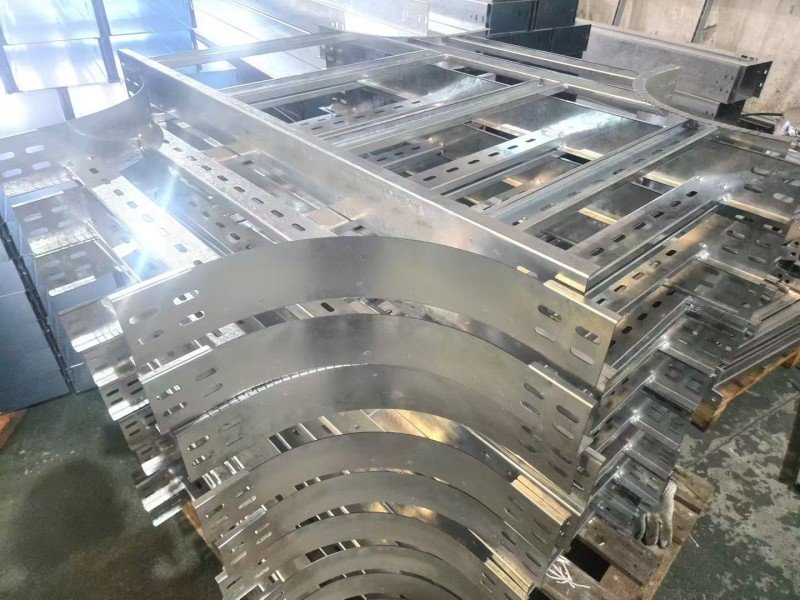
Choosing hot-dip galvanized cable trays 1 for solar projects in the Philippines is harder than it looks. I learned this at our Tai’an workshop when a client’s coastal site corroded trays within two years NEMA VE 1 2. Salt spray, typhoons, and heat punish weak specifications mercilessly. The fix? Spec the coating, the load, and the standard before you ever discuss price.
To choose hot-dip galvanized cable trays for Philippine solar projects, specify a zinc coating of 65–85 microns per ASTM A123, select ladder type trays for ventilation, verify IEC 61537 or NEMA VE 1 load ratings, and confirm Philippine Electrical Code grounding compliance before ordering.
That is the short answer. But each of those points hides real decisions. Let me walk you through them one by one, the way I do with EPC buyers every week.
What Galvanized Coating Thickness Do I Need for Philippine Solar Farm Conditions?
Last year, a procurement engineer from Manila sent me photos of rusted trays from another supplier. The edges failed first. The coating was pre-galvanized, not hot-dip. That difference decided everything.
For Philippine solar farms, specify a hot-dip galvanized zinc coating of 65–85 microns, compliant with ASTM A123 standards. Inland sites can accept 65 microns; coastal sites exposed to salt spray should demand 80 microns or more for a 25-year service life.
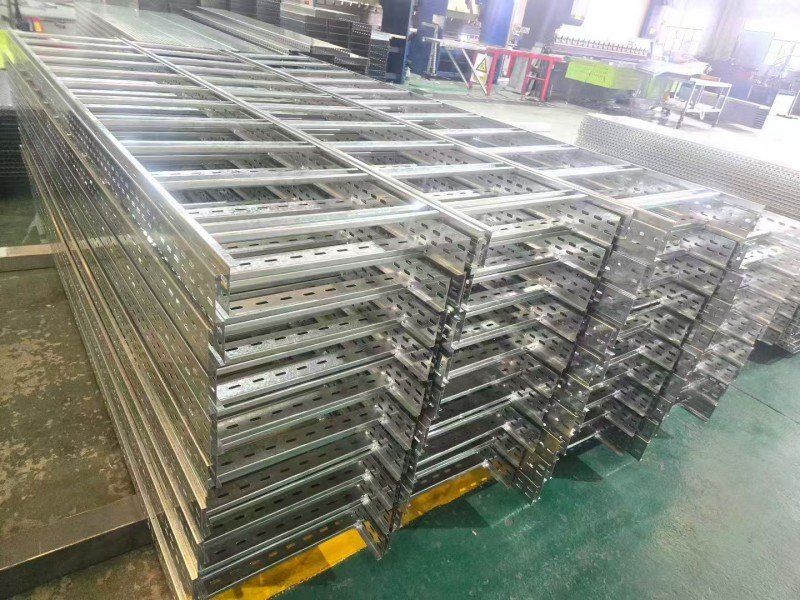
The Philippines is one of the toughest environments we ship to. High humidity, heavy rainfall, and salt-laden coastal air all attack steel. Corrosion resistance is not a bonus feature here. It is the core requirement.
Why Hot-Dip Beats Pre-Galvanized
Hot-dip galvanizing immerses the fabricated steel in molten zinc. The zinc bonds metallurgically with the steel. Pre-galvanized sheet gets coated before cutting and punching. So every cut edge and punched hole stays exposed. In our experience exporting to Southeast Asia, those bare edges are where rust always starts. That is why we recommend “after fabrication” galvanizing for outdoor solar work. Every hole, edge, and weld gets sealed in zinc.
Matching Coating to Site Exposure
Not every site needs the same thickness. Here is the framework I share with EPC teams:
| Site Environment | Recommended Coating | Expected Service Life | Notes |
|---|---|---|---|
| Inland, moderate exposure | 65 microns HDG | 20–25 years | Standard ASTM A123 minimum |
| Near-coastal (1–5 km from sea) | 80 microns HDG | 20+ years | Request salt spray test report |
| Direct coastal, heavy salt spray | 85+ microns HDG or stainless steel | Varies | Stainless steel for severe zones |
| Industrial/chemical proximity | Stainless steel preferred | Case by case | HDG zinc depletes faster in acids |
Coating thickness alone is not enough. Galvanizing quality matters just as much. A thick but poorly adhered coating flakes off under handling. We check adhesion and uniformity on every batch before it leaves our floor. Ask your supplier to do the same, and ask for the measurement records, not just a verbal promise.
One more point on heat. Philippine sun makes trays act like heat sinks. Ladder type cable tray designs help cables shed that heat, which protects both the coating and the cable ampacity ratings.
How Do I Verify Cable Tray Quality Before Placing a Bulk Order?
A Singapore project director once told me over WhatsApp: “Lily, I don’t buy trays. I buy proof.” He had been burned by a container of substandard trays before. That sentence changed how we document quality.
Verify quality by requesting mill certificates for the steel, zinc coating thickness reports per ASTM A123, salt spray test results, IEC 61537 or NEMA VE 1 load test data, and pre-shipment inspection photos. Order samples first, then audit the first production batch.
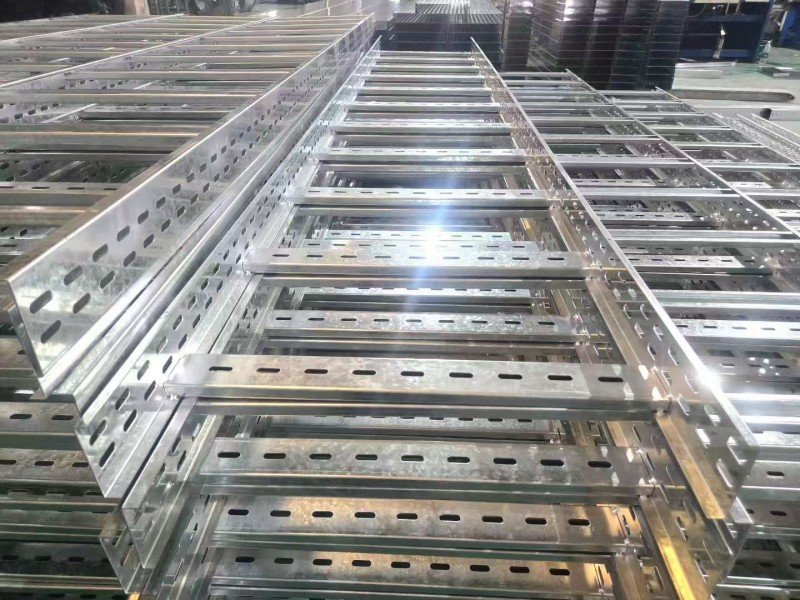
Quality control is the number one pain point I hear from EPC buyers sourcing from China. Delivery delays hurt, but a failed batch on site hurts more. Returns across an ocean are painful for everyone. So build verification into your purchase process from day one.
A Practical Verification Sequence
Here is the process we walk buyers through at our factory:
- Request documentation first. Mill certificates prove the base steel grade. Coating reports prove zinc coating thickness 3 against ASTM A123 standards.
- Order physical samples. A one-meter sample tells you more than fifty photos. Check the coating uniformity, weld quality, and edge finishing yourself.
- Demand load test data. Trays must meet IEC 61537 4 or NEMA VE 1 deflection limits at your planned support span. Ask for the test setup details, not just a pass stamp.
- Ask for a salt spray test report. For coastal Philippine sites, this is your best predictor of real-world corrosion resistance.
- Arrange pre-shipment inspection. Use a third-party inspector or request timestamped photos and coating gauge readings from the production floor.
What the Numbers Should Show
| Check Item | Method | Acceptable Result |
|---|---|---|
| Zinc coating 5 thickness | Magnetic gauge, multiple points | 65–85 microns average, per spec |
| Coating adhesion | Hammer or knife test | No flaking or peeling |
| Load deflection | IEC 61537 span test | Within rated deflection at working load |
| Salt spray endurance | Neutral salt spray test | No red rust within specified hours |
| Dimensional accuracy | Caliper and tape check | Within drawing tolerances |
We keep gauge readings on file for every export batch. In my experience, suppliers who resist sharing this paperwork are telling you something important. Listen to that signal before your deposit clears, not after.
What Customization Options Should I Request for My Solar EPC Project?
The trade-off I weigh most often with solar EPC clients is standardization versus fit. Standard trays ship faster. But a solar farm has homerun bundles, inverter clusters, and long outdoor runs that rarely match catalog dimensions perfectly.
Request customized tray widths and depths matched to your cable fill, rung spacing suited to DC string bundles, site-specific support spans of 1.5–3 meters, typhoon-rated hold-down clamps, locking covers, expansion joints, and pre-fabricated bends to reduce field cutting.
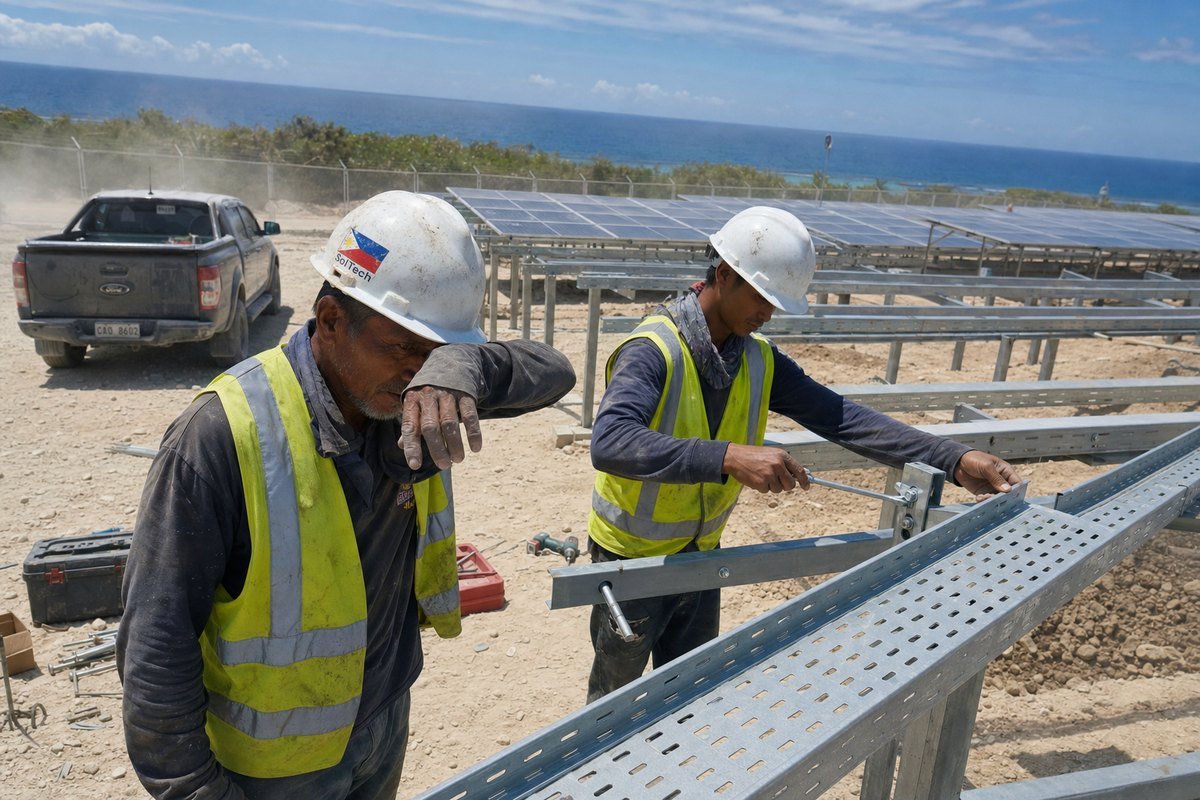
Our OEM and ODM work with EPC brand owners taught me that good customization starts with the cable schedule, not the tray catalog. Send your supplier the actual cable list. Let them calculate fill and weight. Then customize around real numbers.
Dimensions Driven by Cable Fill
Solar DC homeruns create concentrated loads. A tray sized for individual cables can still sag under bundled weight. So we size width and depth for the bundle, plus 20–30 percent spare capacity for future strings. Rung spacing matters too. Tighter rungs support small solar cables better and reduce sag between supports.
Philippine-Specific Options Worth Paying For
The Philippines adds three demands most catalogs ignore. First, typhoons. Standard covers can lift off in Category 5 winds, so we fabricate locking covers and reinforced hold-down clamps for exposed runs. Second, earthquakes. The archipelago sits on active fault lines 6, so flexible expansion joints and seismic-compatible bracing protect long tray runs from ground movement. Third, heat. High ambient temperatures argue for ladder type cable tray designs on high-amperage runs, because open rungs let heat escape and reduce cable derating.
Accessories: The Forgotten Line Items
Incomplete accessory lists cause more site delays than tray shortages do. Your bill of materials should include horizontal and vertical bends, tees, reducers, splice connectors, grounding jumpers, cover clamps, and structural support systems such as cantilever arms and channel struts. We pre-punch grounding provisions on request so bonding jumpers install in seconds on site. Every accessory should carry the same hot-dip coating as the trays. A bare bolt is a rust starter in a coastal environment, and coastal environment protection is only as strong as the weakest fitting in the run. Finally, confirm your layout supports Philippine Electrical Code requirements for grounding, bonding continuity, and cable separation before drawings are frozen.
How Can I Avoid Delivery Delays When Sourcing Cable Trays From China?
A lesson I learned early in exporting to the Philippines: the factory is rarely the slowest link. One shipment sat in port storage through a humid Manila rainy season, and the client worried about white rust before the trays ever reached site. Logistics planning saved that project, not production speed.
Avoid delays by confirming production lead time in writing, ordering long-lead custom items first, requiring staged progress photos, booking vessel space two to three weeks early, packing trays with ventilation to prevent white rust, and aligning delivery batches with your site installation schedule.
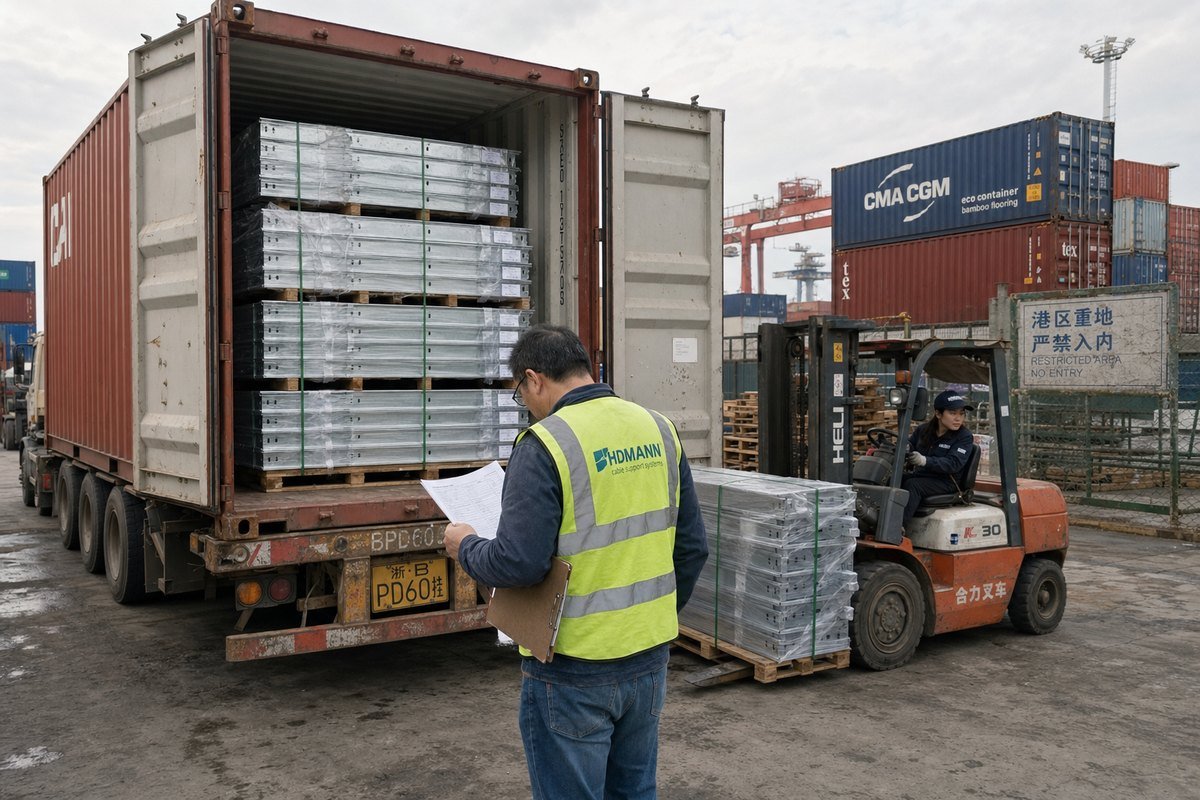
Delivery delays are the pain point I hear most from project directors. A solar EPC schedule has penalty clauses. A late container can stall an entire installation crew. So treat logistics as part of the specification, not an afterthought.
Where Delays Actually Happen
| Delay Source | Typical Impact | Prevention |
|---|---|---|
| Galvanizing plant queue | 1–2 weeks | Confirm galvanizing slot at order placement |
| Custom fittings and bends | 1–3 weeks | Release custom drawings for production first |
| Vessel booking in peak season | 1–2 weeks | Book freight 2–3 weeks ahead of readiness |
| Port congestion (Manila/Cebu) | Variable | Build buffer into site schedule; track daily |
| Customs documentation errors | 3–10 days | Pre-check HS codes and packing lists |
| White rust from humid storage | Rework or rejection | Ventilated packing, avoid tight stacking, keep dry |
Sequence the Order Like a Project
I encourage buyers to phase deliveries. Ship straight sections and supports first, because installation crews start with main runs. Bends, covers, and accessories follow in the second batch. This spreads risk and matches how crews actually work. It also shortens the cash cycle on large projects.
Protect the Coating in Transit
White rust is zinc’s early-life weakness. Fresh galvanized surfaces trapped against each other in humid conditions form white zinc carbonate 7 deposits. It is mostly cosmetic when caught early, but it alarms site inspectors and can trigger disputes. We insert spacers between stacked trays, keep packing ventilated, and advise clients to store trays off the ground under cover at the port and on site. Small habits like these preserve the service life you paid for and keep your cable management system inspection-ready on day one.
Conclusion
Choosing hot-dip galvanized cable trays for Philippine solar projects comes down to four disciplines: correct coating specification, documented quality verification, site-driven customization, and proactive logistics planning.
Skip any one of them and the tropical climate will find the gap. Get all four right, and your cable management system quietly protects the plant for decades. I have watched both outcomes from our factory floor in Tai’an, and the difference always traces back to decisions made before the purchase order was signed. If you are specifying trays for a Philippine solar site now, start with the environment, demand the paperwork, and plan the shipment as carefully as the product. Your future maintenance budget will thank you.
Footnotes
- General overview of cable tray systems and their materials. ↩︎
- Industry standard for metal cable tray systems and load ratings. ↩︎
- Official standard for zinc coatings on iron and steel products. ↩︎
- International standard for cable management and cable tray systems. ↩︎
- Detailed explanation of the hot-dip galvanizing process and coating characteristics. ↩︎
- Official Philippine government source for seismic and fault line information. ↩︎
- Technical explanation of the chemical compound formed during white rust formation. ↩︎