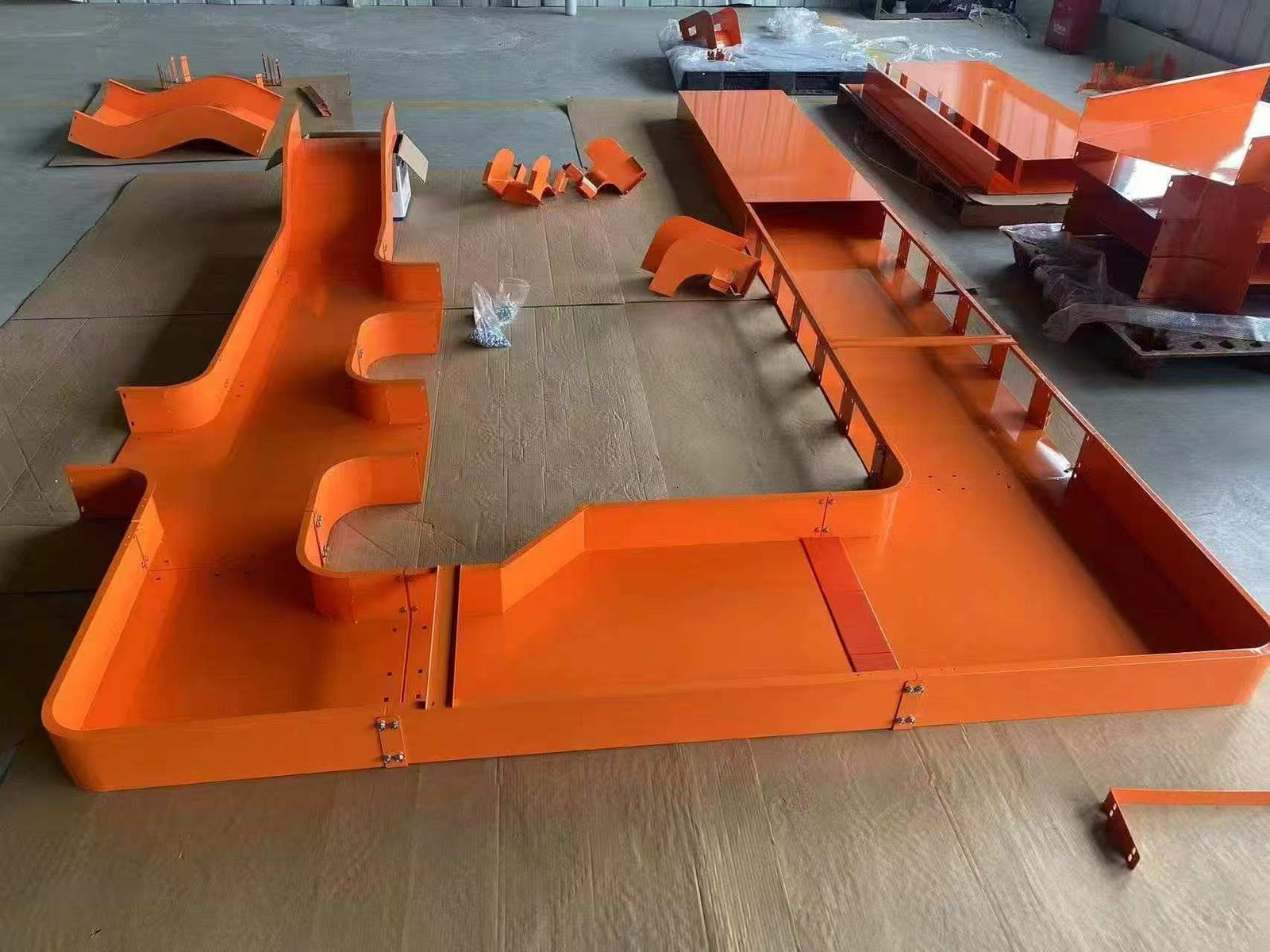
Rusty trunking ruins projects. I have watched bare steel runs stain ceilings within a year. That is why our Tai’an factory builds galvanized powder coated cable trunking with dual protection.
Galvanized powder coated cable trunking is a fully enclosed steel cable management enclosure. The steel is first galvanized with a zinc layer for corrosion resistance, then finished with an electrostatically applied, heat-cured powder coating that adds a second protective barrier, color options, and a durable surface.
The name tells you exactly how it is made. Two processes, stacked in order. First zinc, then powder. In this article, I will explain how that combination works, what you can customize, how to control quality, and where this product fits best.
How does galvanized powder coating actually protect my cable trunking from corrosion?
Years ago, we learned a hard lesson: a coating is only as good as what sits under it. One poorly pretreated batch taught our line to respect layer order.
The zinc layer bonds to the steel and corrodes sacrificially, protecting the metal even at small scratches. The cured powder coat seals the zinc from moisture, salt, and abrasion. Together, these two layers form a dual-protection system that outlasts either finish used alone.
In our workshop, we call this the double-shield approach. It is not marketing language. It describes two different protection mechanisms working at the same time. Let me break each one down.
The Zinc Layer: Sacrificial Protection
The base material is usually pre-galvanized sheet metal. The steel coil arrives already coated with zinc. Zinc is more reactive than steel, so when moisture attacks, the zinc corrodes first and the steel underneath stays intact. Even at a cut edge or a small scratch, the zinc sacrifices itself to protect the exposed steel nearby. For harsher outdoor conditions, we can fabricate the trunking body first and then use hot-dip galvanized steel, which carries a thicker zinc layer.
The Powder Layer: A Sealed Physical Barrier
Powder coating is a dry electrostatic process. Our spray guns charge the powder particles 1, so they wrap evenly around the zinc surface, including edges and corners. The trunking then passes through a curing oven, where heat melts the powder into one dense, continuous film. This film blocks water, salt, and dust from ever reaching the zinc.
| Layer | How It Is Applied | What It Does | Weakness If Used Alone |
|---|---|---|---|
| Zinc (galvanizing) | Pre-galvanized coil or hot-dip immersion | Sacrificial corrosion resistance at the metal level | Dull finish; zinc slowly consumed in wet or salty air |
| Powder coat | Electrostatic spray, then high-temperature curing | Physical barrier, color, texture, extra durability | A scratch exposes bare steel with no backup protection |
One honest caveat. The powder coat is not a replacement for galvanizing. If a buyer asks me for powder coating over plain black steel to save cost, I push back. Once that film chips, rust starts immediately. Real longevity depends on the full system: proper pretreatment, adequate film thickness 2, and good edge coverage. That is why the zinc must always come first.
What customization options can I request when ordering galvanized powder coated cable trunking?
A project director in Singapore once messaged me on WhatsApp with a simple question: can the trunking match his building’s ceiling color? That order shaped our customization checklist.
You can customize dimensions, steel thickness, base material, RAL colors, cover styles, perforation patterns, fittings, and lengths. Special options include antimicrobial powder coatings, high-reflectivity finishes, upgraded IP-rated sealing, and matching bends, tees, and reducers made to your project drawings.
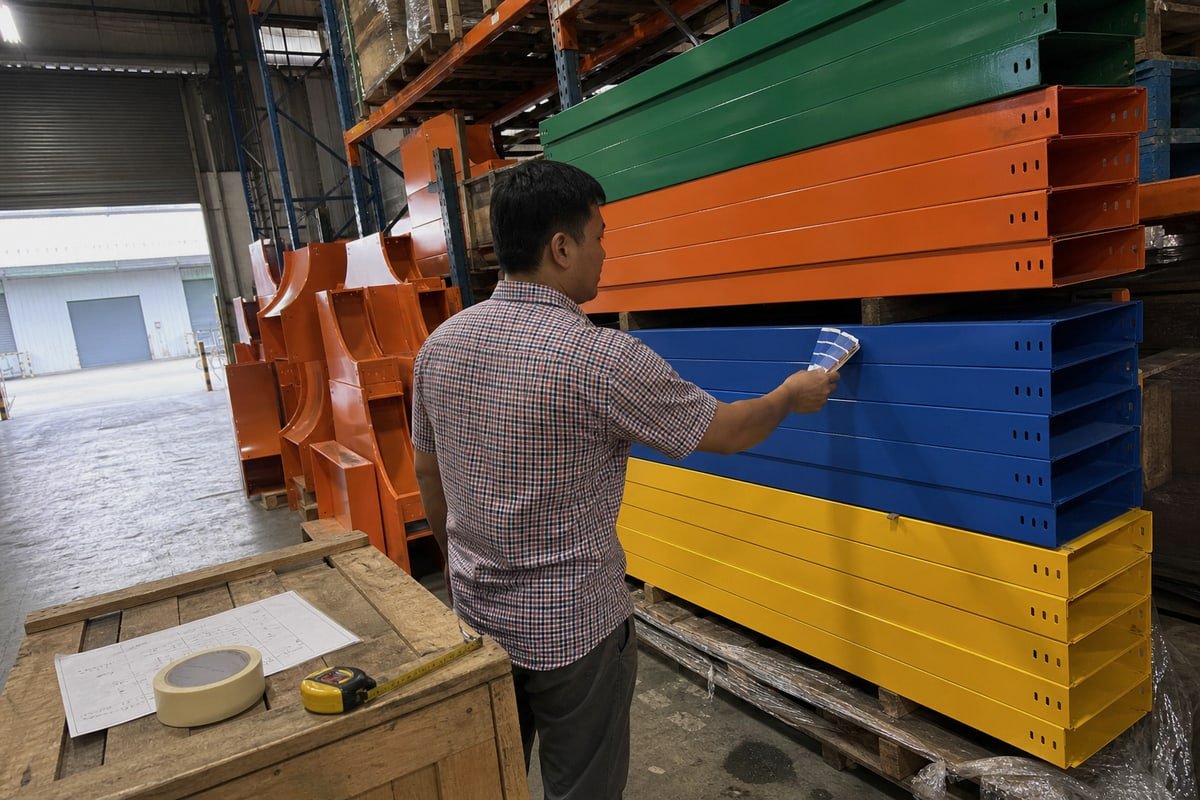
Because we run OEM and ODM projects for EPC contractors and wholesalers, almost nothing on our line is fixed. Our warehouse right now holds bundles in glossy green, vivid orange, bright blue, and yellow. Each color belongs to a different client’s specification. Here is what you can actually request.
| Customization Area | Typical Options | Why It Matters |
|---|---|---|
| Dimensions | Width, height, and length cut to drawings | Matches cable fill and routing plans |
| Steel thickness | Light to heavy gauge | Sets load-bearing capacity for long spans |
| Base material | Pre-galvanized or hot-dip galvanized steel | Balances cost against exposure level |
| Color | Any shade from the RAL color chart | Blends into interiors or color-codes services |
| Covers | Clip-on or screw-fixed removable covers | Speeds installation and future maintenance access |
| Sidewalls | Solid or perforated with slotted patterns | Adds ventilation or full enclosure |
| Sealing | Gasketed joints for higher IP rating needs | Blocks dust and moisture ingress |
| Fittings | Elbows, tees, risers, reducers, joint covers | Delivers a complete cable management system, not loose parts |
Matching Colors and Functions
Color is not only cosmetic. Many of our clients color-code their electrical containment: one color for power, another for data, another for control circuits. For offices with exposed ceilings, we also supply surface mounted raceway profiles in high-reflectivity finishes. A brighter finish raises the Light Reflective Value 3 overhead, which can reduce indoor lighting energy use. For pharmaceutical and clinical projects, we can integrate antimicrobial powder coatings that suppress pathogen growth on the trunking surface. Send me your drawings first. Customization works best when it starts before production, not after.
How do I make sure the quality control meets my project specifications before shipment?
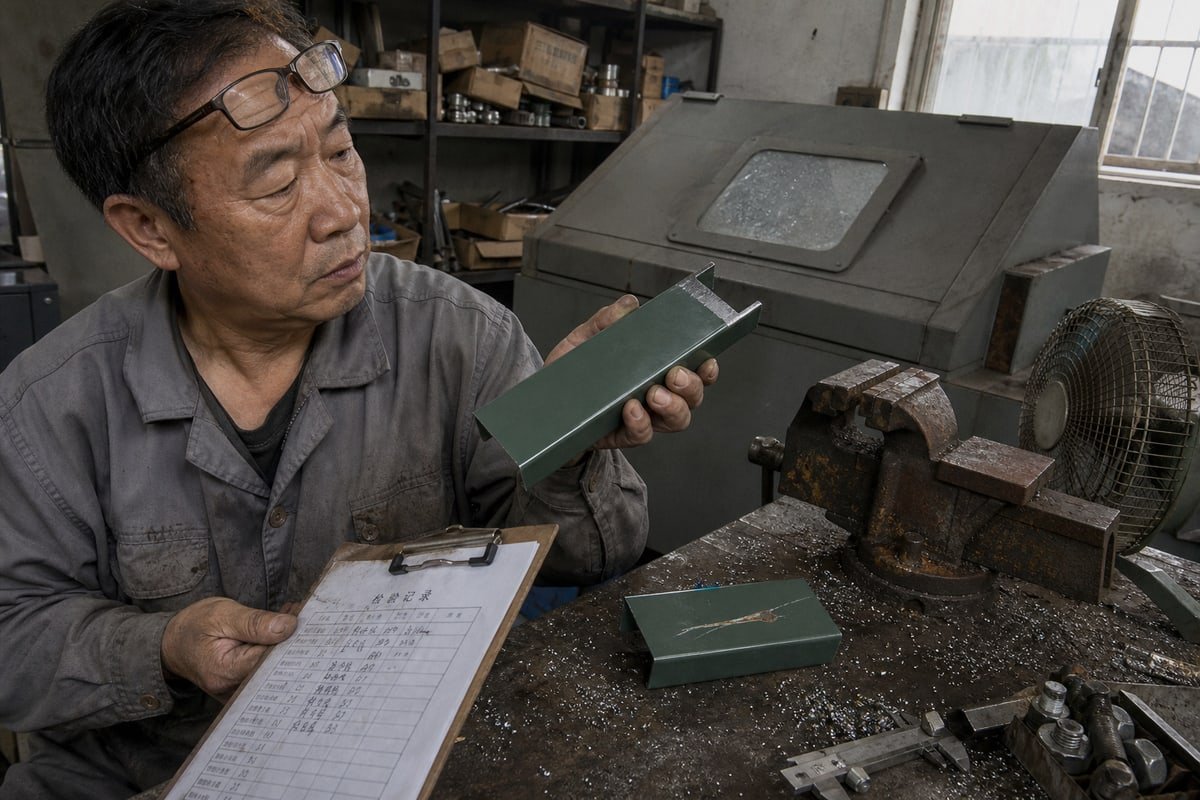
Every batch that leaves our Tai’an workshop passes under a coating thickness gauge. I still check random covers myself, because one thin spot can undo an entire shipment’s reputation.
Lock specifications in writing before production, then require staged quality control: raw material certificates, first-article approval, in-process coating thickness and adhesion checks, dimensional verification against drawings, and a documented pre-shipment inspection with photos, test reports, and packing review before containers are loaded.
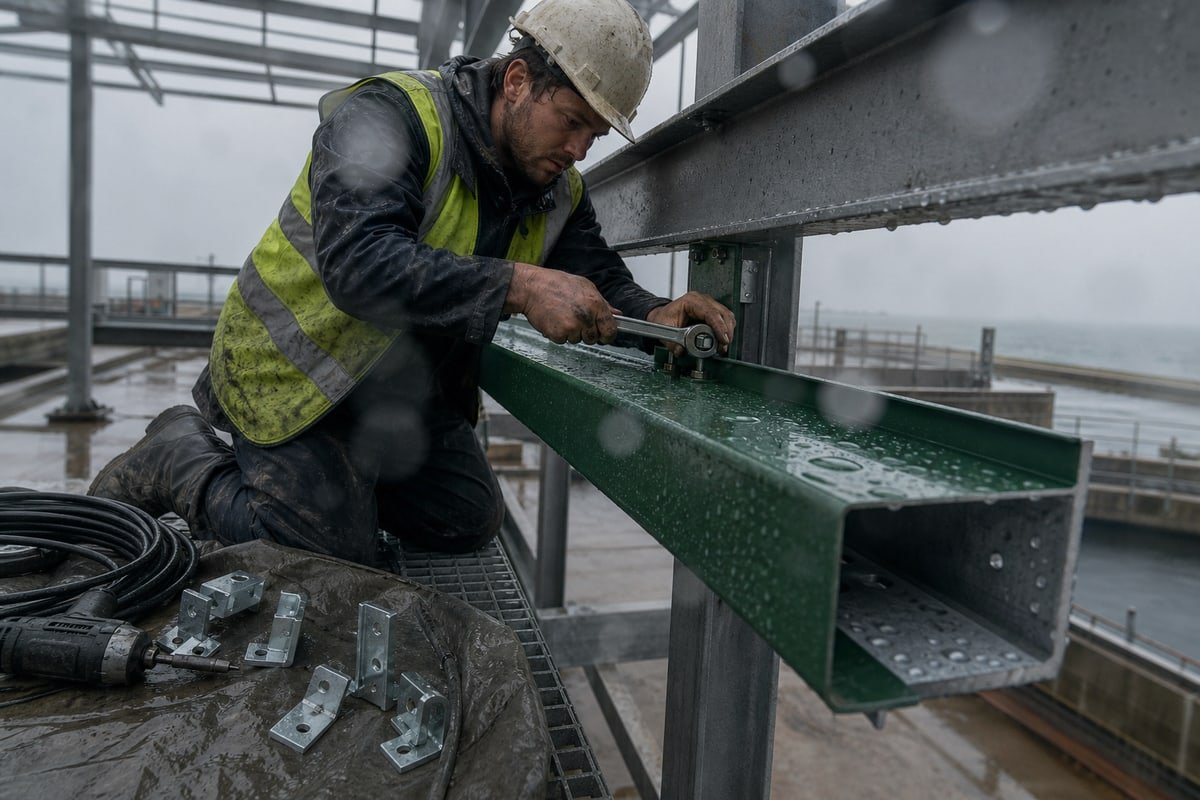
Most quality disputes I have seen in this trade come from one root cause: the specification was never written down clearly. So my advice starts before the first sheet is cut. Here is the staged process we run for export orders.
- Specification lock. We confirm steel grade, zinc type, dimensions, tolerances, RAL color, coating thickness range, and load-bearing capacity requirements in a signed technical sheet.
- First-article approval. We produce one sample section, photograph it, measure it, and send the report. Some clients ask for the physical sample by courier. Production only starts after approval.
- In-process checks. During coating, we monitor film thickness with a magnetic gauge and run cross-hatch adhesion tests on sample panels. Poor adhesion means poor pretreatment, and we catch it here, not at your site.
- Pre-shipment inspection. Before packing, we verify dimensions against drawings, check color consistency, inspect cover fit, and test that slotted sidewalls and bolt holes align across sections.
- Packing and loading review. Trunking travels far. We strap bundles, wrap them, and separate colors so glossy finishes arrive without scratches.
| QC Stage | What Gets Checked | What You Receive |
|---|---|---|
| Material intake | Zinc coating certificates, steel gauge | Mill and coating certificates |
| First article | Full dimensional and visual review | Sample report with photos |
| In-process | Film thickness, adhesion, color | Test records on request |
| Pre-shipment | Dimensions, fit, finish, quantity | Inspection report with photos |
| Loading | Packing integrity, container condition | Loading photos and packing list |
We also welcome third-party inspectors. If your project requires salt spray test references for the coating system, tell us at the specification stage so the right documentation follows your order. Clear checkpoints protect both sides and prevent the returns nobody wants.
Which industries and environments benefit most from choosing galvanized powder coated cable trunking for my projects?
Buyers often ask me whether they should pay for stainless steel. My honest answer weighs exposure, budget, and appearance, and galvanized powder coated cable trunking usually wins the middle ground.
Commercial buildings, solar farms, water treatment plants, data-heavy facilities, and pharmaceutical or clinical sites benefit most. Galvanized powder coated cable trunking suits moisture-prone, visible, or hygiene-sensitive environments where buyers need strong corrosion resistance and a clean finish at a lower cost than stainless steel.
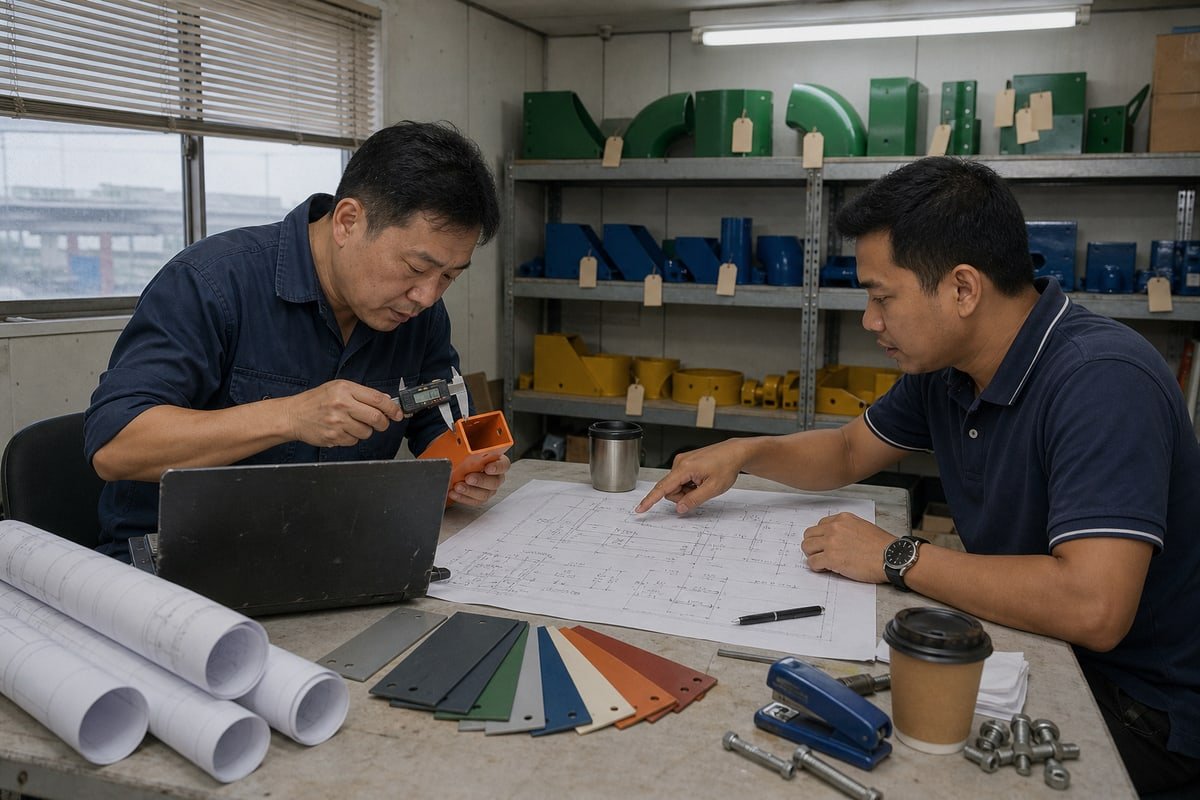
Our export orders to Singapore, the Philippines, Thailand, and South America show a clear pattern. Different environments buy this product for different reasons. This table sums up what I see across real projects.
| Environment | Why It Fits | Key Benefit |
|---|---|---|
| Commercial interiors, exposed ceilings | Trunking stays visible to occupants | RAL color matching and higher light reflectivity |
| Solar energy plants | Outdoor humidity and UV exposure | Dual-layer corrosion resistance at mid-range cost |
| Water treatment facilities | Constant moisture and splash zones | Sealed powder film over sacrificial zinc |
| Industrial plants with heavy machinery | Vibration and physical impact | Thick polymer layer dampens acoustic noise transfer |
| Data, communication, control rooms | Sensitive cables need enclosure | Enclosed electrical containment with shielding and reduced dust ingress |
| Pharmaceutical and clinical sites | Hygiene requirements | Antimicrobial powder coating options |
Where It Sits Among the Alternatives
Compared with PVC, this steel industrial wire ducting offers far better strength and fire behavior. The system is classified as non-flame propagating, so it does not feed fire spread along a cable route. Compared with plain galvanized trunking 4, the powder layer adds a decorative top coat plus an extra dielectric barrier, which improves surface insulation safety over bare metal. Compared with stainless steel, it costs meaningfully less while covering most commercial and industrial needs.
I will be direct about the limits, too. In severe coastal splash zones or aggressive chemical plants, a heavy hot-dip galvanized system or stainless steel may still be the correct specification. Choose by environment, not by habit. Tell your supplier the exposure conditions, and let the finish follow the site.
Conclusion
Unprotected steel fails fast. Galvanized powder coated cable trunking pairs zinc and powder into one dual-defense system. Tell me your project’s environment, and I will help you specify it right.
Footnotes
- The Powder Coating Institute is the primary authority on electrostatic powder application and curing processes. ↩︎
- ASTM International provides the global standards for measuring organic coating thickness and adhesion on metal substrates. ↩︎
- The IEC sets international standards for electrical infrastructure and lighting efficiency metrics in commercial buildings. ↩︎
- ISO standards govern the technical specifications and corrosion protection requirements for metallic coatings on steel. ↩︎