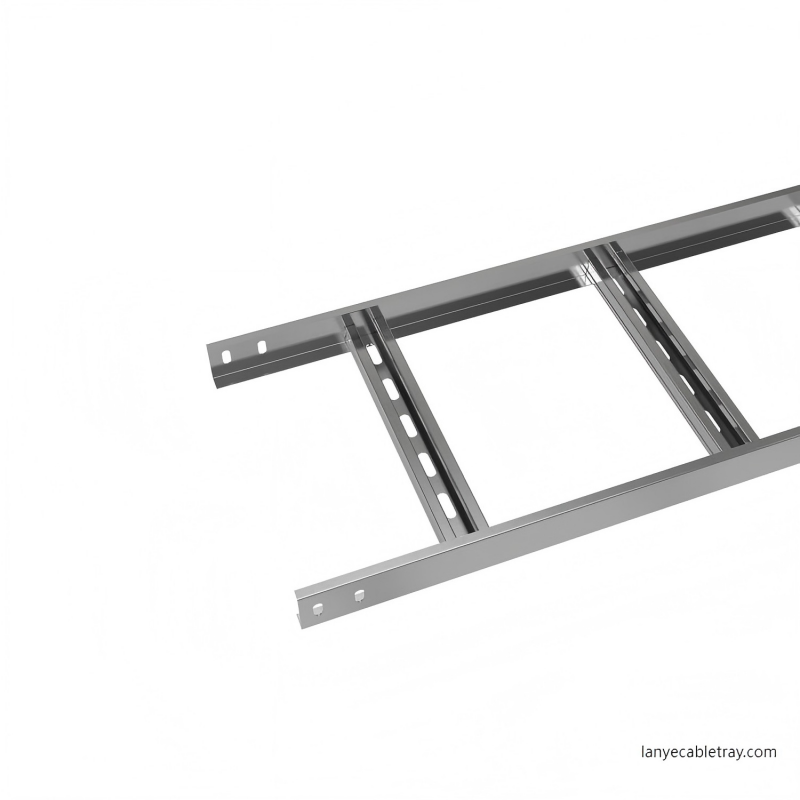
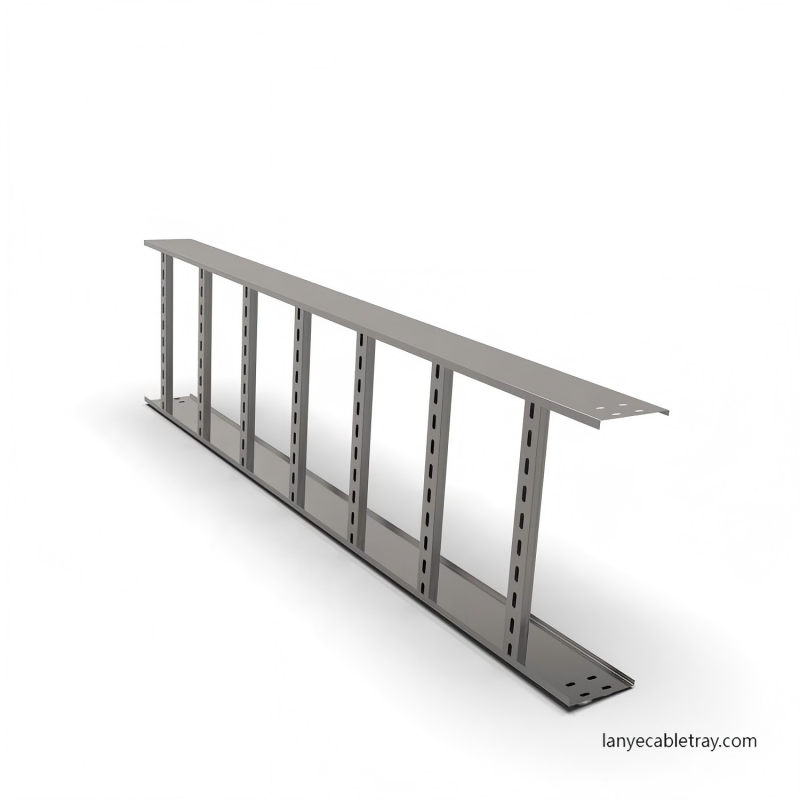

A GI Cable Ladder (Galvanized Iron Cable Ladder) is one of the most widely used cable support systems across industrial, commercial, and infrastructure projects worldwide. For EPC contractors, MEP installers, and electrical wholesalers seeking cost-effective, durable, corrosion-resistant cable management solutions, GI cable ladders offer the perfect balance of mechanical strength and affordability.
As electrical networks expand in data centers, power stations, factories, and high-rise buildings, GI cable ladders provide a safe and efficient pathway for heavy cable bundles, high-voltage power lines, control cables, and communication cables. Their perforated or non-perforated rungs deliver superior ventilation while ensuring total load-bearing reliability.
This page provides a complete guide to What is a GI cable ladder, Technical Specs, Advantages, Applications, and a full FAQ section to help international buyers and project engineers make confident purchasing decisions.
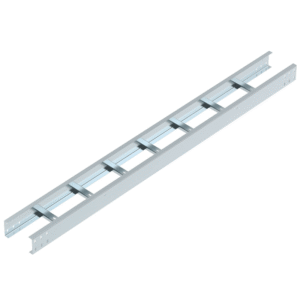
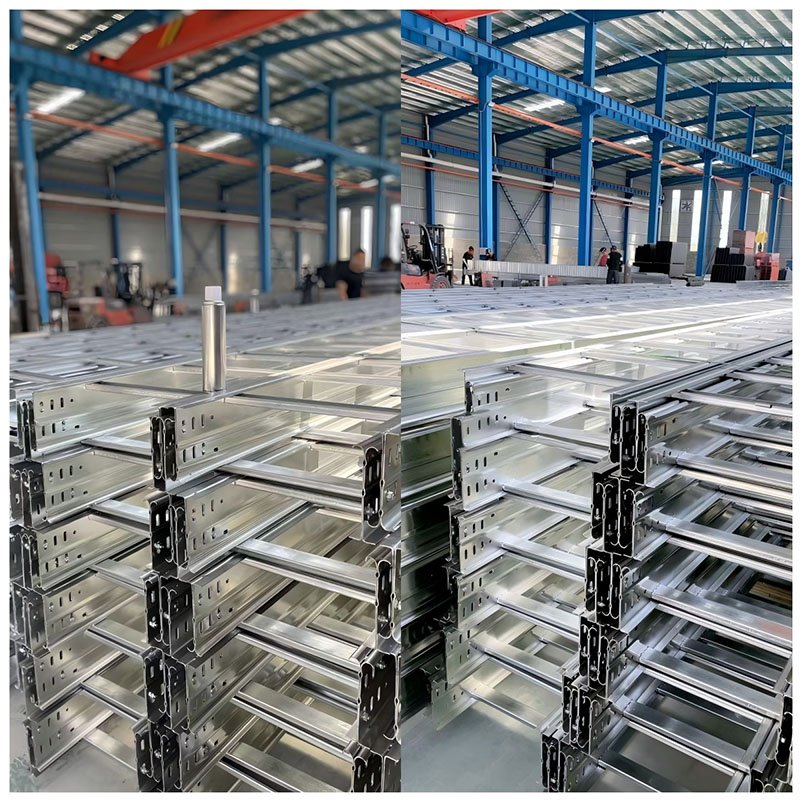
A GI Cable Ladder is a strong and reliable cable support system made from pre-galvanized steel. It is used in many electrical and industrial projects. The term GI means “Galvanized Iron,” which refers to steel that has been coated with a thin layer of zinc. This zinc layer protects the ladder from rust and keeps it durable for many years.
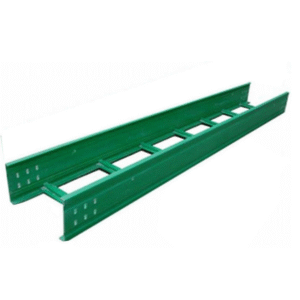
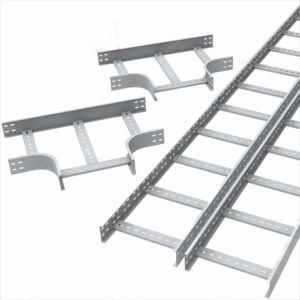
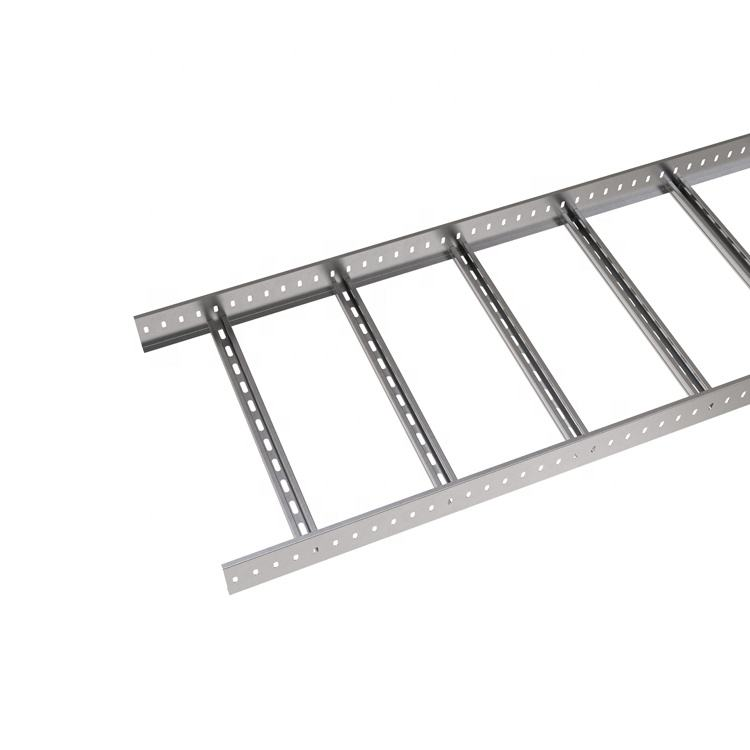
A GI cable ladder is made of two long side rails and many cross rungs. The side rails run the full length of the ladder. The rungs connect the two rails and hold the cables in place. This design allows the ladder to support heavy cables without bending or breaking. The open ladder structure also allows good airflow around the cables. This helps reduce cable heat, which improves safety and performance.
GI cable ladders are normally used in indoor and semi-outdoor areas. They are popular in commercial buildings, factories, data centers, and electrical rooms. The GI coating provides basic corrosion protection. It is not as strong as hot-dip galvanizing, but it is enough for most indoor environments. Because of this, GI cable ladders are a very cost-effective option for many contractors and MEP companies.
The surface of the GI steel is smooth and clean. This makes installation easy and fast. Workers can cut, drill, and connect the ladder sections without any difficulty. The zinc coating is uniform, so the edges look neat. This is helpful for projects that need a clean and tidy appearance, such as malls, offices, and public buildings.
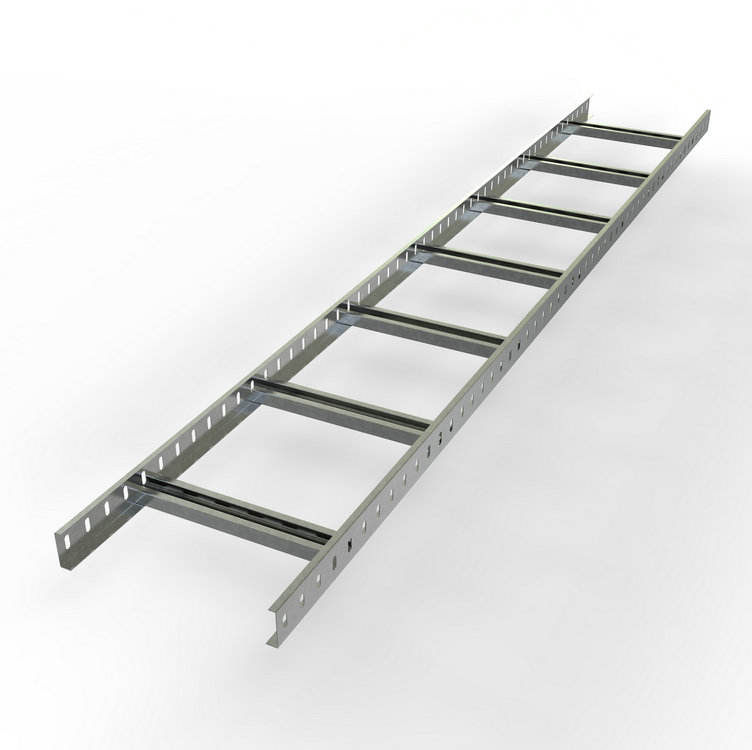
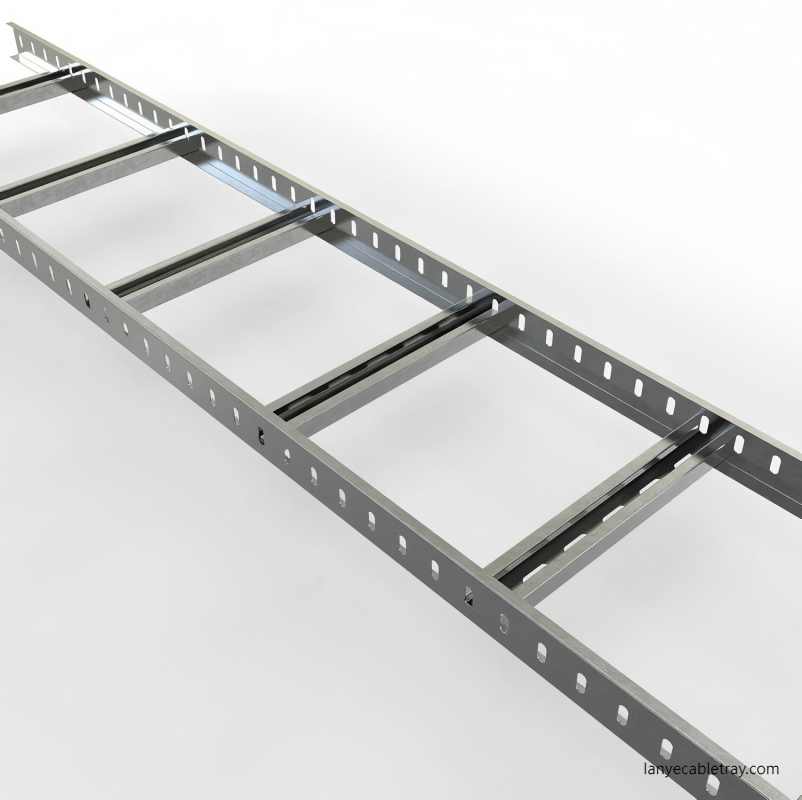
Below is standard GI cable ladder technical information used in engineering drawings, RFQs, and tenders.
| Parameter | Specification |
|---|---|
| Product Name | Pre-Galvanized Cable Ladder |
| Material | Pre-Galvanized Steel (GI) |
| Surface Finish | Factory Zinc Coated (Pre-Galvanized) |
| Zinc Coating Thickness | 8–20 μm |
| Side Rail Height | 50 mm – 200 mm |
| Width | 50 mm – 1000 mm |
| Length | 2000 mm /2440mm/ 2500 mm / 3000 mm |
| Thickness | 0.8 mm – 3.0 mm |
| Rung Spacing | 200 mm / 250 mm / 300 mm/330mm |
| Load Capacity | Medium Duty |
| Installation Type | Wall Mounted / Ceiling Suspended |
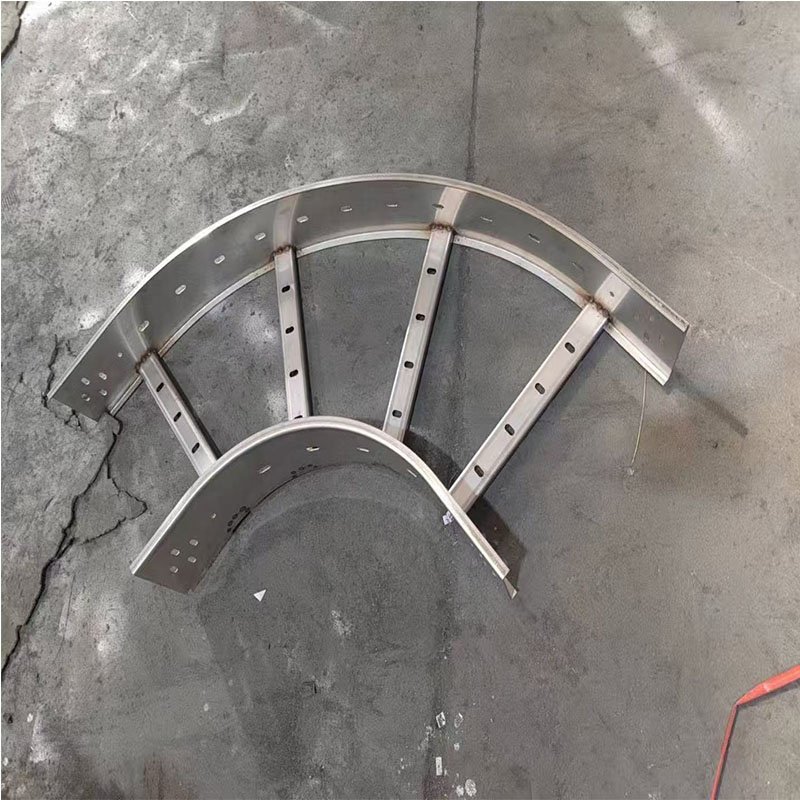
| Accessories | Covers, bends, tees, reducers, connectors |
| Application | Indoor Electrical Installations, Commercial Buildings, Data Centers |
| Standard | IEC 61537 / NEMA VE-1 |
GI Cable Ladders are selected by contractors worldwide due to their combination of strength, affordability, and quick installation. Below are detailed benefits highly valued by engineers and procurement teams.
3.1 Cost-Effective Cable Support Solution
Compared with HDG or Stainless Steel, GI is significantly more economical while still maintaining reliable corrosion resistance for indoor environments. This cost advantage is especially appealing for:
For large-scale projects, GI cable ladders can reduce material cost by 20–35% without sacrificing quality.
3.2 Quick Production & Fast Delivery
GI steel sheets require no secondary hot-dip galvanizing, allowing much faster production cycles. This enables:
3.3 Excellent Ventilation & Heat Dissipation
The ladder structure allows maximum airflow around cables, reducing:
This is especially important for power cables, UPS systems, data cables, and high-current installations.
3.4 Strong Mechanical Performance
Because GI cable ladders use full-length steel side rails and welded/bolted rungs, they have excellent:
This ensures reliable performance for heavy cable bundles.
3.5 Easy Installation & Modification
GI cable ladders are designed for:
This saves labor hours and reduces installation downtime.
3.6 Customizable Design
Everything can be customized:
This ensures full compliance with project drawings and consultant approvals.
3.7 Clean & Professional Appearance
The smooth GI finish offers a clean, modern look suitable for:
GI ladders maintain an attractive appearance even after years of use.
GI cable ladders are widely used across commercial, industrial, and infrastructure environments where moderate corrosion resistance and strong cable support are required.
Below are the primary applications:
A. Commercial & Public Buildings
Used for distributing power cables, telecom cables, and control systems.
B. Data Centers & IT Rooms
GI ladders manage:
Their ventilation design reduces cable heat and protects data integrity.
C. Industrial Manufacturing
GI ladders handle heavy cable loads efficiently.
D. Warehouses & Logistics Centers
Used for cable routing across long spans and high ceilings.
E. Residential Complexes & High-Rise Buildings
GI cable ladders distribute:
F. Indoor Utility Areas
Perfect for environments where humidity is present but corrosion level is moderate.
1. What is the difference between GI and HDG cable ladder?
GI is pre-galvanized; HDG is hot-dip galvanized.
GI = lower cost, for indoor use.
HDG = heavy corrosion protection, for outdoor use.
2. What length do you supply?
Standard: 2.4 m or 3.0 m
Custom lengths available.
3. Can you customize the width and height?
Yes. From 50 mm to 1000 mm wide; height from 50–150 mm.
4. What thickness options do you offer?
0.8–3.0 mm standard.
5. Do you provide load test reports?
Yes. Mechanical load testing is available.
6. Are accessories included?
Splice plates and bolts are included. Elbows, tees, reducers, and more can be added.
7. Do you support OEM branding?
Yes. Custom logo punching is available.
8. What is the typical delivery time?
7–20 days depending on quantity.
9. Do you export worldwide?
Yes — especially to Southeast Asia, Middle East, and Africa.
10. How can I get a quotation fast?
Send: width, height, thickness, quantity, coating, accessories.