

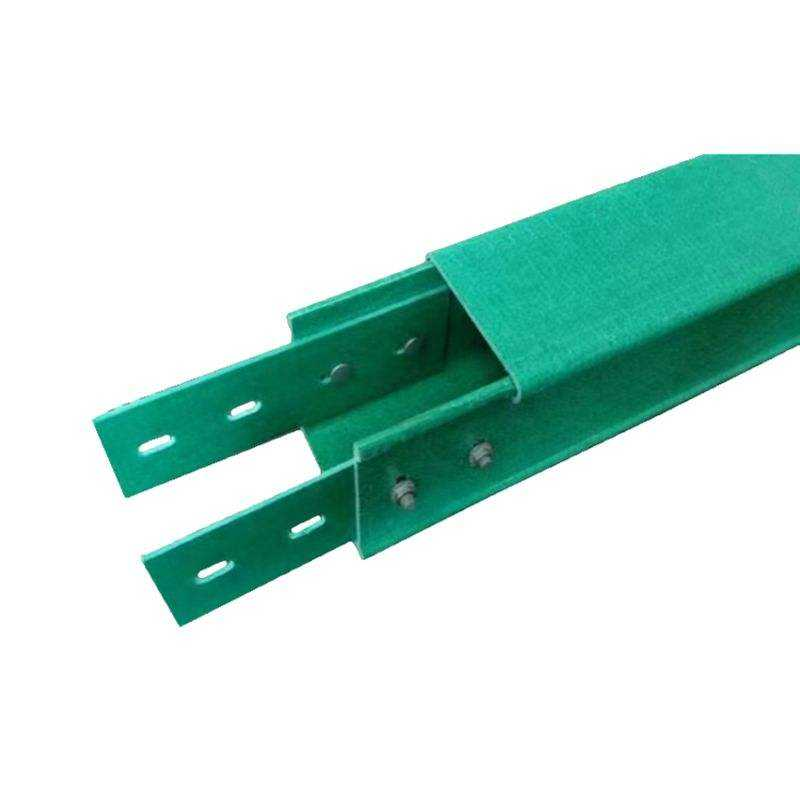
Non-metallic material eliminates corrosion in highly chemical environments.
Excellent electrical insulation ensures maximum safety for personnel.
High strength-to-weight ratio simplifies handling and heavy loading.
UV resistant properties guarantee long-lasting performance in sunlight.
In modern industrial and infrastructure projects, selecting the right cable management system is critical for long-term performance and safety. As environments become more aggressive—especially in chemical plants, coastal areas, and wastewater facilities—traditional steel cable ladders may suffer from corrosion, electrical conductivity risks, and high maintenance costs.
This is where FRP/GRP Cable Ladder becomes a preferred solution.
FRP (Fiber Reinforced Plastic), also known as GRP (Glass Reinforced Plastic), offers excellent corrosion resistance, high strength-to-weight ratio, and complete electrical insulation. Compared with steel cable ladders, FRP Cable Ladder systems deliver longer service life, lower maintenance costs, and superior performance in harsh environments.
For EPC contractors, engineers, and project buyers, choosing a GRP Cable Ladder ensures reliability, safety, and long-term cost savings.
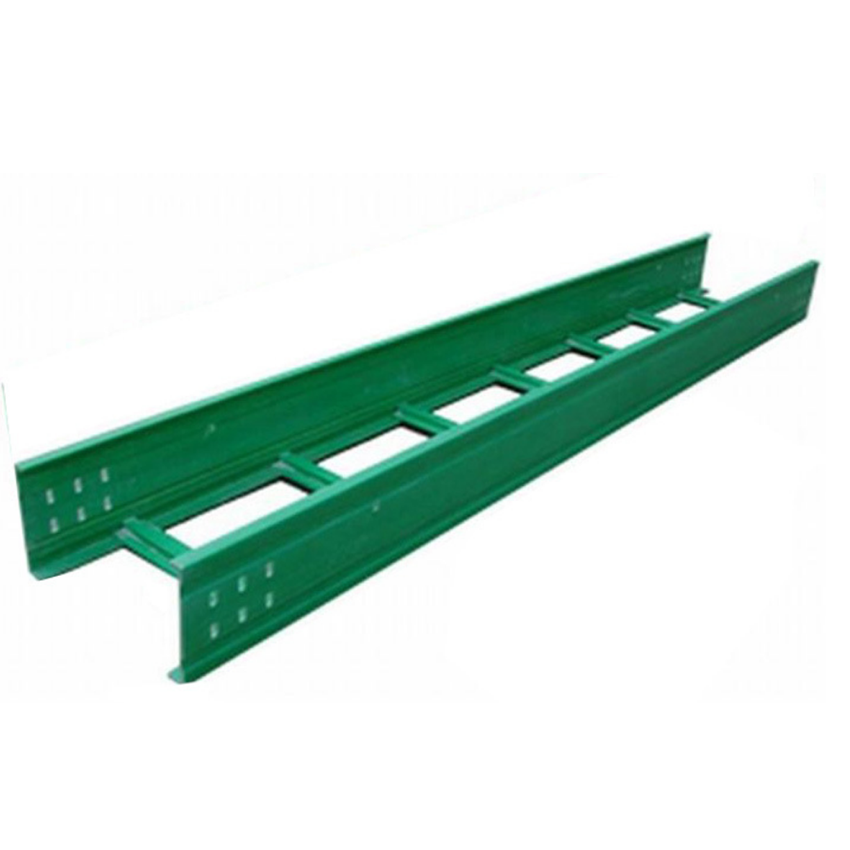
An FRP/GRP Cable Ladder is a structural cable support system manufactured from fiberglass-reinforced polymer materials. It is designed to support and route electrical, control, and communication cables in industrial, commercial, and infrastructure applications.
Unlike traditional steel cable ladders, which rely on metallic strength, a GRP Cable Ladder uses a composite structure made from resin and glass fiber. This combination provides excellent mechanical strength while maintaining lightweight properties.
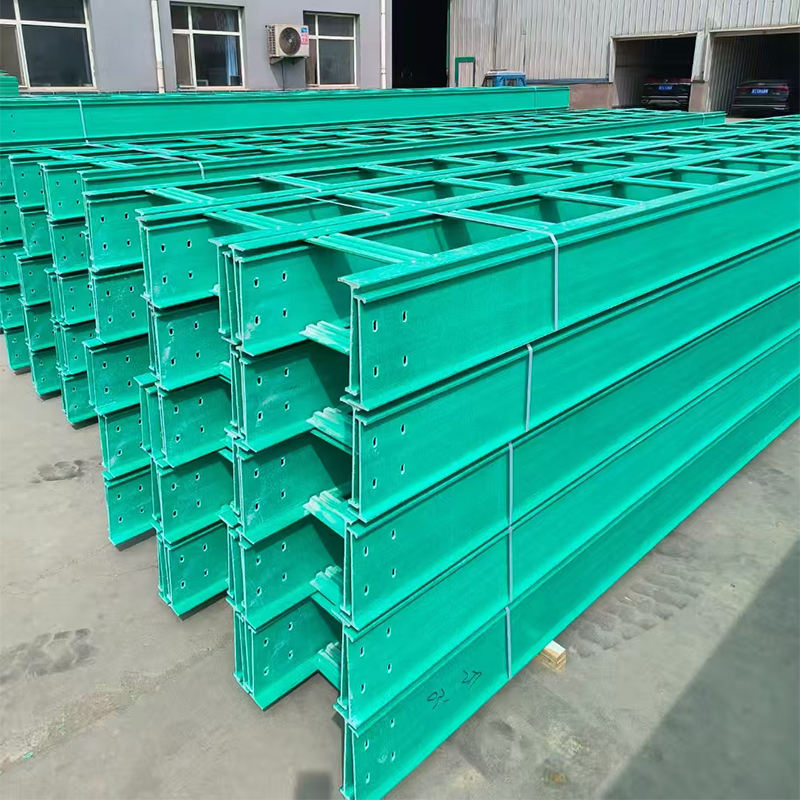
The GRP Cable ladder consists of:
One of the most important characteristics of FRP Cable Ladder is its non-metallic nature. This makes it:
Because of these properties, GRP Cable Ladder systems are widely used in environments where metal systems fail or require frequent maintenance.
| Parameter | Specification |
|---|---|
| Product Name | FRP / GRP Cable Ladder |
| Material | Fiberglass Reinforced Plastic (FRP/GRP) |
| Resin Type | Polyester / Vinyl Ester / Epoxy |
| Surface Finish | Smooth / UV Resistant Coating |
| Color | Green/Grey / Yellow / Custom Colors |
| Width | 100 mm – 800 mm |
| Side Rail Height | 50 mm – 200 mm |
| Length | 3000 mm/6000mm Standard /Custom Size |
| Rung Spacing | 200 mm / 250 mm / 300 mm |
| Load Capacity | Medium to Heavy Duty |
| Fire Performance | Flame Retardant (Optional) |
| UV Resistance | Excellent (Suitable for Outdoor Use) |
| Electrical Conductivity | Non-Conductive |
| Installation Type | Wall / Ceiling / Floor Mounted |
| Accessories | Bends, tees, reducers, covers, connectors |
| Application | Chemical Plants, Marine, Offshore, Wastewater, Power Plants |
| Standard | IEC 61537 / NEMA VE-1 |

3.1 Excellent Corrosion Resistance
One of the biggest advantages of FRP Cable Ladder is its outstanding resistance to corrosion. Unlike steel, it does not rust or degrade when exposed to chemicals, saltwater, or moisture.
3.2 Lightweight but High Strength
GRP Cable Ladder is significantly lighter than steel systems. This reduces:
3.3 Non-Conductive & Safe
FRP materials are electrically non-conductive. This improves safety in:
3.4 Long Service Life
FRP ladders typically last over 20–30 years, even in harsh environments.
3.5 Low Maintenance Cost
No painting. No anti-rust treatment. Minimal maintenance required.
3.6 Fire Retardant Options
Flame-retardant resin systems are available for fire-critical installations.
3.7 Easy Installation
FRP systems can be:
3.8 UV Resistance
Suitable for outdoor applications without degradation.
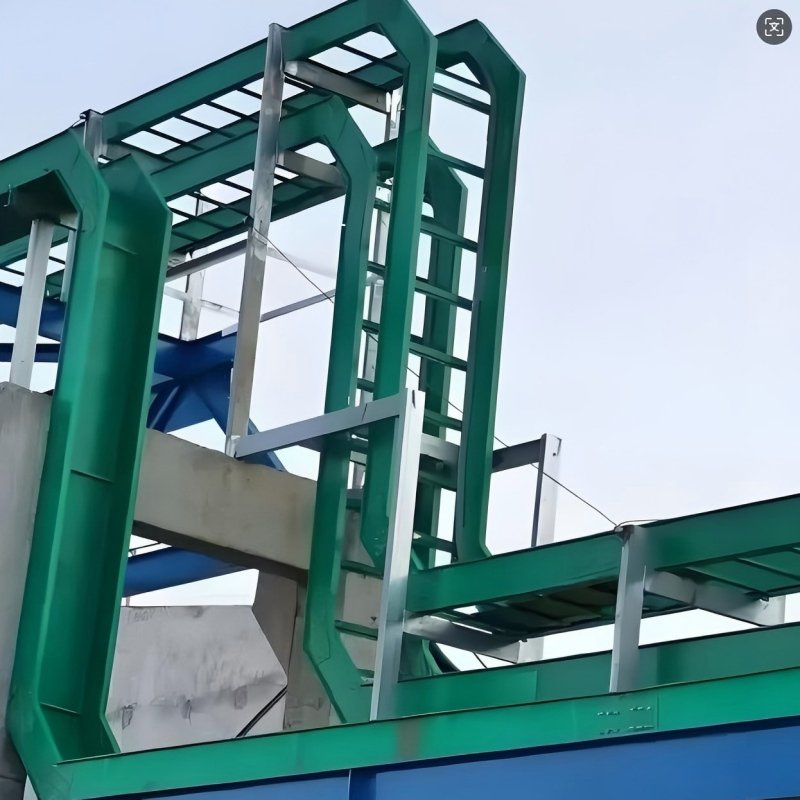
The FRP Cable Ladder is widely used in environments where corrosion resistance and safety are critical.
Common Applications:
In these environments, traditional metal cable ladders may fail quickly due to corrosion. GRP Cable Ladder systems provide long-term reliability and safety.

Q1: What is the difference between FRP and GRP?
FRP and GRP are essentially the same. GRP is a type of FRP using glass fiber.
Q2: Is FRP Cable Ladder suitable for outdoor use?
Yes, it has excellent UV and weather resistance.
Q3: Can FRP Cable Ladder replace steel ladder?
Yes, especially in corrosive environments.
Q4: Is it fire resistant?
Flame-retardant grades are available.
Q5: Can it be customized?
Yes, sizes, colors, and load capacity can be customized.