
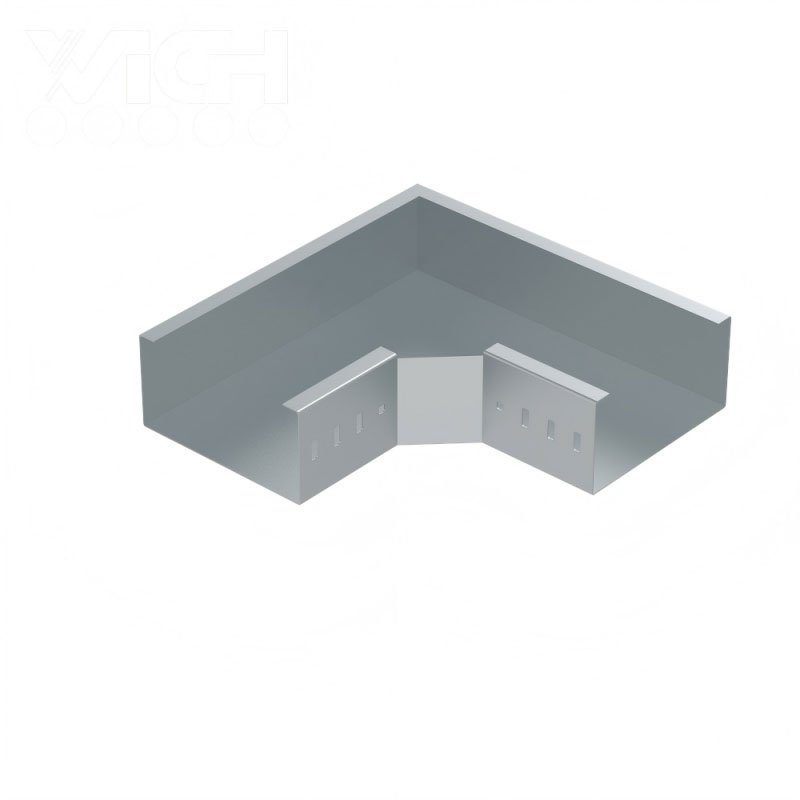
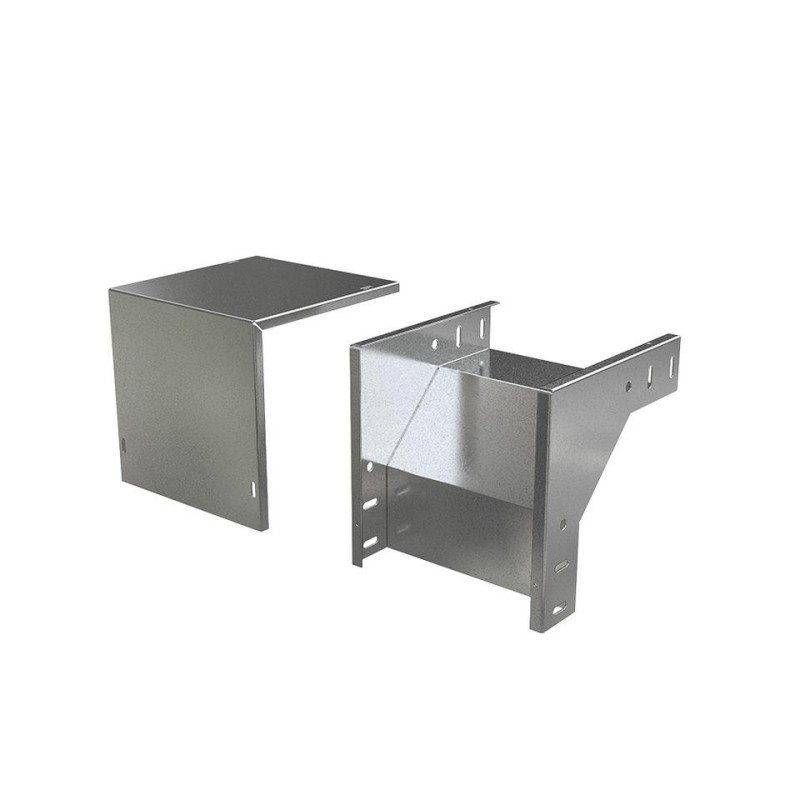
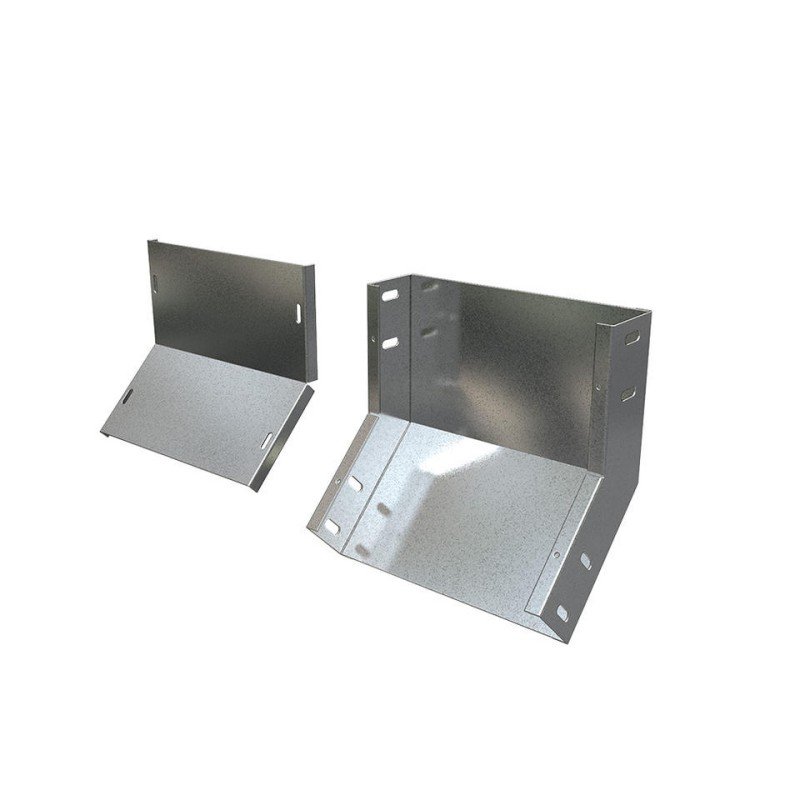
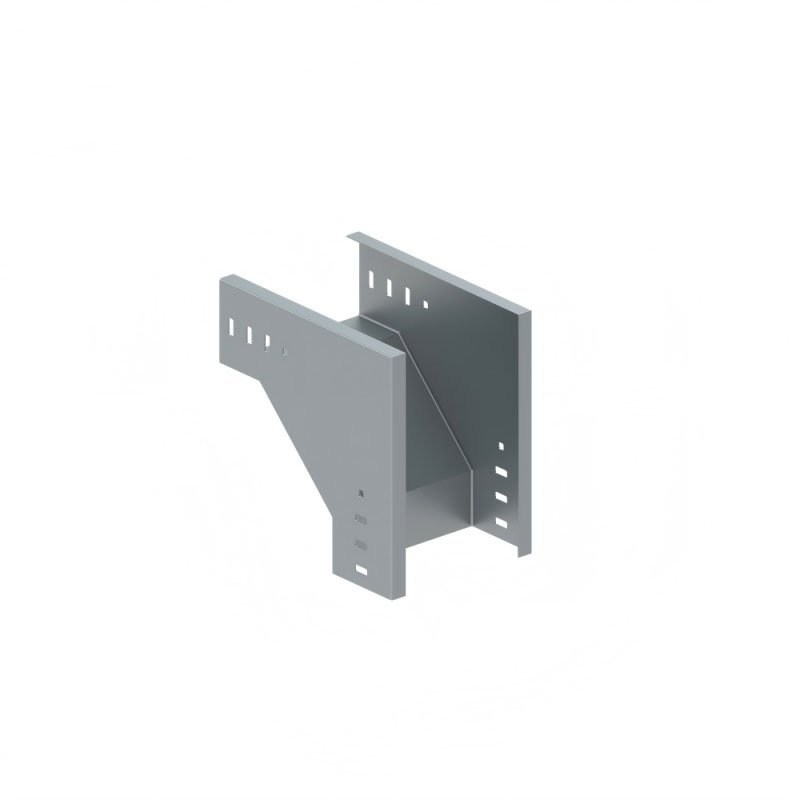
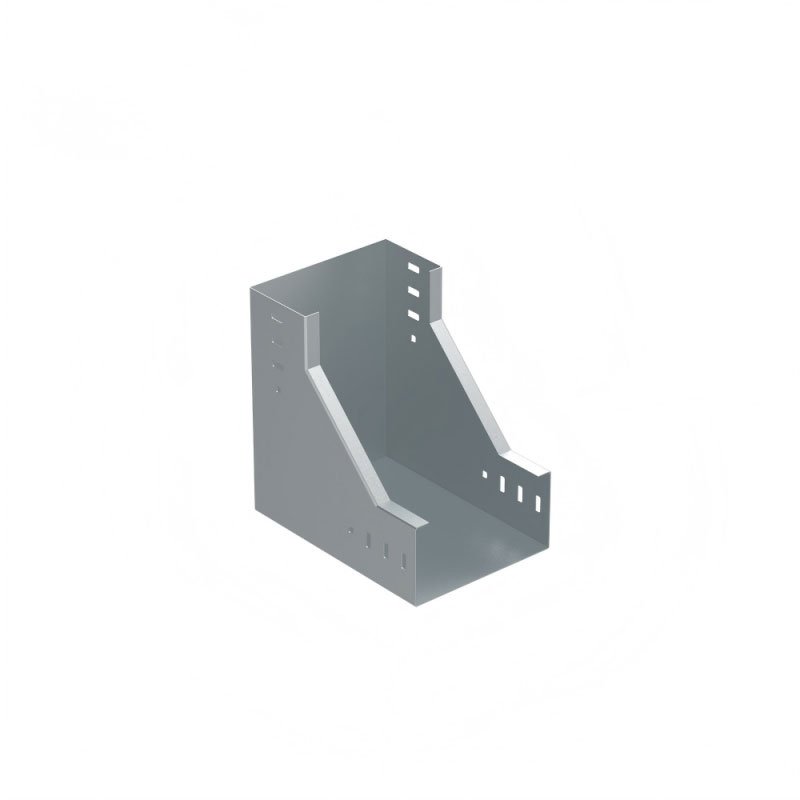
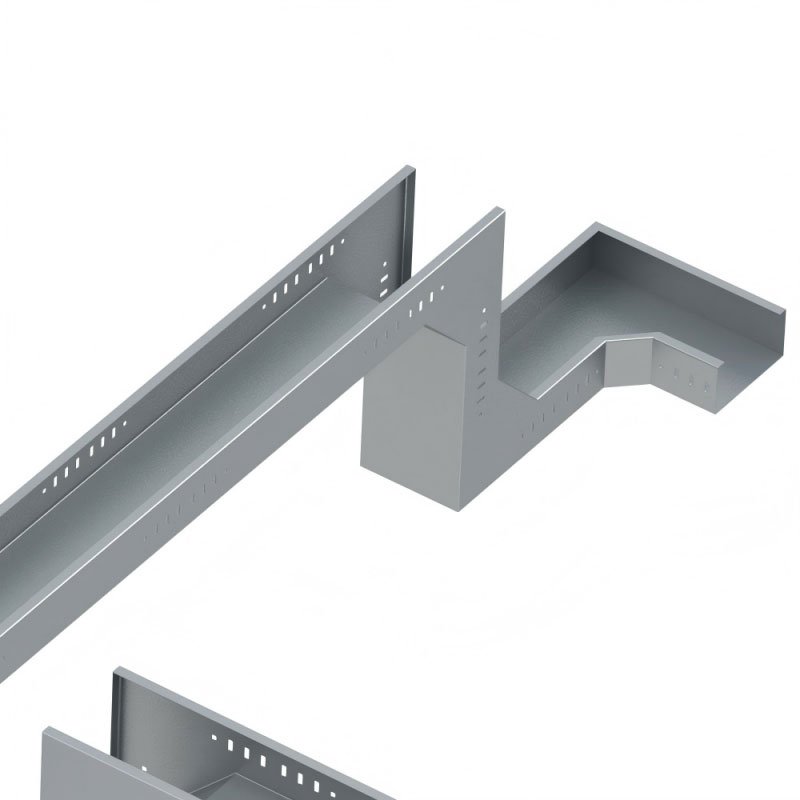
Cable Trunking Bend

Category
  1. Cable trunking bend for smooth direction changes in trunking systems, available in 45°, 90° and custom angles.

  2. Enables horizontal and vertical cable routing with secure connections, complete with cover and accessories.

  3. Durable and precision-formed, suitable for galvanized steel, and stainless steel trunking.

  4. Custom angles and radius options available – inner and outer bend types offered.

Cable trunking bend, also known as galvanized steel trunking elbow or GI trunking corner, is specially designed and engineered for changing direction of cable trunking systems whilst providing complete cable protection and easy access. As the reliable cable trunking manufacturer, Lanye brand custom cable trunking bend is available in various configurations, materials, sizes and forms to suit the location and requirements of the installation. Our cable trunking bends can be used in almost any places including homes, commercial and industrial construction, supermarkets, hotels, hospitals, power plants, underground construction and high rise buildings, etc.

1. What Is Cable Trunking Bend?


A cable trunking bend is a pre-fabricated fitting used to change the direction of a cable trunking run horizontally or vertically. Unlike cable tray bends which have open or perforated bottoms, cable trunking bends feature a fully enclosed solid body with a removable cover, providing complete protection for internal cables against dust, water ingress, and physical damage while allowing cables to turn corners safely without sharp edges.

Cable trunking bends are commonly fabricated using carbon steel grades Q195 or Q235. In the automated pre-galvanizing process, the carbon steel plates are immersed in a “galvanizing bath” containing molten zinc for a brief period. After being withdrawn from the bath, excess zinc is stripped away, leaving a relatively thin yet effective zinc coating on the steel surface. The cable trunking bend is then manufactured using pre-galvanized steel through standard procedures such as punching, bending, and welding, carried out by a flexible automatic production line.

Galvanized cable trunking bend exhibits excellent qualities including high strength, a robust design, durability, and resistance to rust. These characteristics make it an ideal choice for cable management, providing support and protection for internal cables against damage, dust, and water ingress. Cable trunking bend is the reliable cable management solution to ensure the longevity and proper functioning of cables, especially in applications where cable protection is a priority.

Main Functions of Cable Trunking Bend

Function Description
Direction ChangeChanges cable routing direction horizontally or vertically
Cable ProtectionFully enclosed design protects cables from dust and water
Smooth Cable FlowRadiused internal corners prevent cable damage
Easy AccessRemovable cover allows quick cable installation and maintenance
Space EfficiencyAllows trunking to follow building contours and obstacles

Cable Trunking Bend vs Cable Tray Bend – Key Differences

Feature Cable Trunking Bend Cable Tray Bend
Bottom SurfaceSolid (fully enclosed)Open / Perforated / Solid
Cable ProtectionComplete (dust, water, impact)Minimal to moderate
CoverRemovable cover includedOptional cover available
Typical ApplicationBuilding wiring, control panelsIndustrial cable runs
Aesthetic AppearanceClean, professionalIndustrial
Internal RadiusSmooth for cable protectionVaries

2. Lanye Custom Cable Trunking Bend Properties

Raw material: carbon steel Q235

Product type: trunking bend fitting

Surface treatment: pre-galvanized, hot-dip galvanized, stainless steel

Appearance: smooth and even zinc layer, clean edges

MOQ: 60 pieces (can be mixed sizes and angles)

OEM/ODM: acceptable and according to your specifications

Certification: CE, ISO, CCC certificates

Delivery: 15-20 days after deposit received

Payment terms: T/T, LC at sight acceptable

Application: building, construction, cable management, cable protection, electrical distribution, and more.

Cable trunking elbow connector
Cable trunking bend installation

3.Technical Data Of Custom Cable Trunking Bend

NoTypeW (mm)H (mm)Bend AngleBend Radius (mm)MaterialCover Type
1Lanye-CTB-1505090° Horizontal100Pre-galvanized SteelScrew-fixed
2Lanye-CTB-2757590° Horizontal150Pre-galvanized SteelScrew-fixed
3Lanye-CTB-31005090° Horizontal150Pre-galvanized SteelScrew-fixed
4Lanye-CTB-410010090° Horizontal200Pre-galvanized SteelScrew-fixed
5Lanye-CTB-515010090° Horizontal200Pre-galvanized SteelScrew-fixed
6Lanye-CTB-615015090° Horizontal250Pre-galvanized SteelScrew-fixed
7Lanye-CTB-720010090° Horizontal250Hot-dip Galvanized SteelScrew-fixed
8Lanye-CTB-820015090° Horizontal300Hot-dip Galvanized SteelScrew-fixed
9Lanye-CTB-920020090° Horizontal300Hot-dip Galvanized SteelScrew-fixed
10Lanye-CTB-1030020090° Horizontal400Stainless Steel 304Screw-fixed
11Lanye-CTB-1110010045° Horizontal200Pre-galvanized SteelScrew-fixed
12Lanye-CTB-1210010060° Horizontal200Pre-galvanized SteelScrew-fixed
13Lanye-CTB-1310010090° Vertical Inside200Pre-galvanized SteelScrew-fixed
14Lanye-CTB-1410010090° Vertical Outside200Pre-galvanized SteelScrew-fixed

Remark :
Custom angles (15°-180°) available.
Custom radii available.
Internal radius corners for smooth cable flow.
Cover included with all bends.
ODM/OEM Availability: Welcome to customize.

3.1 Standard Cable Trunking Bend Types

Bend Type Description Typical Use
Horizontal 90°90-degree turn in horizontal planeWall corners, column bypass
Horizontal 45°45-degree turn in horizontal planeAngled wall transitions
Horizontal 60°60-degree turn in horizontal planeCustom angles
Vertical Inside90-degree upward or downward turn insideFloor to wall transitions
Vertical Outside90-degree upward or downward turn outsideObstacle avoidance

3.2 Cable Trunking Bend Radius Recommendations

Trunking Size (mm) Minimum Bend Radius (mm) Recommended Bend Radius (mm)
50 x 5075100
75 x 75100150
100 x 50100150
100 x 100150200
150 x 100150200
150 x 150200250
200 x 100200250
200 x 150200300
200 x 200250300
300 x 200300400

3.3 Cable Trunking Bend Optional Accessories

Accessory Availability
Internal CornerYes
External CornerYes
Reducer BendYes
Cover ClipsYes
Couplers and ConnectorsYes
Support BracketsYes
Earth Bonding KitsYes

4. What Are Advantages of Custom Cable Trunking Bend?

Lanye custom cable trunking bend has the following advantages which make it an excellent choice for efficient cable management solutions.

4.1 Smooth Internal Corners

All internal corners of Lanye cable trunking bends are radiused to prevent cable jacket damage during installation and pulling. Sharp corners that could cut or abrade cables are eliminated, ensuring cable integrity through direction changes.

4.2 Complete Cable Protection

Unlike cable tray bends which may expose cables, trunking bends feature a fully enclosed body with removable cover. This provides excellent protection against dust, water ingress, physical damage, and accidental contact – essential for building wiring and critical installations.

4.3 Versatile Configuration Options

Cable trunking bends are available in horizontal and vertical configurations, with standard angles of 45°, 60°, and 90°, plus custom angles for special requirements. This flexibility allows trunking systems to navigate any building obstacle.

4.4 Removable Cover for Easy Installation

The removable cover design enables quick and flexible cable deployment. Cables can be laid into the bend easily, and the cover is then secured in place. This simplifies installation and future cable additions or modifications.

4.5 Excellent Corrosion Resistance

The zinc coating (or stainless steel material) provides excellent corrosion resistance, safeguarding the bend from rust and corrosion due to moisture, chemicals, and environmental factors.

4.6 Smooth Cable Flow

Radiused internal corners and smooth internal surfaces reduce friction when pulling cables through bends, minimizing installation effort and preventing cable damage.

4.7 Pre-Punched Connection Holes

Each end of the bend includes pre-punched holes that align perfectly with straight trunking sections. Couplers and bolts are available for every bend order.

4.8 Professional Appearance

The clean, enclosed design of cable trunking bends provides a professional, neat appearance that is especially valued in commercial buildings, hotels, hospitals, and other visible installations.

4.9 OEM/ODM Availability

Custom cable trunking bends offer OEM/ODM options for tailored solutions, including custom angles, special radii, and unique dimensions to meet specific project requirements.

Cable trunking 90 degree bend
Cable trunking curved elbow

5. What Is Cable Trunking Bend Used For?


Cable trunking bend is widely used across many industries including construction engineering, commercial buildings, industrial facilities, and infrastructure projects where cable trunking systems need to change direction.

5.1 Commercial Buildings (Offices, Hotels, Shopping Malls)

In commercial construction, cable trunking bends allow trunking runs to follow building contours, navigate around columns, and transition between walls and ceilings. The enclosed design provides a clean, professional appearance.

5.2 Residential Buildings

Apartment buildings and housing developments use cable trunking bends for electrical distribution, allowing trunking to follow hallway walls, stairwells, and building perimeters.

5.3 Hospitals and Healthcare Facilities

Hospitals require cable trunking systems that provide complete cable protection and easy access for maintenance. Trunking bends allow organized routing around medical equipment and building features.

5.4 Industrial Facilities

Factories and industrial plants use cable trunking bends to route control and power cables around machinery, conveyor systems, and structural obstacles.

5.5 Power Generation and Distribution

In power plants and electrical substations, cable trunking bends route control and auxiliary cables around equipment, through cable trenches, and between different elevation levels.

5.6 Data Centers

While data centers often use perforated cable trays, some applications require enclosed trunking with bends for security cables, fiber optic runs, or where additional protection is needed.

5.7 Educational Institutions

Schools and universities use cable trunking bends for surface-mounted electrical runs in classrooms, laboratories, and administrative areas where concealed wiring is not practical.

5.8 Transportation Facilities

Airports, railway stations, and subway systems use cable trunking bends to route cables around structural features, ticket counters, security checkpoints, and passenger areas.

6. Installation Best Practices

6.1 Step 1 – Plan Bend Location

Determine where direction changes are needed. Consider cable pulling paths and minimum bend radius requirements for the largest cables.

6.2 Step 2 – Select Bend Type

Choose horizontal or vertical bend based on routing requirements. Select appropriate angle (45°, 60°, 90°, or custom).

6.3 Step 3 – Install Supports

Install support brackets within 300mm on each side of the bend to prevent sagging and maintain alignment.

6.4 Step 4 – Connect to Straight Sections

Use couplers to connect the bend to straight trunking sections. Ensure proper alignment before tightening bolts.

6.5 Step 5 – Remove Cover

Remove the bend cover before installing cables to allow easy access.

6.6 Step 6 – Install Cables

Lay cables through the bend, respecting minimum bend radii. For multiple cables, arrange them to avoid excessive crowding at the bend.

6.7 Step 7 – Secure Cover

After all cables are installed, replace the cover and secure it with screws or clips.

6.8 Step 8 – Earth Continuity

For metal trunking systems, ensure electrical continuity across the bend using earth bonding kits as required by local codes.

6.9 Installation Tips for Bends

  • Do not exceed recommended cable fill (70-80% max)

  • For large cables, use larger bend radii to reduce pulling tension

  • For long pulls, consider using pulling lubricant

  • Label cables before and after bends for future identification

7. Cable Trunking Bend Angle Selection Guide

AngleApplicationAdvantage
90°Standard wall corners, perpendicular turnsMost common, readily available
45°Angled walls, gradual turnsSmoother cable flow than 90°
60°Custom angles, specific obstaclesCompromise between 45° and 90°
CustomUnique building layoutsExact fit, no field modification

8. Why Buy From Lanye

8.1 Precision Manufacturing

Lanye cable trunking bends are precision-manufactured to match straight sections exactly, ensuring proper fit and alignment.

8.2 Radiused Internal Corners

All Lanye bends feature radiused internal corners that protect cables during pulling and throughout the service life.

8.3 Custom Engineering Support

As a professional cable trunking manufacturer, Lanye can provide custom bends based on project drawings and specific angle requirements.

8.4 OEM and ODM Service

Lanye supports OEM and ODM supply for distributors, contractors, and engineering buyers. Private labeling and custom configurations are available.

8.5 Quality Assurance

All Lanye cable trunking bends undergo strict quality control including dimensional inspection, weld inspection, and finish verification.

Frequently Asked Questions (FAQ)

Q1: What is a cable trunking bend?
A: A cable trunking bend is a pre-fabricated fitting used to change the direction of a cable trunking run horizontally or vertically. It features a fully enclosed body with removable cover, providing complete cable protection through direction changes.

Q2: What bend angles are available for cable trunking bends?
A: Lanye cable trunking bends are available in standard 45°, 60°, and 90° angles, as well as custom angles from 15° to 180° for special project requirements.

Q3: What is the difference between horizontal and vertical bends?
A: Horizontal bends change direction in the horizontal plane (left or right turn). Vertical bends change direction in the vertical plane (upward or downward turn). Lanye offers both types.

Q4: What is the minimum bend radius for cable trunking?
A: The minimum bend radius depends on trunking size and cable types. Lanye recommends using the largest practical radius to minimize cable stress. Our technical data table provides recommended radii for standard sizes.

Q5: Are covers included with cable trunking bends?
A: Yes. All Lanye cable trunking bends come complete with matching removable covers and cover fixing screws or clips.

Q6: Can I use a cable trunking bend for power and data cables together?
A: Yes. For separation of power and data cables, Lanye recommends using trunking with dividers. Divider-compatible bends are available with internal slots for continuous separation through the bend.

Q7: What materials are available for cable trunking bends?
A: Lanye cable trunking bends are available in pre-galvanized steel, hot-dip galvanized steel, stainless steel 304, and stainless steel 316. Material selection depends on environmental conditions.

Q8: What is the lead time for custom angle cable trunking bends?
A: Standard angles from Lanye typically ship in 5-7 business days. Custom angles or special radii require 10-15 business days depending on complexity.

Q9: How do I ensure smooth cable pulling through a bend?
A: Use Lanye bends with radiused internal corners. For long pulls, use cable pulling lubricant. For large cables, specify larger bend radii to reduce pulling tension.

Q10: Can I get a sample before placing a large order?
A: Yes. Lanye offers sample cable trunking bends for customer evaluation. Please contact our sales team to discuss sample requirements, size, angle, and lead time.


Ready to start your next project? Get a technical consultation and a competitive quote today.