Choosing the RAL color code for powder-coated cable trays looks simple—until a mismatched batch gets rejected on site. We’ve watched that happen from our production line, and it hurts everyone.
To select the RAL color code for powder-coated cable trays, first check whether your project specification mandates a shade. If not, default to RAL 7035 Light Grey, choose safety colors for circuit identification, specify the gloss level and resin type, and approve a sprayed physical sample before production.
That short answer hides several traps. A RAL code is a color standard, not a full coating specification. The finish, the resin, and the verification method 1 all matter just as much. In this guide, I will walk you through the exact process we use with EPC buyers, so your cable management systems arrive in the right shade the first time.
How do I choose the right RAL color code to match my project’s branding and environment?
Last year, a project director in Singapore asked me to suggest a color for an LTA tunnel job. My first question: does your spec book already lock the RAL shade?
Match the RAL color code to your project by checking the specification first, then weighing environment and visibility. Use polyester powder coating outdoors for UV stability, epoxy indoors for chemical resistance, neutral greys for blending, and brand or safety colors only when the project genuinely requires them.
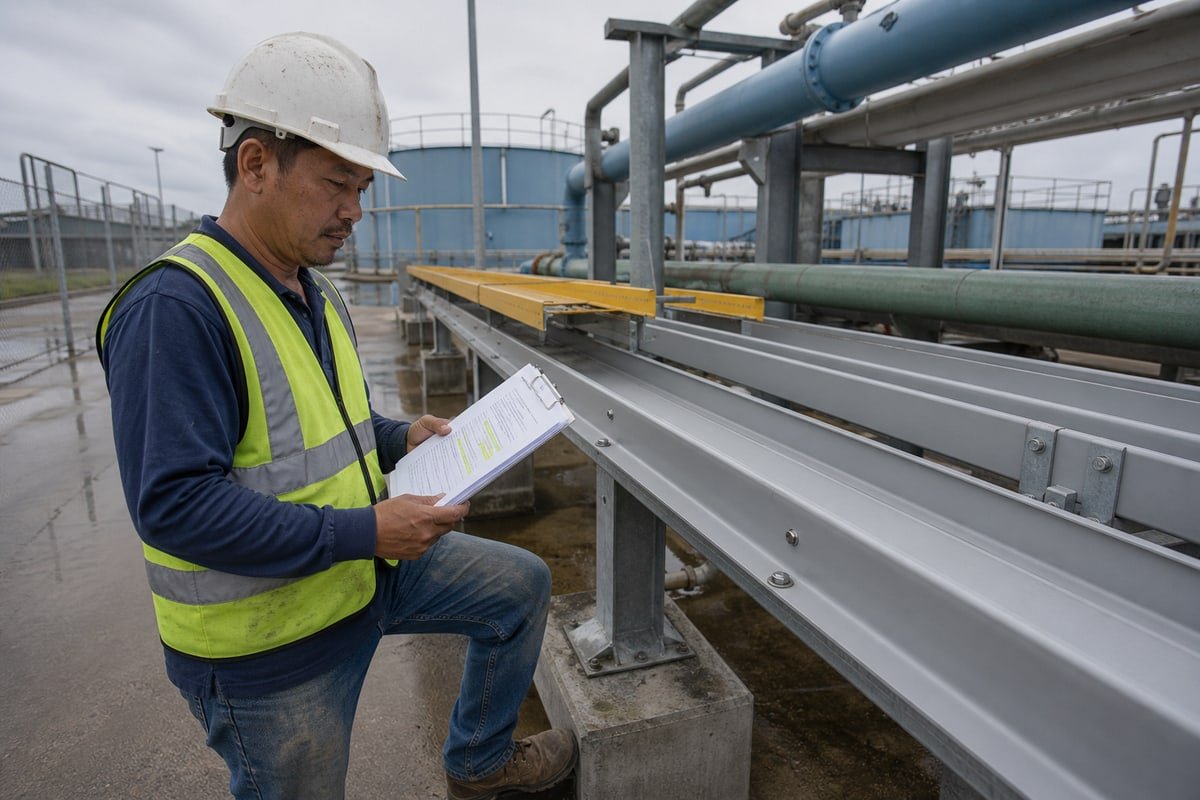
Before you spend hours debating shades, do one thing. Open the project specification and check whether a RAL code is already mandated. In my experience exporting to Singapore, this is extremely common on government and infrastructure projects. Bodies like LTA, HDB, and PUB often enforce strict color standards so that all visible installations look uniform. Turnkey EPC contracts do the same. The main contractor may apply one corporate standard color to every cable management system on site.
My honest view as someone who quotes these projects weekly: if the spec names a color, follow it. Do not propose alternatives unless there is a real technical reason—for example, the specified shade is not available in the required fire-retardant powder. Your job as a buyer is compliance, not redesign.
When the Spec Is Silent
If no color is mandated, work through a simple decision framework.
| Decision Factor | Question to Ask | Practical Recommendation |
|---|---|---|
| Location | Indoor or outdoor? | Outdoor needs polyester powder coating for UV stability; indoor can use epoxy powder coating 2 for chemical resistance |
| Visibility | Hidden ceiling void or exposed? | Hidden: cheapest stock shade. Exposed: match architectural finishes |
| Architecture | Exposed ceiling design? | RAL 7016 Anthracite Grey pairs well with structural steel |
| Safety | Emergency or high-voltage circuits? | Dedicated safety colors like RAL 2004 Pure Orange for demarcation |
| Maintenance | Dusty or dirty environment? | Darker or matte shades hide grime better than bright white |
Match the Resin to the Environment
The RAL Classic color chart 3 tells you the shade, not the chemistry. An epoxy powder coating chalks and fades under sunlight, no matter how beautiful the color. For solar farms and rooftop runs, we always recommend polyester systems over a galvanized base for combined corrosion resistance and color retention.
What are the most popular RAL color codes for powder-coated cable trays in solar and industrial projects?
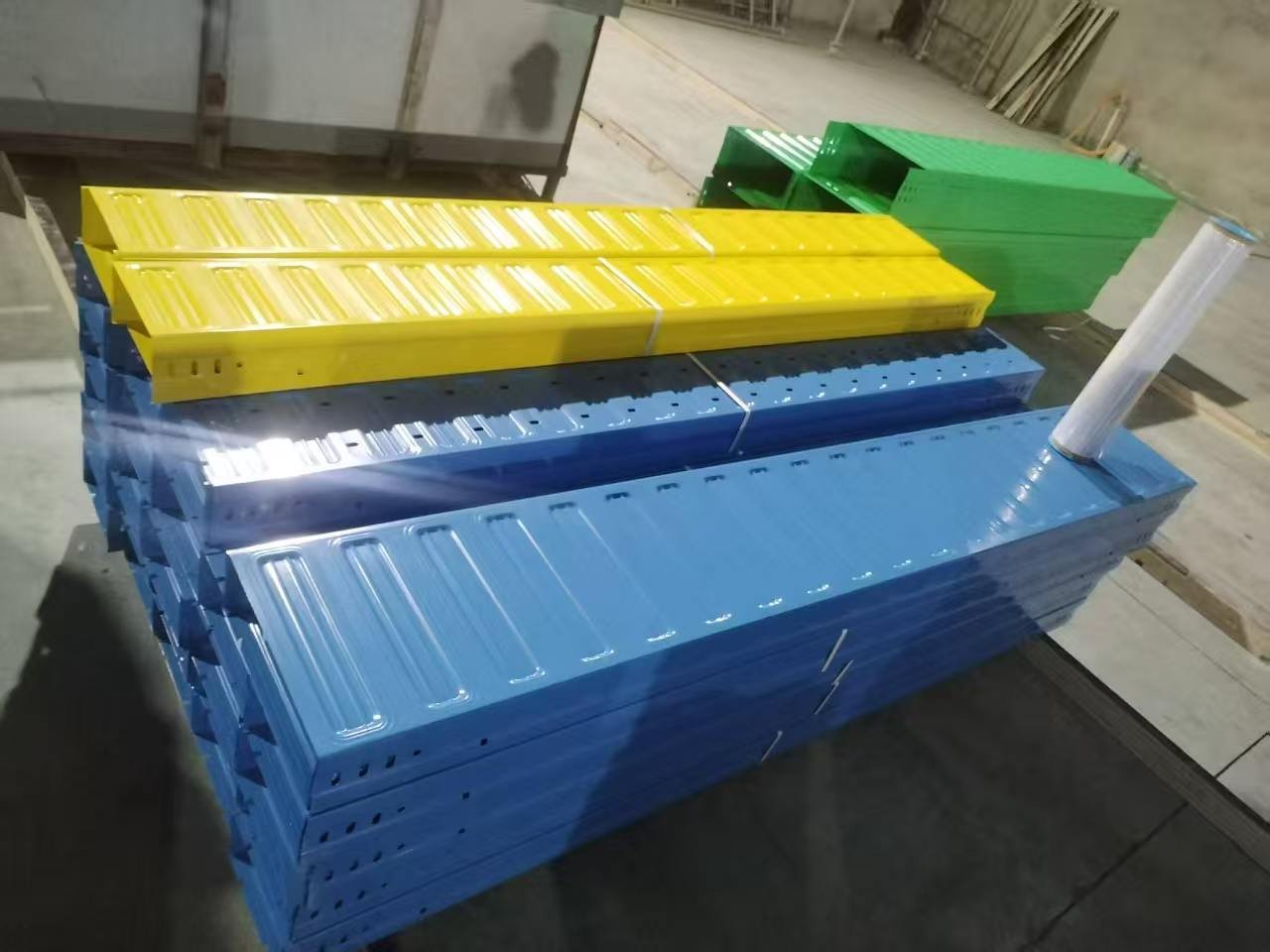
Walk through our warehouse in Tai’an and you’ll see stacked bundles of glossy blue, green, and yellow trunking awaiting export. Those colors weren’t picked at random.
The most popular RAL color codes for powder-coated cable trays are RAL 7035 Light Grey for general use, RAL 9005 Jet Black for exposed ceilings, RAL 9010 White for solar and high-heat zones, RAL 1023 Yellow for emergency circuits, and RAL 2004 Orange for demarcation.
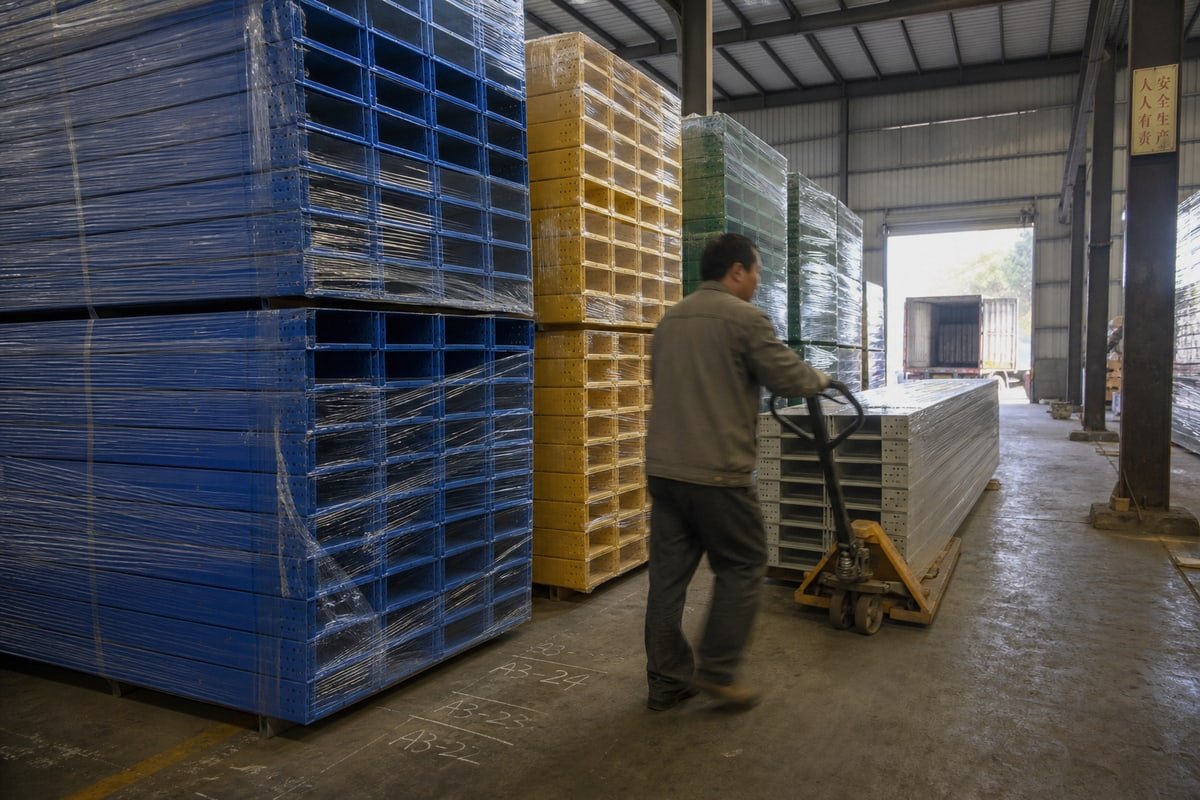
Here is the shortlist we quote most often for industrial electrical installations:
| RAL Code | Color Name | Typical Use Case |
|---|---|---|
| RAL 7035 | Light Grey | The safe default for general power and data cabling |
| RAL 9003 / 9010 / 9016 | Whites | Clean interiors, modern offices, high-reflectance outdoor runs |
| RAL 9005 | Jet Black | Exposed-ceiling industrial or retail spaces |
| RAL 7016 | Anthracite Grey | Matching structural steel and architectural finishes |
| RAL 3000 | Flame Red | Fire alarm circuit identification |
| RAL 1023 | Traffic Yellow | Emergency circuits and caution routes |
| RAL 5015 | Sky Blue | Data cabling or mechanical system identification |
| RAL 2004 | Pure Orange | High-voltage demarcation points |
Solar and Outdoor Projects
Color choice on solar sites is not only cosmetic. High-reflectance shades like RAL 9010 reduce solar heat gain on the tray body. In high-ambient-temperature zones, that helps prevent cable derating. Pair the shade with a polyester powder coating so the finish resists chalking under years of UV exposure.
Industrial Color Coding Pays for Itself
Do not underestimate functional color coding. In a facility with hundreds of meters of tray, running emergency circuits in yellow and standard power in grey can save hours of troubleshooting during a fault outage. That is a small upfront cost traded for a large operational gain. Some clients also select high-contrast shades deliberately, because automated inspection systems and maintenance drones detect them more reliably.
One more scalability tip from our order history: stock shades like RAL 9003 and RAL 9005 stay consistent across future facility expansions and carry the shortest lead times.
How can I verify RAL color consistency and quality control before my cable trays are shipped?
A hard lesson from my early exporting days: a printed color card and a sprayed steel panel almost never look identical. One rejected container taught me that permanently.
Verify RAL color consistency by approving a sprayed sample panel before production, defining an acceptable Delta E tolerance in the contract, checking finished trays against the approved reference under standardized lighting, and requesting spectrophotometer readings plus batch photos before shipment.
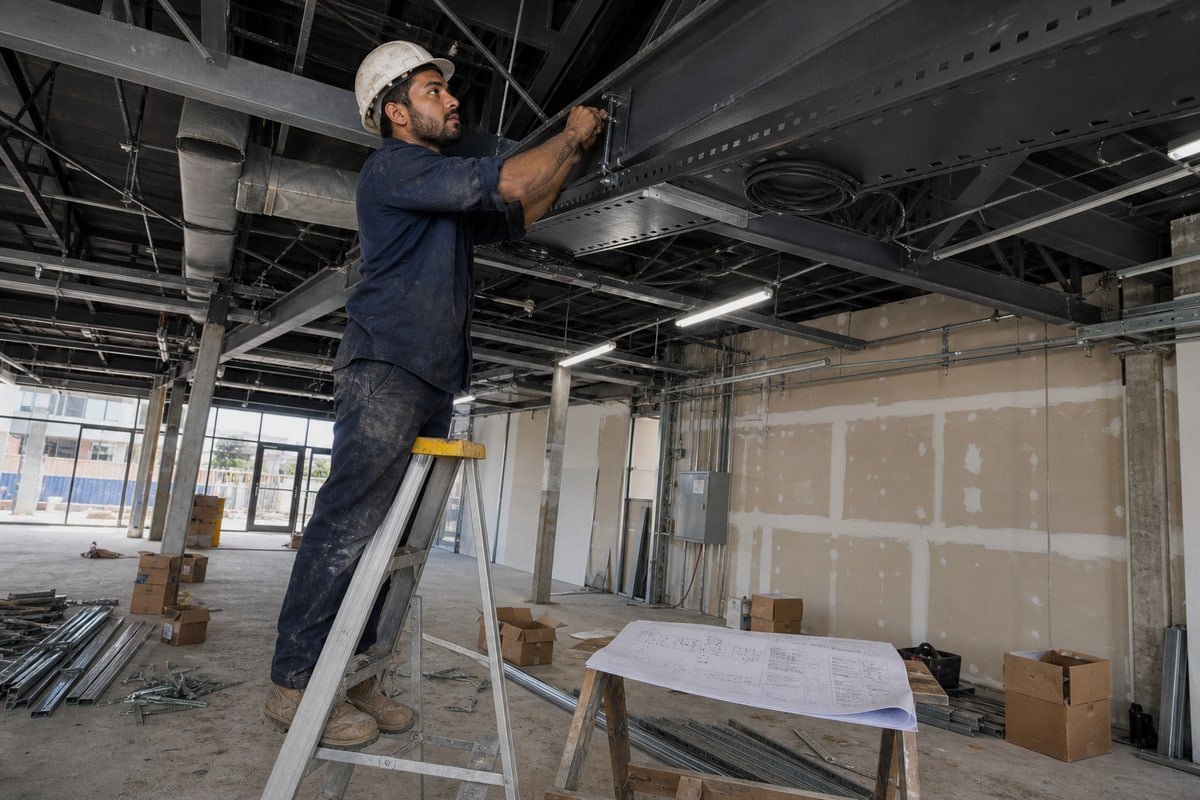
“RAL matched” does not automatically mean “perfectly identical.” Powder batches vary slightly, and the galvanized steel substrate underneath can shift how a thin coat reads. So the acceptance criteria must be documented before production starts, not argued about after arrival.
A Practical Five-Step QC Sequence
- Confirm the code against a physical RAL K7 or K5 color fan. Never judge a shade from a phone screen or a PDF. Screens distort color badly.
- Request an actual sprayed swatch. A printed RAL card and a powder-coated panel look different in real light. We keep a RAL color card catalog on hand and courier sprayed panels to buyers on request—just ask.
- Agree the gloss level in writing. “RAL 9005 black” is an incomplete spec. Gloss, satin, matte, and fine-texture versions of the same code look dramatically different. Matte or fine-texture finishes also hide dust and glare in high-airflow spaces like data centers.
- Define a Delta E tolerance. For precise projects, set a maximum ΔE against the approved reference panel and verify it with a spectrophotometer.
- Inspect before loading. Compare production trays to the approved panel under standardized lighting, and request batch photos and readings before the container is sealed.
Write the Full Specification Line
A complete order line should reference the RAL Classic code, the resin system, the gloss level, the applicable surface treatment standards, and the agreed tolerance method. For example: RAL 7035, polyester powder coating, semi-gloss, over hot-dip galvanized steel substrate, color verified against the approved sprayed panel. That one sentence prevents most disputes we’ve ever seen.
Can I request a custom RAL color code when placing an OEM or ODM cable tray order?
Every custom-color inquiry forces me to weigh two numbers against each other: the powder supplier’s minimum batch size and the buyer’s actual tray quantity. Sometimes they simply don’t align.
Yes, most OEM and ODM cable tray suppliers, including our factory, accept custom RAL color codes. Expect a minimum order quantity, a longer lead time for powder formulation, a sprayed sample approval step, and confirmation that the shade exists in fire-retardant powder if required.
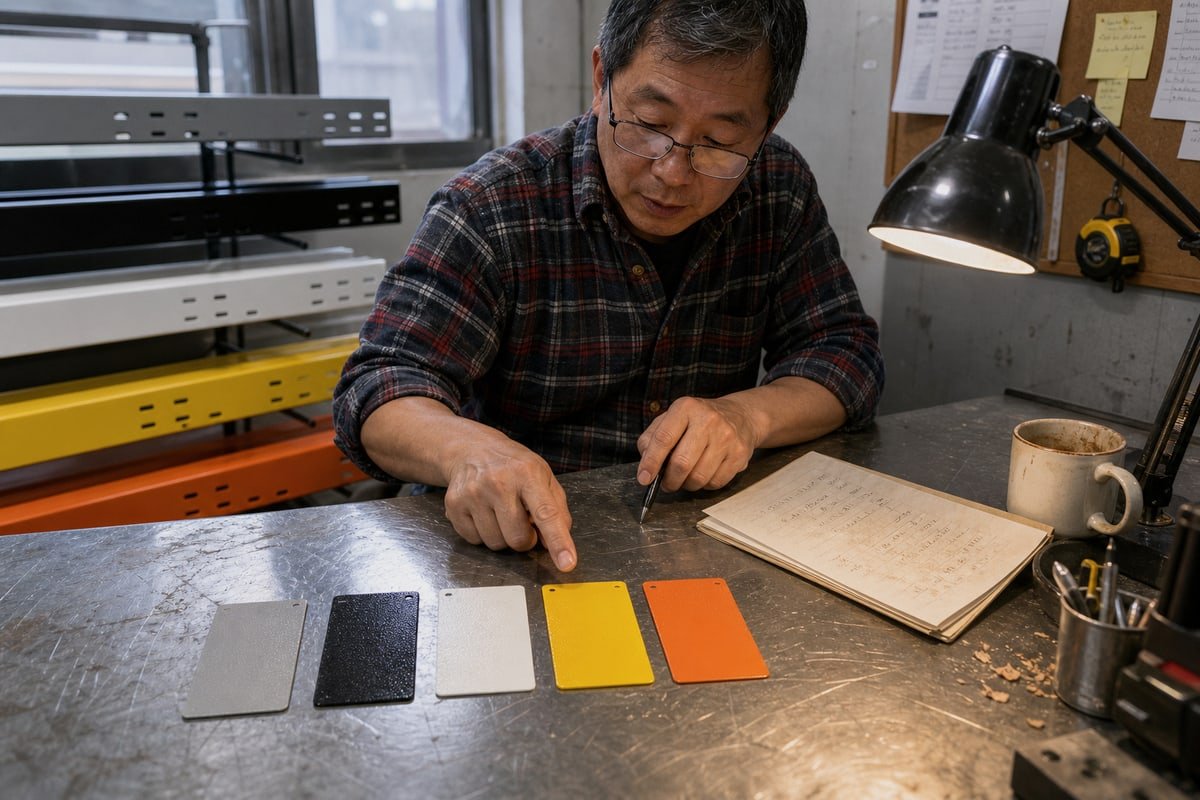
Customization is central to how we work with EPC brand owners and wholesalers. We spray custom shades across our full range—perforated trays, ladders, trunking, and wire mesh cable tray 4—so a client’s entire cable containment package arrives in one uniform brand color. But custom always carries trade-offs, and I would rather you see them before quoting your end client.
Standard Stock Colors vs Custom Matching
| Factor | Standard RAL Stock Color | Custom RAL / Matched Color |
|---|---|---|
| Lead time | Shortest; powder is on the shelf | Longer; powder must be formulated or specially ordered |
| Minimum order quantity | Low or none | Yes, driven by the powder batch size |
| Cost | Standard pricing | Higher per unit on small runs |
| Future expansion | Easy to reorder and match | Batch-to-batch variation risk; keep reference panels |
| Approval process | Simple confirmation | Sample spray and sign-off required |
Four Questions to Ask Before Confirming a Custom Color
- Is this RAL shade available in a fire-retardant powder, if my project requires one? Some colors are limited in specialty formulations.
- What are the exact MOQ and lead time for this powder?
- Can you send an actual sprayed swatch for sign-off? Never decide from a printed RAL card alone—the coated result reads differently.
- How will you guarantee batch consistency if I reorder next year?
My practical advice: choose custom matching only when there is a strict visual or branding requirement. If a standard shade from the RAL Classic color chart works, take it. It is faster, cheaper, and far easier to extend later.
Conclusion
Color mistakes are expensive and avoidable. Check your spec first, default to proven shades, lock the gloss level, and approve real sprayed samples. Need a RAL catalog? Message me anytime.
Footnotes
- ISO standard for coating powders and verification methods. ↩︎
- Technical overview of powder coating types and applications. ↩︎
- Official source for the RAL Classic color standard. ↩︎
- General information on cable tray systems and types. ↩︎