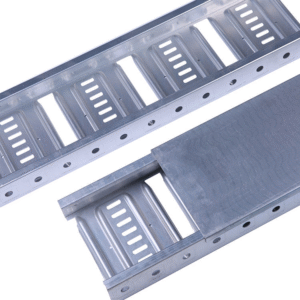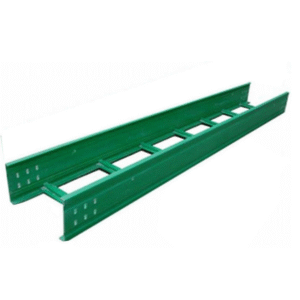
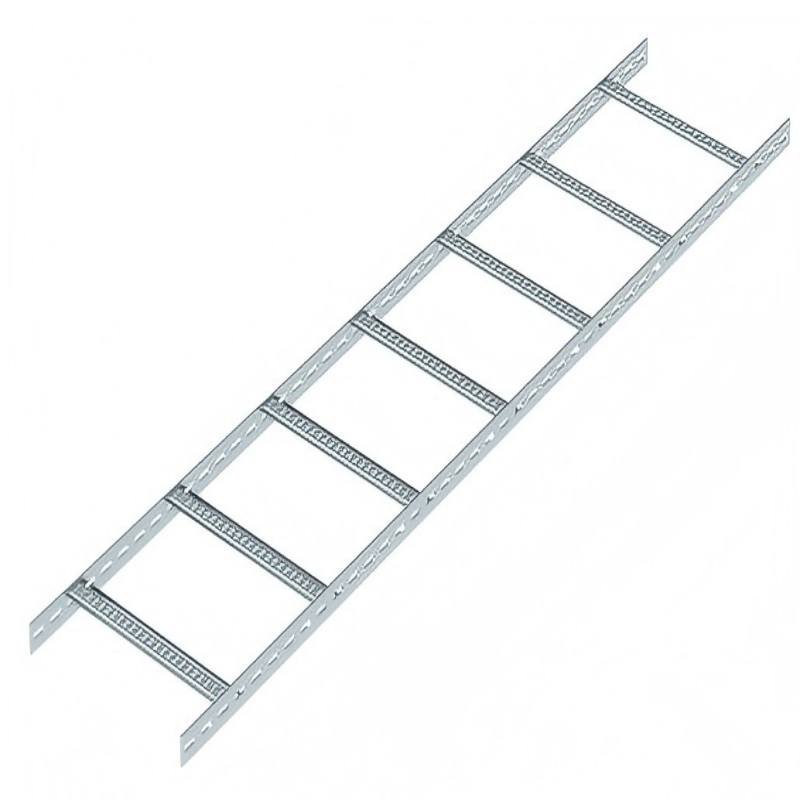
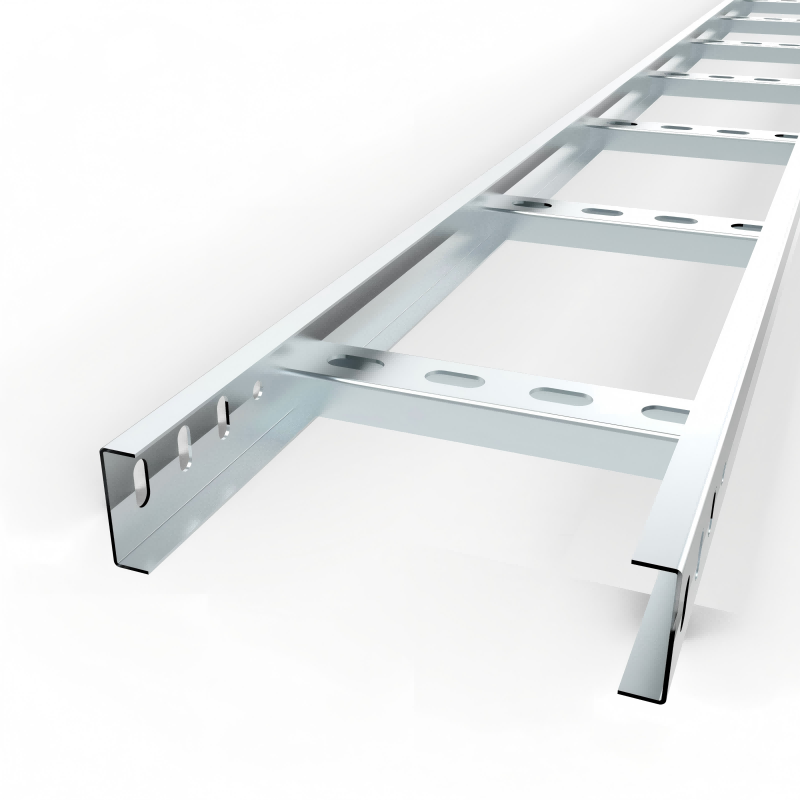
Marine cable tray is a corrosion-resistant cable support system designed for ships, offshore platforms, marine terminals, and coastal industrial facilities where salt spray, humidity, and mechanical stress demand stronger long-term performance. Public marine cable tray and marine-standard cable support sources consistently describe these systems as being used to organize and support electrical, control, and communication cables in harsh maritime environments.
Built for reliability, accessibility, and long service life, our marine cable tray solutions help contractors, shipbuilders, and industrial project owners create safer and more efficient cable routing systems. Common market offerings include stainless steel, aluminum, galvanized steel, and coated options to match different corrosion levels and project budgets.
Harsh marine environments can quickly damage ordinary cable support systems, especially in areas exposed to chlorides, moisture, and vibration. Marine-grade cable tray products are specifically developed to improve corrosion resistance, maintain structural stability, and reduce maintenance frequency in offshore and coastal settings.
Our marine cable tray systems are designed to deliver:
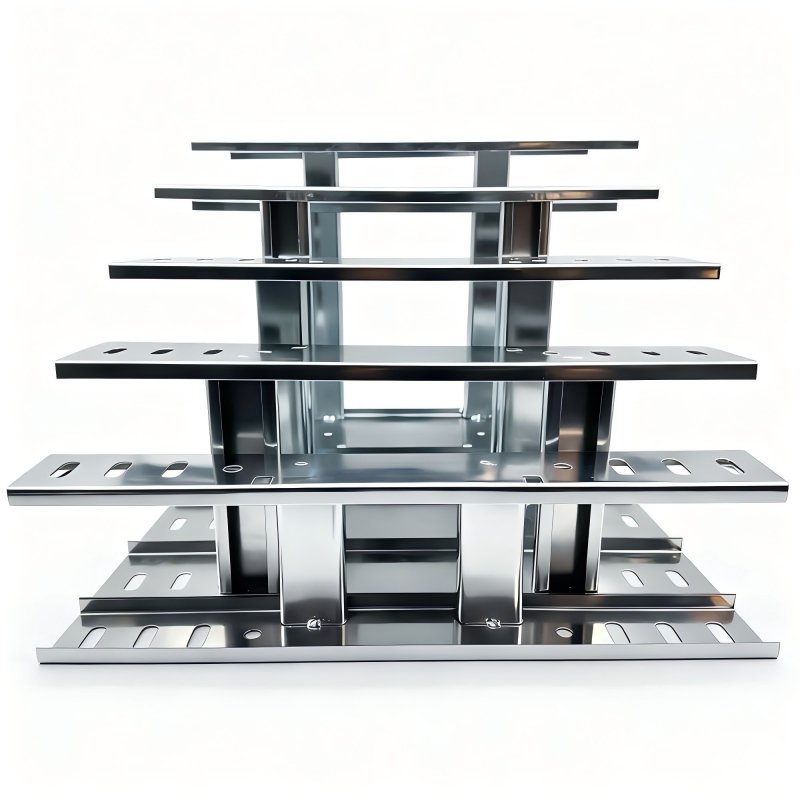
One of the most important features of a marine cable tray is its ability to resist corrosion in saltwater and humid environments. Public marine application guides and supplier pages highlight stainless steel, marine-grade aluminum, and hot-dip galvanized steel as common solutions for different corrosion classes and budgets.
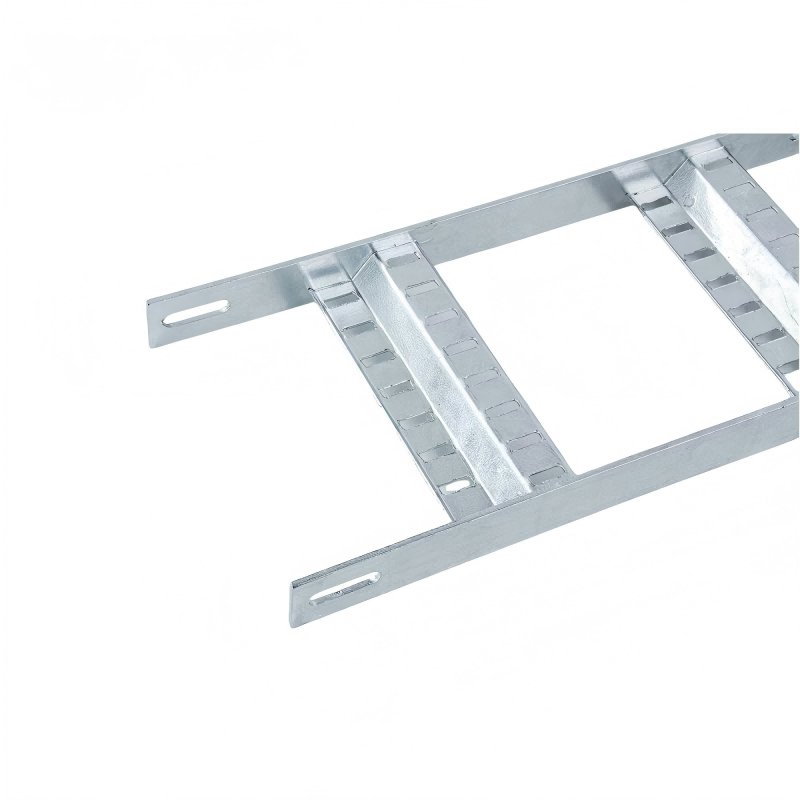
Marine cable tray systems must support cable loads while performing under vibration, movement, and operational stresses. Marine tray and ladder references describe these systems as robust support structures intended for shipboard, offshore, and coastal cable management.
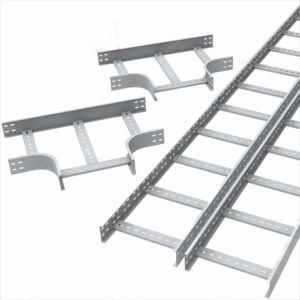
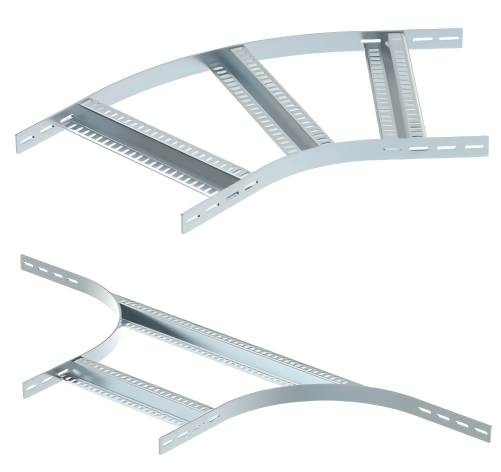
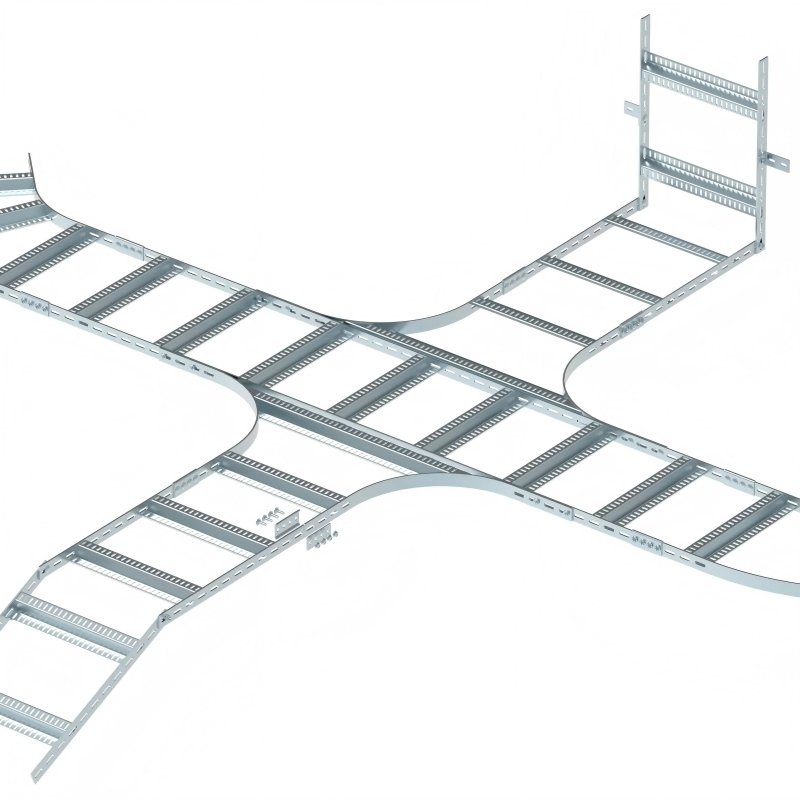
Marine installations often involve complex routing paths across decks, equipment rooms, modules, walls, and ceilings. Accessory and offshore tray sources show that a complete system typically includes bends, reducers, splice kits, brackets, retaining parts, and mounting hardware for smoother installation.
Different projects require different materials depending on exposure level and cost target. Engineering selection guides for marine cable trays commonly recommend SS316 or SS316L for highly exposed offshore use, while aluminum and galvanized options can be selected for weight reduction or cost control.
The following table presents a practical industrial-style specification layout based on common ranges found across public marine cable tray and marine ladder tray product information. Width, thickness, and accessory availability may vary by project and customization requirements.
Item | Specification |
Product Name | Marine cable tray |
Product Category | Marine tray, perforated tray, trough tray, marine cable ladder-related systems |
Materials | Stainless steel, aluminum, galvanized steel, coated steel |
Stainless Steel Grade | Commonly SS304, SS316, SS316L depending on environment |
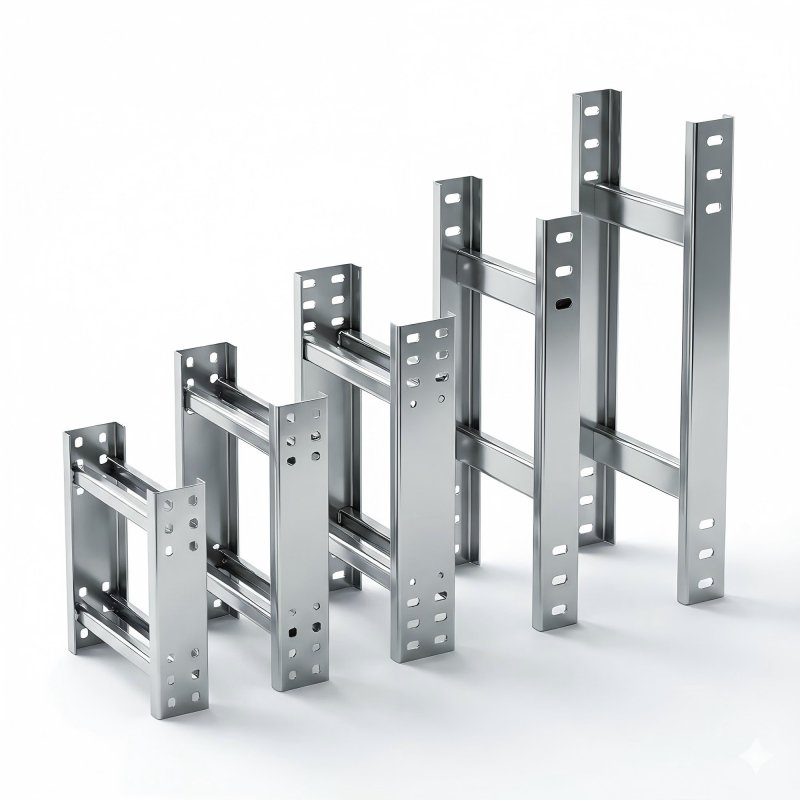
Width Range | Common public ranges start at 50 mm and may extend to 300 mm or more; some ladder systems list 100–1000 mm |
Thickness Range | Common public listings include approximately 0.80 mm to 3.00 mm, with heavier-duty ladder systems extending above that in some cases |
Side Rail / Side Height | Depends on cable tray style and application, with multiple profile options available |
Standard Length | Varies by project and manufacturer; some ladder systems list 3 m and 6 m lengths |
Surface Finish | Stainless finish, mill finish, galvanized, or corrosion-protective coated finish |
Installation Environment | Ships, offshore platforms, coastal facilities, ports, marine infrastructure |
Cable Types | Power cables, control cables, instrumentation cables, communication cables |
Accessories | Bends, tees, reducers, splice kits, wall brackets, ceiling mounts, supports, retaining parts channel |
This table is useful for presenting common size choices on a product detail page. Public listings for marine-standard cable trays and offshore cable ladder systems show a mix of narrow and wide formats depending on application and cable load.
Width | Typical Thickness | Common Material Options | Recommended Use |
50 mm | 1.0 mm / 1.25 mm | Stainless steel, aluminum | Small control or signal cable routes |
75 mm | 1.0 mm / 1.25 mm | Stainless steel, aluminum | Instrument and auxiliary wiring |
100 mm | 1.0 mm / 1.25 mm / 1.5 mm | Stainless steel, aluminum, galvanized steel | General marine cable routing |
150 mm | 1.25 mm / 1.5 mm | Stainless steel, aluminum, galvanized steel | Mixed power and control cable runs |
200 mm | 1.25 mm / 1.5 mm / 2.0 mm | Stainless steel, aluminum, galvanized steel | Medium-duty shipboard distribution |
300 mm | 1.5 mm / 2.0 mm o | Stainless steel, aluminum, galvanized steel | Main cable pathways in marine systems |
A professional industrial product page should clearly show that the tray is part of a complete system. Accessory references across tray systems consistently include splice parts, supports, brackets, tees, drops, reducers, and mounting kits.
Accessory | Description |
Horizontal Bend | Changes cable tray direction on the same level. |
Vertical Bend / Riser | Routes cables upward or downward between levels. |
Tee / Cross | Creates branch lines for multi-direction cable routing. |
Reducer | Connects different tray widths in one system. |
Splice Plate / Splice Kit | Joins tray sections securely. |
Wall Bracket | Supports tray mounting along walls or structural frames. |
Ceiling Support | Suspends tray from overhead structures. |
Retaining Parts | Helps stabilize cable positioning in certain installations. |
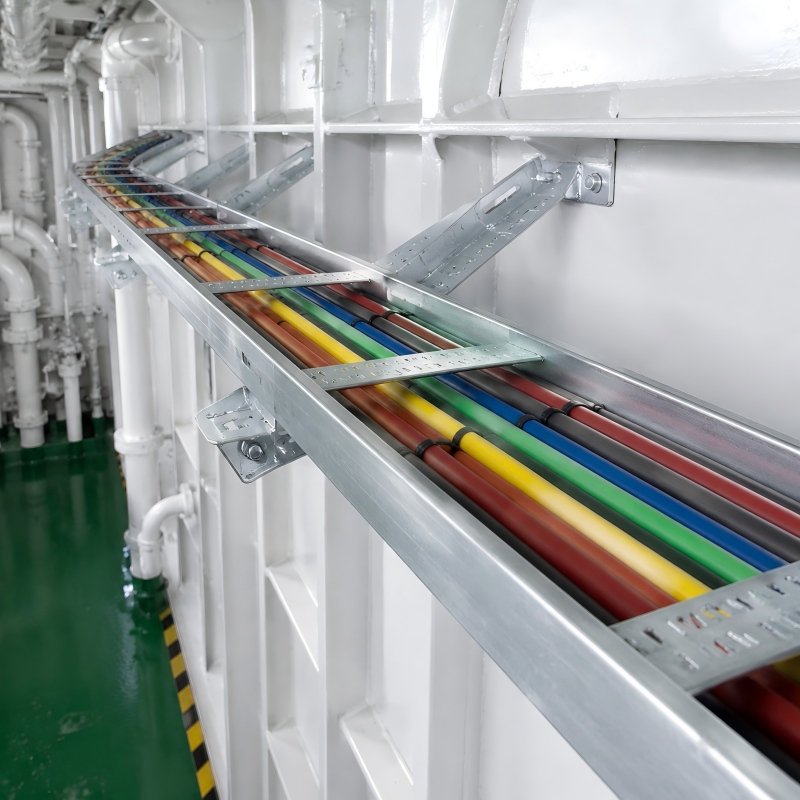
Marine cable tray is widely used in projects where cable systems must remain organized, accessible, and protected in corrosive or mechanically demanding environments. Marine supplier pages and industry references regularly identify ships, offshore oil and gas facilities, offshore wind projects, ports, and coastal industrial plants as major use cases.
A marine cable tray is a specialized cable support system used to route and support electrical cables in ships, offshore platforms, and coastal facilities where corrosion resistance and durability are essential. Supplier descriptions define it as a structural element for organizing electrical wiring in maritime and offshore conditions.
The best material depends on the application environment, budget, and expected service life. Public guidance often recommends SS316 or SS316L for severe saltwater exposure, while aluminum offers weight advantages and galvanized steel can be a cost-effective option for less aggressive environments.
Yes, offshore platforms are one of the most common applications mentioned in public marine tray and offshore support system references. These systems are designed to perform in corrosive, humid, and mechanically demanding offshore environments.
Common accessories include horizontal bends, vertical risers, tees, crosses, reducers, splice plates, wall brackets, ceiling supports, and cable-retaining components. Accessory catalogs and tray system guides consistently show these parts as part of a complete installation system.
Yes, public product listings show variation in width, thickness, material, finish, and fitting configuration, indicating that customization is common in marine and offshore