Wire Mesh Cable Tray is a modern and widely used cable management system designed to support and route electrical cables in a safe, organized, and maintainable way. Unlike fully enclosed trays, a wire mesh cable tray uses an open, grid-like structure made from metal wires. This open design helps with ventilation, visibility, and easier cable handling.
In this article, you’ll learn clearly and simply what Wire Mesh Cable Tray is, how it works, its key advantages, typical applications, selection factors, and common questions.
1.What Is Wire Mesh Cable Tray?
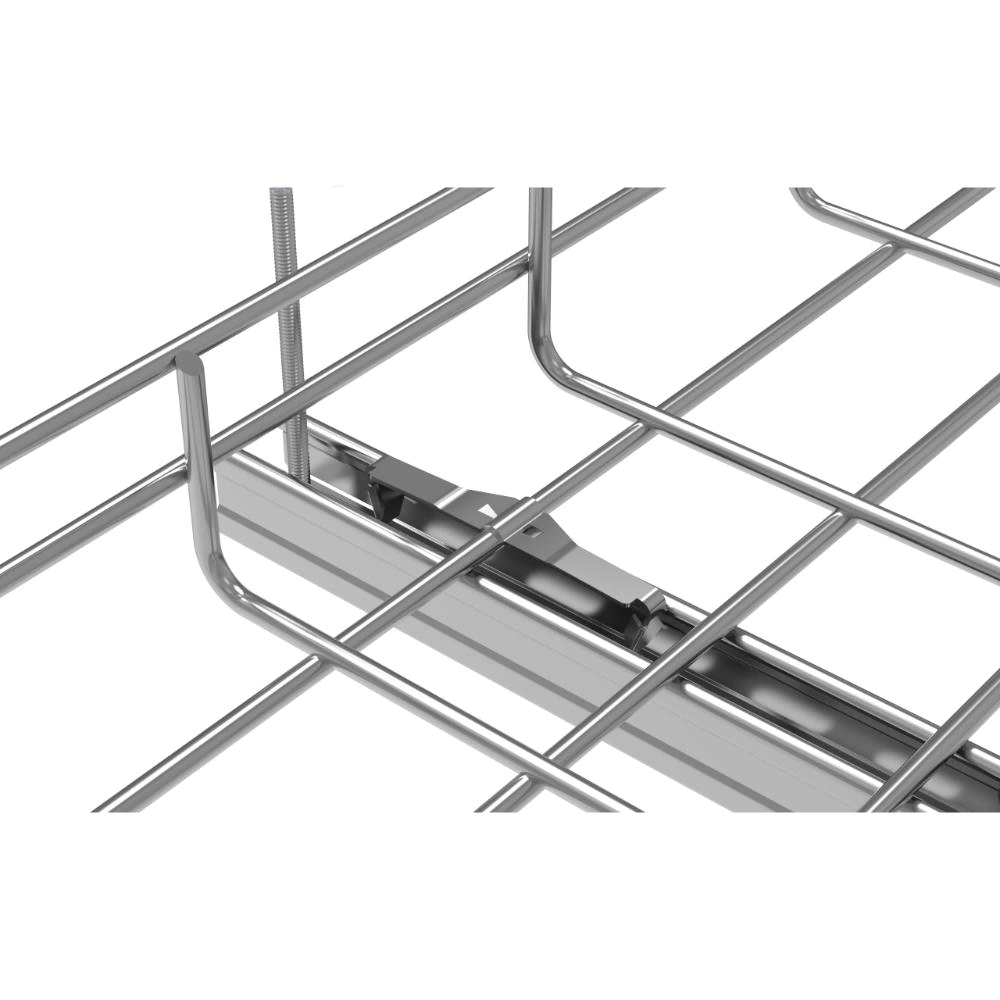
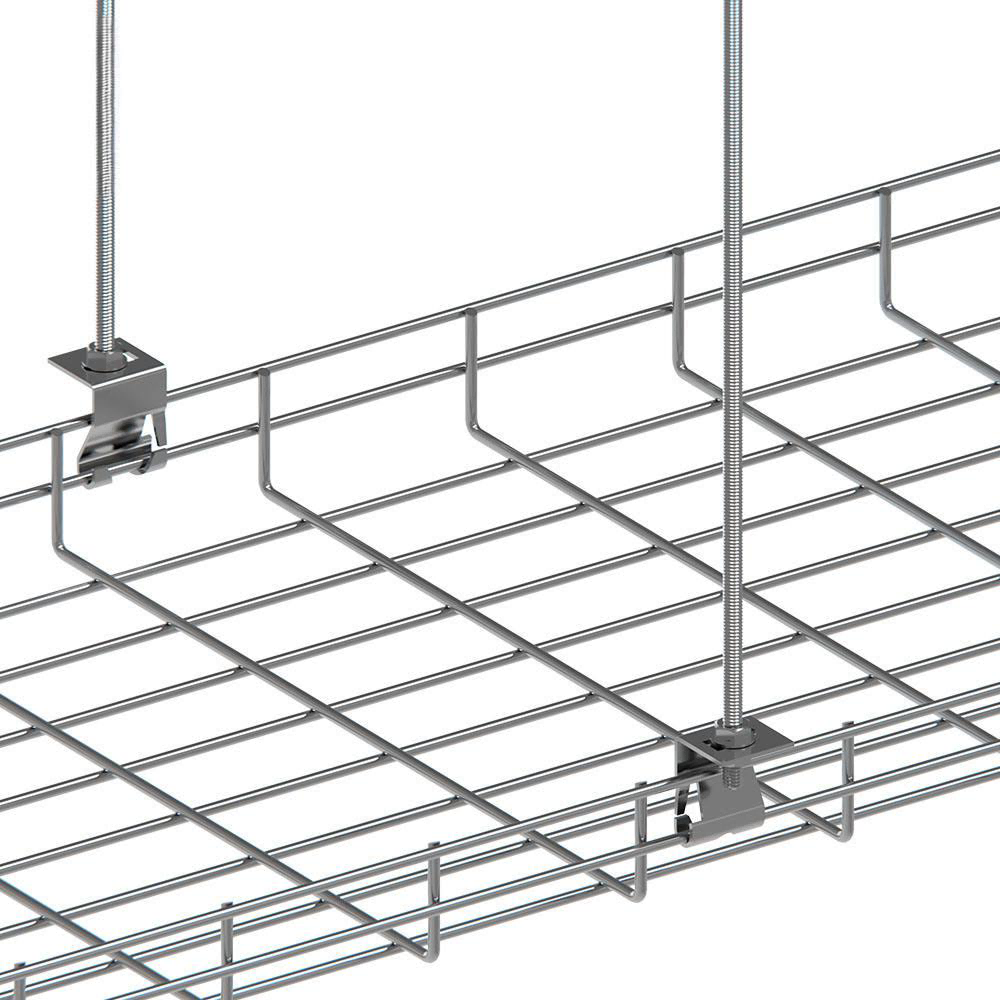
A Wire Mesh Cable Tray is a cable tray system built from metal wire mesh panels (or formed wire sections). These sections are mounted on supports such as brackets, hangers, and rails, creating a continuous pathway for cables.
The main idea is straightforward: it is a support platform for cables that is open enough to allow airflow while still providing mechanical strength.
2.How a Wire Mesh Cable Tray Works
The design of Wire Mesh Cable Tray focuses on balancing three needs:
- Mechanical support– cables are held in place by the tray structure.
- Airflow and heat dissipation– the mesh form allows air to move around cables.
- Ease of access and inspection– cables are easier to see and service compared to sealed systems.
Why the Mesh Structure Matters
Because the tray is made of open wire mesh, heat generated by cables can dissipate more effectively. This can be especially beneficial in environments where cables are densely installed or where ventilation is limited.

3.Key Advantages of Wire Mesh Cable Tray
Many projects prefer Wire Mesh Cable Tray for practical engineering reasons.
3.1. Better Ventilation and Cooling
One of the strongest benefits of Wire Mesh Cable Tray is improved airflow. The open grid design reduces heat buildup around cables, which supports safer long-term operation.
3.2. Easier Installation and Maintenance
With a mesh tray, installers often find it simpler to route, tie, and adjust cables. Maintenance teams can also access cables and identify routing issues faster.
3. 3.Strong Cable Visibility
Because the tray is open, technicians can visually check cable routing and condition more easily. This can reduce troubleshooting time.
3.4. Strong Suitability for Expansion
In many facilities, cable systems grow over time. Wire Mesh Cable Tray is typically easier to extend and modify than some more rigid or fully enclosed solutions.
4.Typical Construction and Components
A complete Wire Mesh Cable Tray system usually includes several parts:
4.1 Main Parts
- Wire mesh tray sections(the mesh body)
- Side rails or edge frames(for stability)
- Cross supports / connection components(to maintain rigidity)
- Support hardware(brackets, hangers, suspension systems)
- Accessories(such as bends, tees, connectors, covers when required)
4.2 Common Materials
Depending on the environment and project standards, Wire Mesh Cable Tray may be made from:
- Galvanized steel(often used where corrosion risk is moderate)
- Stainless steel(often used in wet, humid, or corrosive environments)
- Other specialized coatings or alloys as required

5.Where Wire Mesh Cable Tray Is Commonly Used
Wire Mesh Cable Tray is suitable for many types of facilities and industries.
5.1 Data Centers and Server Rooms
These spaces often require excellent airflow and clear cable visibility. The open structure of a wire mesh cable tray supports better ventilation and easier maintenance.
5.2 Industrial Plants and Manufacturing Areas
Industrial settings may have dust and heavy ongoing usage. Wire Mesh Cable Tray can provide strong support with convenient access for upgrades and inspections.
5.3 Office Buildings and Commercial Infrastructure
In large commercial projects, structured cabling and power distribution can both benefit from a Wire Mesh Cable Tray layout—especially when future expansion is expected.
5.4 MEP Pathways and Cable Routes
In mechanical, electrical, and plumbing (MEP) coordination, cable trays are often used to create organized, standardized routes across large areas.
6.How to Choose the Right Wire Mesh Cable Tray
Choosing Wire Mesh Cable Tray correctly is important for safety, performance, and cost control.
6.1 Consider Load Capacity
You must evaluate:
- the weight of cables (including current and planned additions)
- cable arrangement density
- required support spacing
If the tray load capacity and installation spacing are not designed properly, the tray may sag or deform over time.
6.2 Match Mesh Design to Cable Type
Mesh size and tray construction affect how well cables rest and how easily they can be secured. For example, tighter mesh may better support certain cable types.
6.3 Select the Right Material for the Environment
- Dry indoor environments may allow cost-effective galvanized steel.
- Humid, coastal, or chemically exposed areas often require stainless steel or enhanced corrosion protection.
6.4 Plan Support Spacing and Installation Method
Support spacing strongly affects performance. The engineering design should match the tray width, mesh structure, and expected loads.
7.Typical Installation Overview
While project details vary, a typical Wire Mesh Cable Tray installation process follows these general steps:
Installation Steps
- Mark the routing path and elevations
- Install supports(brackets or hangers)
- Connect tray sectionsto form a continuous route
- Install and secure cables(using ties or suitable fixings)
- Verify alignment and fastening
- Add accessoriesif required by the project (such as separators or covers)
Always follow relevant installation standards and project engineering requirements when using Wire Mesh Cable Tray.
8.FAQ: Common Questions About Wire Mesh Cable Tray
Q1: What is the difference between Wire Mesh Cable Tray and other cable trays?
The main difference is the structure. A Wire Mesh Cable Tray is open and ventilated, while other tray types may be more enclosed. The mesh design typically improves airflow and simplifies inspection.
Q2: Is Wire Mesh Cable Tray suitable for all cables?
Not automatically. Suitability depends on cable type, load requirements, environment, and any fire/safety or protection requirements defined by the project.
Q3:Do I always need covers for Wire Mesh Cable Tray?
Covers may be required depending on dust levels, environmental exposure, or protection requirements. Many projects choose covers by design rather than by default.
9.Conclusion
In simple terms, Wire Mesh Cable Tray is an open wire-grid cable support system used to route and secure cables safely. Its mesh structure improves ventilation, increases cable visibility, and makes installation and maintenance easier than many fully enclosed alternatives.
If you’re still asking “What Is Wire Mesh Cable Tray?” you can summarize it like this: it is a practical, expandable, and easy-to-service cable tray solution—especially helpful when airflow, monitoring, and future upgrades matter.
If you tell me your project type (data center, factory, office building, etc.) and whether the environment is indoor or outdoor, I can help you list the key specs to request for the correct Wire Mesh Cable Tray selection.