When you think of a ship or an offshore oil rig, you probably imagine massive engines, corrosion-resistant steel, and complex navigation systems. But behind every operational marine vessel lies a hidden network of electrical cables. These cables power everything from navigation lights to fire alarms. Without a reliable support system, these wires would be exposed to extreme conditions. This is where the marine cable tray becomes essential.
In this guide, we will explore what is marine cable tray, its unique features, types, benefits, and key selection criteria. Whether you are a marine engineer, a shipbuilder, or a procurement specialist, understanding this component is critical for safety and performance.
1.What Is Marine Cable Tray?
A marine cable tray is a rigid structural system used to support and organize electrical cables in marine environments. Unlike standard industrial trays, marine cable trays are specifically designed to withstand harsh sea conditions. These include saltwater corrosion, high humidity, vibration from engines, and extreme temperatures.
The primary purpose of a marine cable tray is to provide a safe, organized pathway for cables. It prevents tangling, physical damage, and electrical interference. On a ship or offshore platform, loose cables pose fire hazards and maintenance nightmares. Marine cable trays keep everything secured, accessible, and compliant with international maritime safety standards.
In simple terms, if a ship’s electrical cables are its veins, the marine cable tray is its skeleton—giving structure and protection.
2.Why Standard Cable Trays Fail in Marine Environments
Before answering “what is marine cable tray” fully, it helps to understand why normal trays are insufficient. Standard steel trays rust quickly when exposed to salt spray. Aluminum trays may corrode due to galvanic reactions. Plastic trays can become brittle from UV exposure and temperature fluctuations.
Marine cable trays use specialized materials and coatings. Common options include:
- Hot-dip galvanized steel(heavy-duty)
- Stainless steel (304 or 316)– 316 grade is preferred for high-salinity areas
- Fiberglass reinforced plastic (FRP)– non-conductive and corrosion-proof
Each material addresses specific threats like chloride attack, electrolysis, or fire spread. Additionally, marine cable trays undergo rigorous testing for vibration resistance and flame retardant. This ensures they meet regulations such as IMO (International Maritime Organization) and SOLAS (Safety of Life at Sea).
Key Features of a Marine Cable Tray
A marine cable tray is not just a trough for wires. It incorporates several design elements tailored to floating assets. Below are the defining characteristics.
2.1 Corrosion Resistance
Saltwater is highly corrosive. A marine cable tray must resist rust and pitting for decades. Stainless steel 316 contains molybdenum, which improves resistance to chlorides. FRP trays are inherently inert to salt, acids, and alkali s.
2.2 High Load Capacity
Marine vessels may host dozens of heavy power cables. A marine cable tray is engineered to support significant weight without sagging. Load ratings are tested under dynamic conditions—including ship rolling and pitching.
2.3 Fire Retardancy and Low Smoke Emission
In confined ship compartments, fire is a deadly risk. Marine cable trays are often coated or made from materials that self-extinguish and emit low toxic smoke. This meets IEC 60331andASTM E84standards.
2.4 Vibration and Shock Resistance
Engines, propellers, and wave action create constant vibration. A marine cable tray includes robust fastening systems and flexible joints that absorb movement without breaking cable insulation.
2.5 Easy Cable Access and Maintenance
Unlike conduit systems, a marine cable tray allows for quick inspection, addition, or removal of cables. This is vital during dry-dock repairs or retrofits.

3. Marine Cable Tray Installation Best Practices
Knowing what is marine cable tray is one thing; installing it correctly is another. Poor installation leads to cable chafing, overloading, and safety violations.
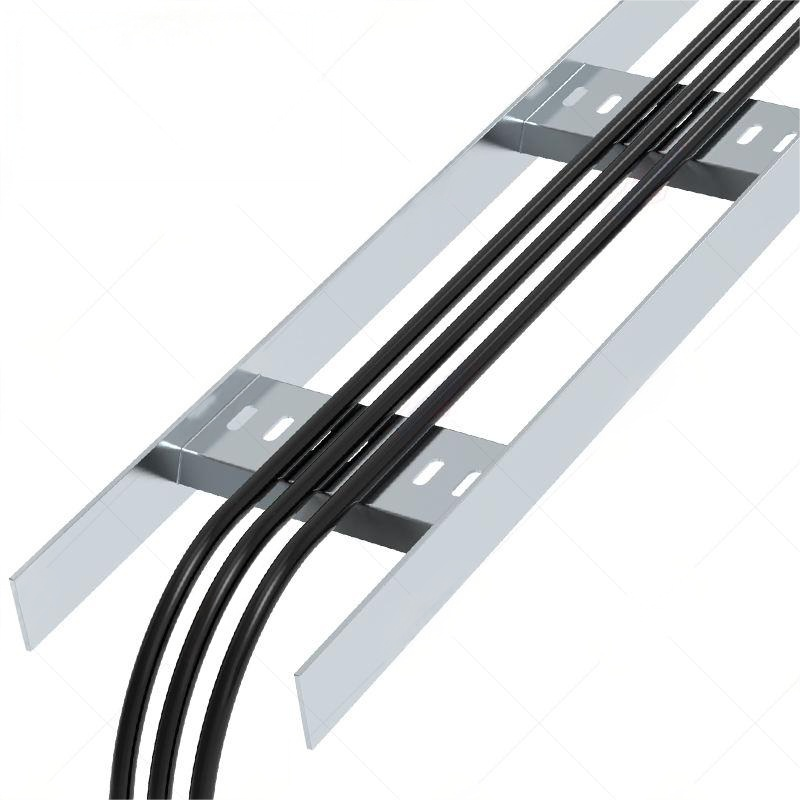
3.1Proper Spacing and Supports
Marine cable trays must be supported every 1.5 to 3 meters, depending on load. Expansion gaps are necessary because metal trays expand with heat. Use vibration-resistant clamps and never over-tighten.
3.2Segregation of Different Cable Types
Separate power cables from control and communication cables within the marine cable tray. Use internal dividers or separate trays. This prevents electromagnetic interference and reduces fire risk.
3.3 Grounding and Bonding
Metal marine cable trays must be properly grounded to prevent electrical shock and stray current corrosion. Most standards require a continuous grounding conductor attached to the tray.
3.4Drainage and Wash-Down Considerations
In areas like engine rooms or open decks, the tray should have drain holes. Solid bottom trays are not recommended here because standing water accelerates corrosion.

4. Marine Cable Tray vs. Cable Ladder vs. Cable Trunking
These terms are often confused. Clarifying the differences helps when you ask what is marine cable tray for a specific project.
Feature | Marine Cable Tray | Cable Ladder | Cable Trunking |
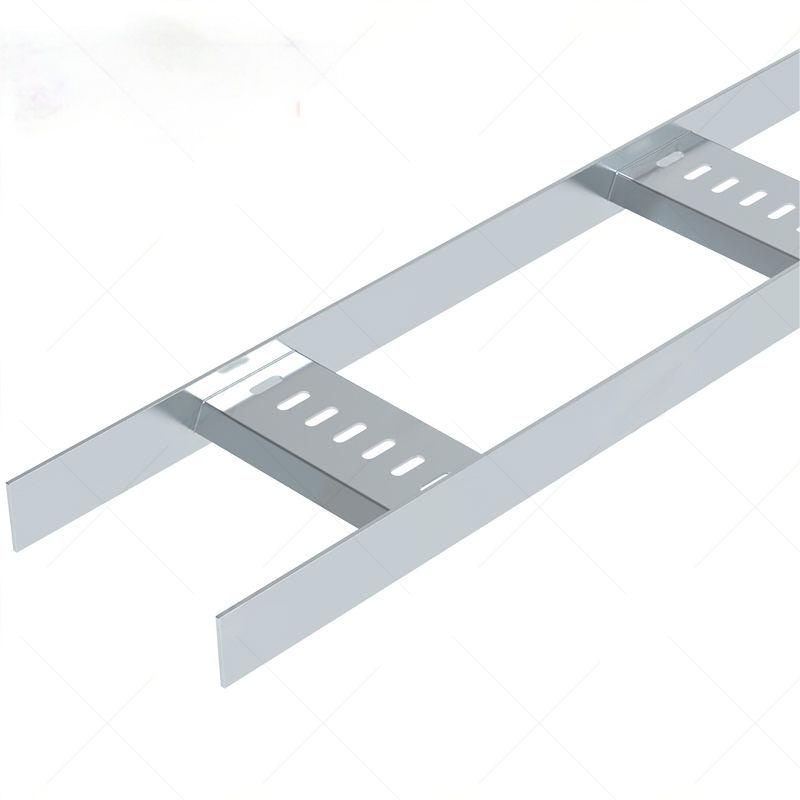
Structure | Perforated, solid, or mesh | Open rungs like a ladder | Fully enclosed box |
Ventilation | Moderate to good | Excellent | Poor |
Cable visibility | Yes | Yes | No |
Protection | Moderate | Low | High |
Typical marine use | Indoor/outdoor | Heavy industrial | Control rooms, living quarters |
In short: choose a marine cable tray for balance of protection and airflow. Use ladders for very heavy cables. Use trunking for exposed or high-security areas.
5. Certifications and Standards for Marine Cable Trays
Any legitimate marine cable tray must comply with international standards. When purchasing, look for these certifications:
- IEC 61537– General requirements for cable tray systems
- NEMA VE 1– Metal cable tray standards (USA)
- ASTM B117– Salt spray corrosion testing
- IMO Res. A.753(18)– Fire resistance for shipboard cables
- DNV GLor ABS– Classification society approvals for marine use
Asking for these documents ensures your marine cable tray will survive the harsh ocean environment.
6.Cost Factors of Marine Cable Tray
Budget is always a concern. However, cutting corners on a marine cable tray leads to higher life cycle costs. Here’s what affects price:
- Material– FRP and stainless steel are more expensive than galvanized steel.
- Thickness– Heavier gauge means higher cost but better durability.
- Coating– Hot-dip galvanizing adds cost but prevents rust.
- Fire rating– Low-smoke zero-halogen (LSZH) coated trays cost more.
- Custom fittings– Elbows, risers, and reducer sections add expense.
Despite higher upfront costs, a quality marine cable tray reduces replacement frequency and fire risk. For offshore rigs, downtime costs can reach millions per day. A reliable tray system is a wise investment.
7. Top 5 Benefits of Using a Marine Cable Tray
Now that you understand what is marine cable tray, let’s summarize why it’s irreplaceable in marine projects.
- Enhanced Safety– Organized cables reduce tripping hazards and fire risks. Trays also maintain separation between low and high voltage circuits.
- Long Service Life– Corrosion-resistant materials last 20+ years in saltwater environments.
- Flexible Modifications– Adding new cables is simple. No need to cut into walls or conduits.
- Better Heat Dissipation– Open trays prevent heat buildup, extending cable insulation life.
- Compliance– Meeting SOLAS, IMO, and classification rules protects against legal liabilities and insurance claims.
8. Common Mistakes to Avoid When Selecting a Marine Cable Tray
Even experienced engineers sometimes overlook key details. Here are pitfalls to avoid.
8.1 Using Non-Marine Galvanized Steel
Standard galvanized coating (e.g., 55 µm) fails quickly on ships. Specify hot-dip galvanized with 85–100 µm thickness or better yet, 316 stainless steel.
8.2 Ignoring Cable Fill Ratio
Overfilling a marine cable tray violates NEC and IEC codes. Leave at least 20% spare capacity for future expansion.
8.3 Forgetting About Electromagnetic Compatibility
Running sensitive signal cables next to high-power cables in the same tray causes data errors. Use shielded cables or separate compartments.
8.4 Skipping Documentation
Always keep a cable tray routing diagram and material test reports for inspections. Port state control officers will request these.
9. Marine Cable Tray in the Future – Trends and Innovations
The marine industry is evolving. Here’s what’s new in marine cable tray design.
- Modular FRP trays– Lightweight and tool-less assembly, perfect for retrofits.
- Smart trays with sensors– Embedded temperature and vibration monitoring for predictive maintenance.
- Geographercoatings– Experimental coatings that offer ultra-high corrosion resistance.
- 3D-printed brackets– Customizationsupports that reduce weight and lead time.
These innovations will make marine cable trays even more reliable and cost-effective.
10. Frequently Asked Questions About Marine Cable Tray
Q1: Can I use a regular cable tray on a boat?
Only for very small, freshwater vessels. For saltwater, commercial ships, or offshore platforms, you must use a certified marine cable tray.
Q2: Is FRP better than stainless steel for marine cable trays?
It depends. FRP is non-conductive and immune to corrosion, but it may be less fire-resistant. Stainless steel is stronger and withstands high temperatures. Both are excellent choices when specified correctly.
Q3: How do I clean a marine cable tray?
Use fresh water wash down and non-abrasive brushes. For stainless steel, passivization treatments restore corrosion resistance. Avoid chloride-based cleaners.
Q4: What is the typical lifespan of a marine cable tray?
Stainless steel 316: 25+ years. Hot-dip galvanized steel: 10–15 years depending on maintenance. FRP: 20+ years.
11.Conclusion – Why Every Marine Project Needs a Proper Cable Tray
Now you can confidently answer what is marine cable tray. It is a specialized, corrosion-resistant support system for electrical cables in ships, rigs, and other marine assets. It protects against salt, vibration, fire, and physical damage. Choosing the right material—whether 316 stainless steel, FRP, or heavy galvanized steel—is essential for safety and longevity.
Remember: skimping on a marine cable tray jeopardizes your entire electrical infrastructure. Use proper spacing, follow IMO guidelines, and always verify certifications.