What Is GI Cable Tray?

A GI Cable Tray is one of the most widely used cable management systems in commercial, industrial, and infrastructure projects. The term GI Cable Tray stands for Galvanized Iron Cable Tray, although in many industries it usually refers to galvanized steel trays used for supporting and routing electrical cables.

A GI Cable Tray helps organize power cables, control wires, and communication lines in a safe and efficient way. Instead of running cables randomly or inside multiple conduits, installers use a GI Cable Tray system to create a structured cable pathway.

Because of its strength, corrosion resistance, and affordable cost, the GI Cable Tray remains a preferred solution for contractors, engineers, and project owners worldwide.

In this guide, you will learn:

  1. What a GI Cable Tray is ?
  2. How a GI Cable Tray is made ?
  3. How many Types of GI Cable Tray ?
  4. GI Cable Tray Key advantages
  5. Common applications
  6. How to choose the right GI Cable Tray ?

1.What Does GI Mean in GI Cable Tray?

1.1 Meaning of GI

The term GI means Galvanized Iron. In practical industrial use, it often refers to galvanized steel products coated with zinc for corrosion protection.

A GI Cable Tray is manufactured from steel sheets or steel strips that are galvanized to prevent rust and increase service life.

1.2 Why Galvanizing Matters

Without galvanizing, ordinary steel can rust when exposed to moisture, chemicals, or outdoor weather. Zinc coating protects the tray surface and extends the life of the GI Cable Tray.

This makes a GI Cable Tray suitable for indoor and many outdoor environments.

2.What Is a GI Cable Tray Used For?

2.1 Main Purpose of GI Cable Tray

A GI Cable Tray is designed to support and manage cables safely. It creates an organized route for electrical wiring systems.

Instead of laying cables on floors or walls, a GI Cable Tray keeps cables elevated and protected.

2.2 Typical Cable Types Installed

A GI Cable Tray is commonly used for:

  • Power cables
  • Control cables
  • Instrumentation cables
  • Data cables
  • Communication lines
  • Fire alarm cables

2.3 Why Projects Need GI Cable Tray

Using a GI Cable Tray helps improve:

  • Safety
  • Maintenance access
  • Cable cooling
  • Installation speed
  • Professional appearance

3.Types of GI Cable Tray

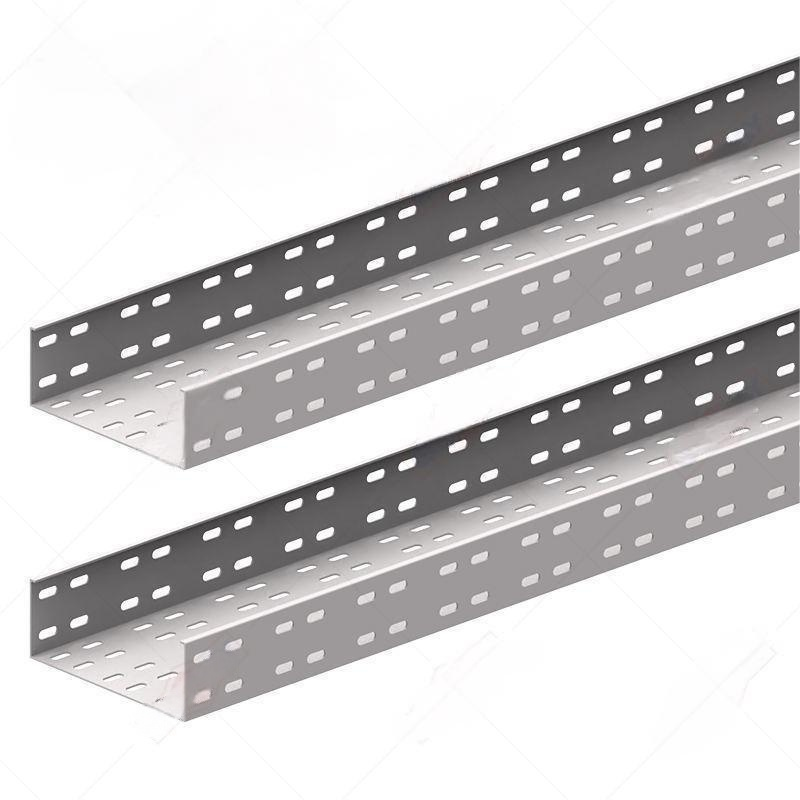
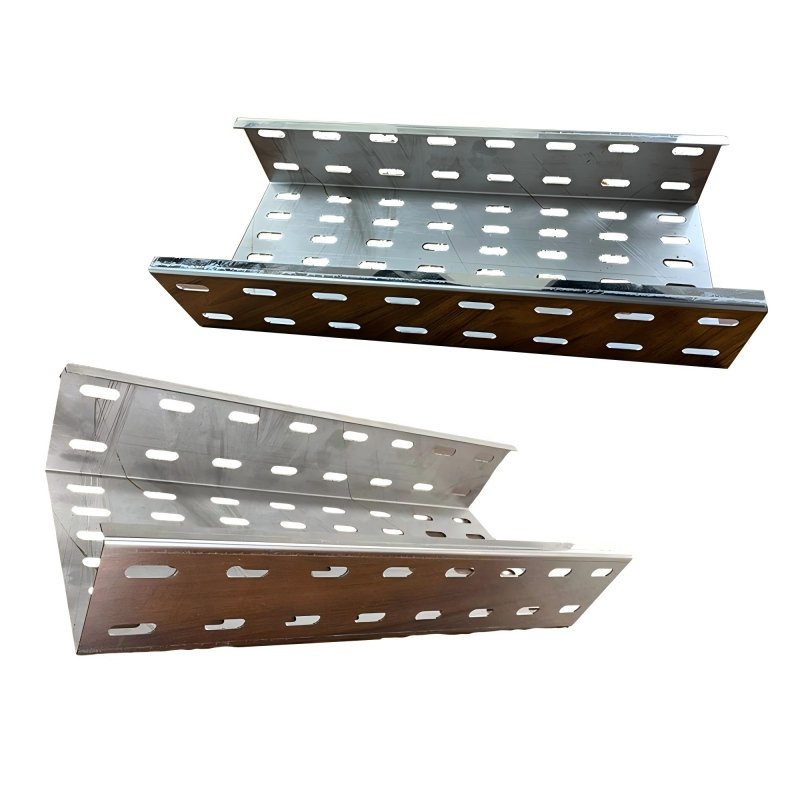
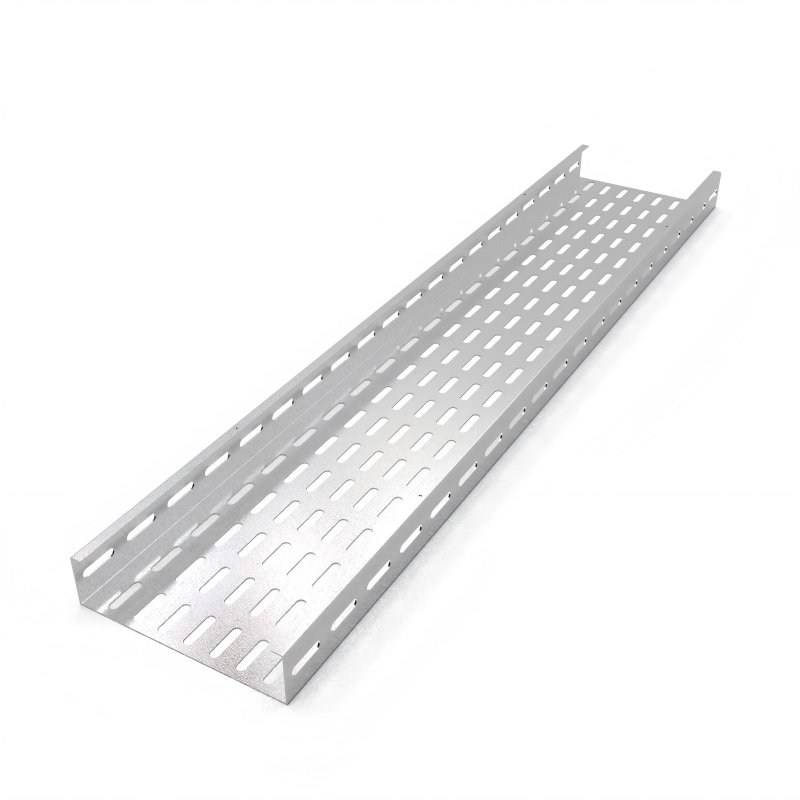
3.1. GI Perforated Cable Tray

Benefits of A GI Perforated Cable Tray has holes or slots on the bottom and side rails.

  • Good ventilation
  • Lightweight design
  • Easy cable fastening
  • Popular for indoor projects

3.2. GI Ladder Cable Tray

Benefits of A GI Ladder Cable Tray has two side rails connected by rungs.

  • Strong load capacity
  • Excellent airflow
  • Best for heavy power cables

3.3. GI Cable Trunking

Benefits of GI trunking is a fully enclosed tray system with a removable cover.

  • Better cable protection
  • Clean appearance
  • Ideal for offices and buildings

3.4. GI Wire Mesh Tray

Benefits of This tray uses steel wire mesh construction.

  • Lightweight
  • Flexible routing
  • Good for data cables

4.How Is GI Cable Tray Manufactured?

4.1 Raw Material

Most GI Cable Tray products are made from mild steel sheets or coils.

4.2 Forming Process

The steel is cut, punched, bent, and shaped into tray sections.

4.3 Galvanizing Process

The tray is coated with zinc using one of these methods:

4.4 Pre-Galvanized

Steel sheet is galvanized before forming.

4.5 Hot Dip Galvanized

Finished tray is dipped into molten zinc for thicker coating.

4.6 Electro Galvanized

A thinner zinc layer is applied through electroplating.

4.7 Final Inspection

A quality GI Cable Tray is checked for:

  • Thickness
  • Width
  • Straightness
  • Coating quality
  • Hole alignment
  • Load strength

5.1 Main Advantages of GI Cable Tray

5.1. Corrosion Resistance

The zinc coating helps a GI Cable Tray resist rust and moisture.

5.2. Cost Effective

Compared with stainless steel or aluminum systems, a GI Cable Tray is more economical.

5.3. Strong Mechanical Support

A GI Cable Tray can support multiple cables over long spans.

5.4. Easy Installation

Installers can quickly mount and connect tray sections.

5.5 Easy Maintenance

Cables remain visible and accessible for future changes.

5.6. Long Service Life

When properly installed, a GI Cable Tray can perform for many years.


6.Common Applications of GI Cable Tray

Industrial Buildings

Commercial Buildings

Data Centers

Infrastructure Projects

Outdoor Installations

7.How to Choose the Right GI Cable Tray

Consider Cable Load

Heavy cables need stronger tray thickness and supports.

Consider Environment

Outdoor or humid areas need better galvanizing protection.

Consider Tray Type

Use perforated, ladder, or trunking based on project needs.

Consider Size

Choose correct width and depth based on cable quantity.

Consider Standards

Select GI Cable Tray products made to recognized industry standards.

8.Common Sizes of GI Cable Tray

8.1 Standard Width and Height of GI Cable Tray

GI Cable Tray Width (mm)Side Height (mm)Common Thickness (mm)Typical Application
5025 / 501.0 – 1.2Small control cable runs
100501.0 – 1.5Light commercial wiring
15050 / 751.2 – 1.5Office and building projects
20050 / 751.2 – 2.0Mixed power and control cables
30075 / 1001.5 – 2.0Industrial cable routing
4501001.5 – 2.5Heavy cable installations
600100 / 1502.0 – 3.0Large industrial projects
750100 / 1502.0 – 3.0High-capacity cable systems
9001502.5 – 3.0Utility plants and infrastructure

8.2 Standard Length of GI Cable Tray

Standard LengthNotes
2.44 metersPopular export size
2.5 metersCommon project size
3 metersStandard industrial size
6 metersUsed for fewer joints in large projects

8.3 How to Select the Right GI Cable Tray Size

FactorRecommendation
Few small cables50 mm – 150 mm width
Medium cable quantity200 mm – 300 mm width
Large power cable systems450 mm – 900 mm width
Future expansion neededChoose next larger width
Heavy load applicationIncrease thickness and side height

Conclusion

A GI Cable Tray is a durable, economical, and efficient cable management solution used across industries worldwide. It supports cables safely, improves organization, and simplifies maintenance.

Whether you need a tray for factories, buildings, infrastructure, or outdoor use, a properly selected GI Cable Tray can deliver long-term value.

To summarize:

GI Cable Tray = galvanized steel cable support system

Strong and cost effective

Corrosion resistant

Easy to install and maintain

Available in perforated, ladder, trunking, and mesh types

If you are planning a new project, choosing the right GI Cable Tray can improve safety, reduce cost, and extend system life.

A GI Cable Tray is one of the most widely used cable management systems in commercial, industrial, and infrastructure projects. The term GI Cable Tray stands for Galvanized Iron Cable Tray, although in many industries it usually refers to galvanized steel trays used for supporting and routing electrical cables.

A GI Cable Tray helps organize power cables, control wires, and communication lines in a safe and efficient way. Instead of running cables randomly or inside multiple conduits, installers use a GI Cable Tray system to create a structured cable pathway.

Because of its strength, corrosion resistance, and affordable cost, the GI Cable Tray remains a preferred solution for contractors, engineers, and project owners worldwide.

In this guide, you will learn:

  1. What a GI Cable Tray is ?
  2. How a GI Cable Tray is made ?
  3. How many Types of GI Cable Tray ?
  4. GI Cable Tray Key advantages
  5. Common applications
  6. How to choose the right GI Cable Tray ?

1.What Does GI Mean in GI Cable Tray?

1.1 Meaning of GI

The term GI means Galvanized Iron. In practical industrial use, it often refers to galvanized steel products coated with zinc for corrosion protection.

A GI Cable Tray is manufactured from steel sheets or steel strips that are galvanized to prevent rust and increase service life.

1.2 Why Galvanizing Matters

Without galvanizing, ordinary steel can rust when exposed to moisture, chemicals, or outdoor weather. Zinc coating protects the tray surface and extends the life of the GI Cable Tray.

This makes a GI Cable Tray suitable for indoor and many outdoor environments.

2.What Is a GI Cable Tray Used For?

2.1 Main Purpose of GI Cable Tray

A GI Cable Tray is designed to support and manage cables safely. It creates an organized route for electrical wiring systems.

Instead of laying cables on floors or walls, a GI Cable Tray keeps cables elevated and protected.

2.2 Typical Cable Types Installed

A GI Cable Tray is commonly used for:

  • Power cables
  • Control cables
  • Instrumentation cables
  • Data cables
  • Communication lines
  • Fire alarm cables

2.3 Why Projects Need GI Cable Tray

Using a GI Cable Tray helps improve:

  • Safety
  • Maintenance access
  • Cable cooling
  • Installation speed
  • Professional appearance

3.Types of GI Cable Tray

3.1. GI Perforated Cable Tray

Benefits of A GI Perforated Cable Tray has holes or slots on the bottom and side rails.

  • Good ventilation
  • Lightweight design
  • Easy cable fastening
  • Popular for indoor projects

3.2. GI Ladder Cable Tray

Benefits of A GI Ladder Cable Tray has two side rails connected by rungs.

  • Strong load capacity
  • Excellent airflow
  • Best for heavy power cables

3.3. GI Cable Trunking

Benefits of GI trunking is a fully enclosed tray system with a removable cover.

  • Better cable protection
  • Clean appearance
  • Ideal for offices and buildings

3.4. GI Wire Mesh Tray

Benefits of This tray uses steel wire mesh construction.

  • Lightweight
  • Flexible routing
  • Good for data cables

4.How Is GI Cable Tray Manufactured?

4.1 Raw Material

Most GI Cable Tray products are made from mild steel sheets or coils.

4.2 Forming Process

The steel is cut, punched, bent, and shaped into tray sections.

4.3 Galvanizing Process

The tray is coated with zinc using one of these methods:

4.4 Pre-Galvanized

Steel sheet is galvanized before forming.

4.5 Hot Dip Galvanized

Finished tray is dipped into molten zinc for thicker coating.

4.6 Electro Galvanized

A thinner zinc layer is applied through electroplating.

4.7 Final Inspection

A quality GI Cable Tray is checked for:

  • Thickness
  • Width
  • Straightness
  • Coating quality
  • Hole alignment
  • Load strength

5.1 Main Advantages of GI Cable Tray

5.1. Corrosion Resistance

The zinc coating helps a GI Cable Tray resist rust and moisture.

5.2. Cost Effective

Compared with stainless steel or aluminum systems, a GI Cable Tray is more economical.

5.3. Strong Mechanical Support

A GI Cable Tray can support multiple cables over long spans.

5.4. Easy Installation

Installers can quickly mount and connect tray sections.

5.5 Easy Maintenance

Cables remain visible and accessible for future changes.

5.6. Long Service Life

When properly installed, a GI Cable Tray can perform for many years.


6.Common Applications of GI Cable Tray

Industrial Buildings

Commercial Buildings

Data Centers

Infrastructure Projects

Outdoor Installations

7.How to Choose the Right GI Cable Tray

Consider Cable Load

Heavy cables need stronger tray thickness and supports.

Consider Environment

Outdoor or humid areas need better galvanizing protection.

Consider Tray Type

Use perforated, ladder, or trunking based on project needs.

Consider Size

Choose correct width and depth based on cable quantity.

Consider Standards

Select GI Cable Tray products made to recognized industry standards.

8.Common Sizes of GI Cable Tray

8.1 Standard Width and Height of GI Cable Tray

GI Cable Tray Width (mm)Side Height (mm)Common Thickness (mm)Typical Application
5025 / 501.0 – 1.2Small control cable runs
100501.0 – 1.5Light commercial wiring
15050 / 751.2 – 1.5Office and building projects
20050 / 751.2 – 2.0Mixed power and control cables
30075 / 1001.5 – 2.0Industrial cable routing
4501001.5 – 2.5Heavy cable installations
600100 / 1502.0 – 3.0Large industrial projects
750100 / 1502.0 – 3.0High-capacity cable systems
9001502.5 – 3.0Utility plants and infrastructure

8.2 Standard Length of GI Cable Tray

Standard LengthNotes
2.44 metersPopular export size
2.5 metersCommon project size
3 metersStandard industrial size
6 metersUsed for fewer joints in large projects

8.3 How to Select the Right GI Cable Tray Size

FactorRecommendation
Few small cables50 mm – 150 mm width
Medium cable quantity200 mm – 300 mm width
Large power cable systems450 mm – 900 mm width
Future expansion neededChoose next larger width
Heavy load applicationIncrease thickness and side height

Conclusion

A GI Cable Tray is a durable, economical, and efficient cable management solution used across industries worldwide. It supports cables safely, improves organization, and simplifies maintenance.

Whether you need a tray for factories, buildings, infrastructure, or outdoor use, a properly selected GI Cable Tray can deliver long-term value.

To summarize:

GI Cable Tray = galvanized steel cable support system

Strong and cost effective

Corrosion resistant

Easy to install and maintain

Available in perforated, ladder, trunking, and mesh types

If you are planning a new project, choosing the right GI Cable Tray can improve safety, reduce cost, and extend system life.

Please send your inquiry here, if you need cable tray, thanks.

Hi everyone! I’m Sophia, the founder and CEO of KMS Laser.

I’ve been in the beauty equipment industry for 15 years and started this company in Guangzhou, China, to bring reliable, high-quality beauty devices to clients around the world.

As a female entrepreneur and a mom of two, I know how challenging it can be to juggle work and family. But qualities like care, empathy, and responsibility help me truly understand what customers need and how to support them better.

Here, I’ll be sharing simple insights and real experiences from my journey. If you’re curious about beauty device sourcing, market trends, or possible cooperation, feel free to reach out anytime!

No worries, no email required!

Please send your inquiry here, if you need any cable tray, thanks.