Hot dipped galvanized cable trunking keeps failing buyers who choose the wrong finish. I have seen rusted trunking replaced within three years — a costly mistake our Tai’an production line helps clients avoid.
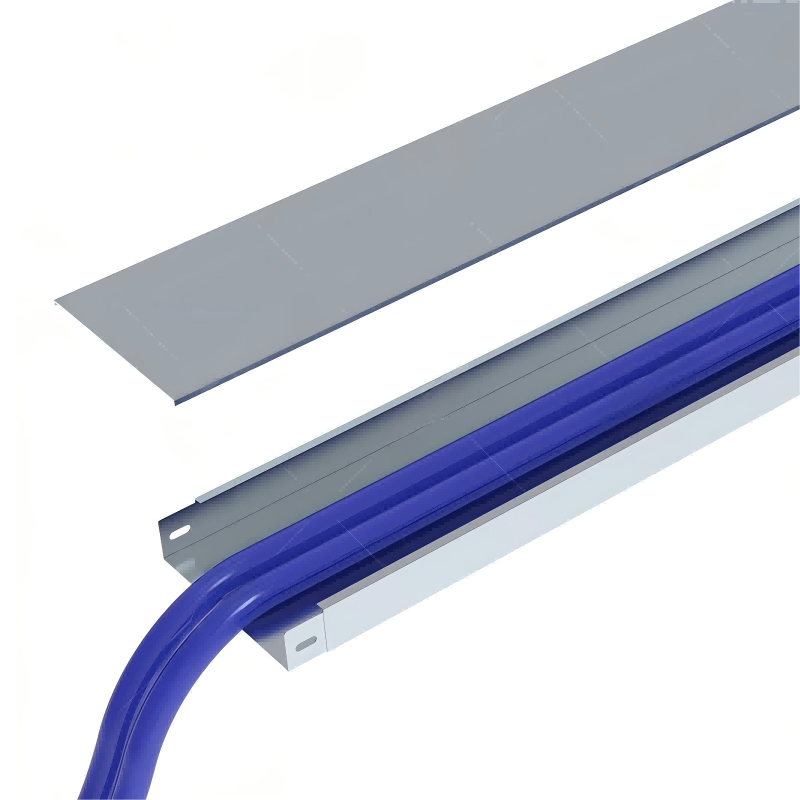
Hot dipped galvanized cable trunking is a fully enclosed steel channel — base, two side walls, and a cover — that is immersed in molten zinc after fabrication. The thick, metallurgically bonded zinc coating protects cables from corrosion in harsh, humid, and industrial environments.
That is the short answer. But the details matter when you are specifying for a real project. Let me walk you through how it works, how it compares, and how to source it well.
How Does Hot Dip Galvanizing Improve Cable Trunking Durability?
One lesson from our export shipments to Southeast Asia: coastal humidity destroys ordinary steel fast. That is exactly why we push hot dip galvanizing for any trunking heading to Singapore or the Philippines.
Hot dip galvanizing immerses finished steel trunking in a molten zinc bath at about 450°C. The zinc reacts with the steel to form bonded zinc-iron alloy layers, typically over 65 microns thick, giving decades of corrosion resistance with virtually no maintenance.
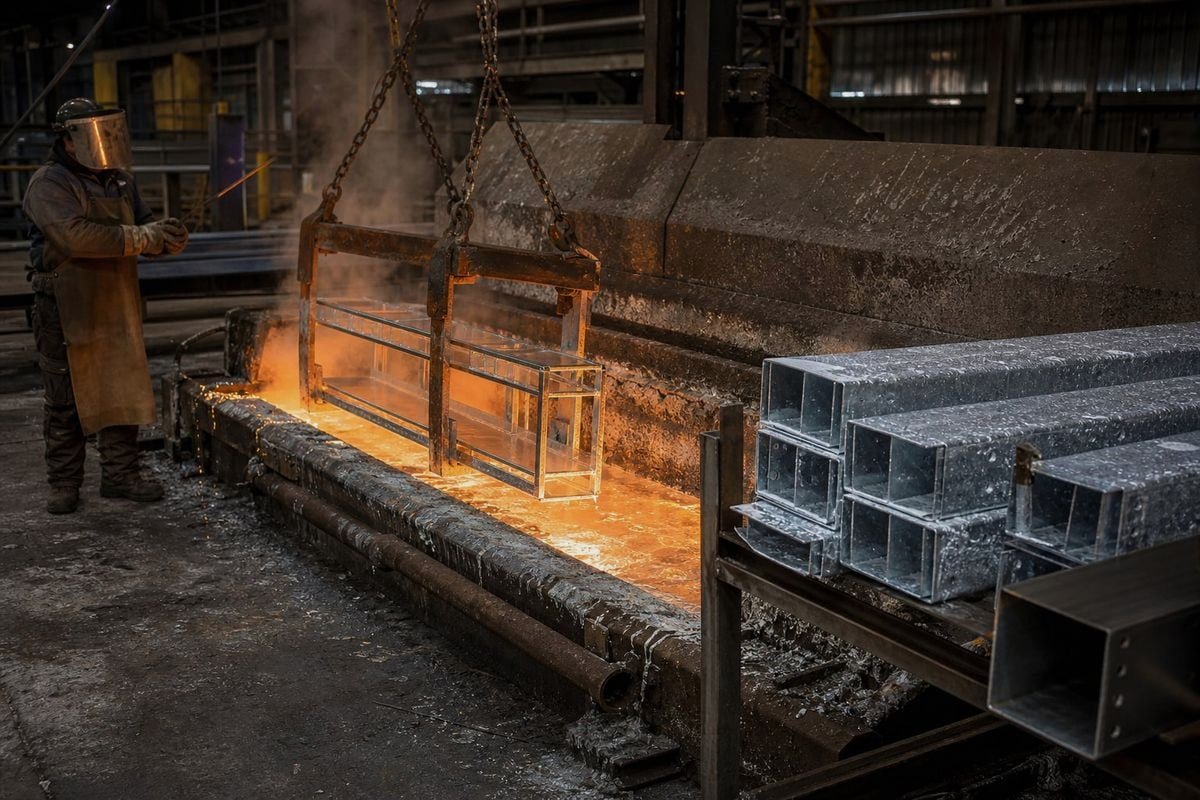
The key word here is “reacts.” This is not paint. It is not a thin plating either. During immersion, the molten zinc bonds with the steel at a metallurgical level. The result is a coating that cannot flake off the way paint does.
The Process, Step by Step
- Surface preparation. The fabricated trunking is cleaned and degreased so the zinc can bond properly.
- Immersion. The whole finished part goes into the molten zinc bath at roughly 450°C.
- Reaction. Zinc-iron alloy layers form on the steel, topped by an outer layer of pure zinc.
- Withdrawal and cooling. The part is removed, drained, and cooled, leaving a uniform protective shell.
Because the complete part is dipped, the zinc reaches everywhere — cut edges, weld seams, bolt holes, and interior corners. Lighter zinc finishes simply cannot match that coverage.
Why the Zinc Layer Lasts So Long
The zinc coating thickness usually falls between 45 and 100 microns. On our own trunking, we target above 65 microns for corrosive sites. Zinc also provides sacrificial protection 1: if the surface gets scratched, the surrounding zinc corrodes first and shields the exposed steel. That is why the service life expectancy of hot dipped galvanized trunking runs 25 to 50 years with almost no upkeep. For long-term infrastructure, that low maintenance lifecycle is what makes the higher upfront cost worth paying.
What Makes Hot Dipped Galvanized Cable Trunking Different from Pre-Galvanized Options?
A buyer in Thailand once asked me why two “galvanized” quotes differed by thirty percent. The answer sat in one word: when the zinc goes on. Timing changes everything about performance.
Pre-galvanized trunking is made from steel coated before fabrication, so cut edges and punched holes remain unprotected. Hot dipped galvanized trunking is coated after fabrication, producing a thicker, fully bonded zinc layer that seals every edge, weld, and hole.
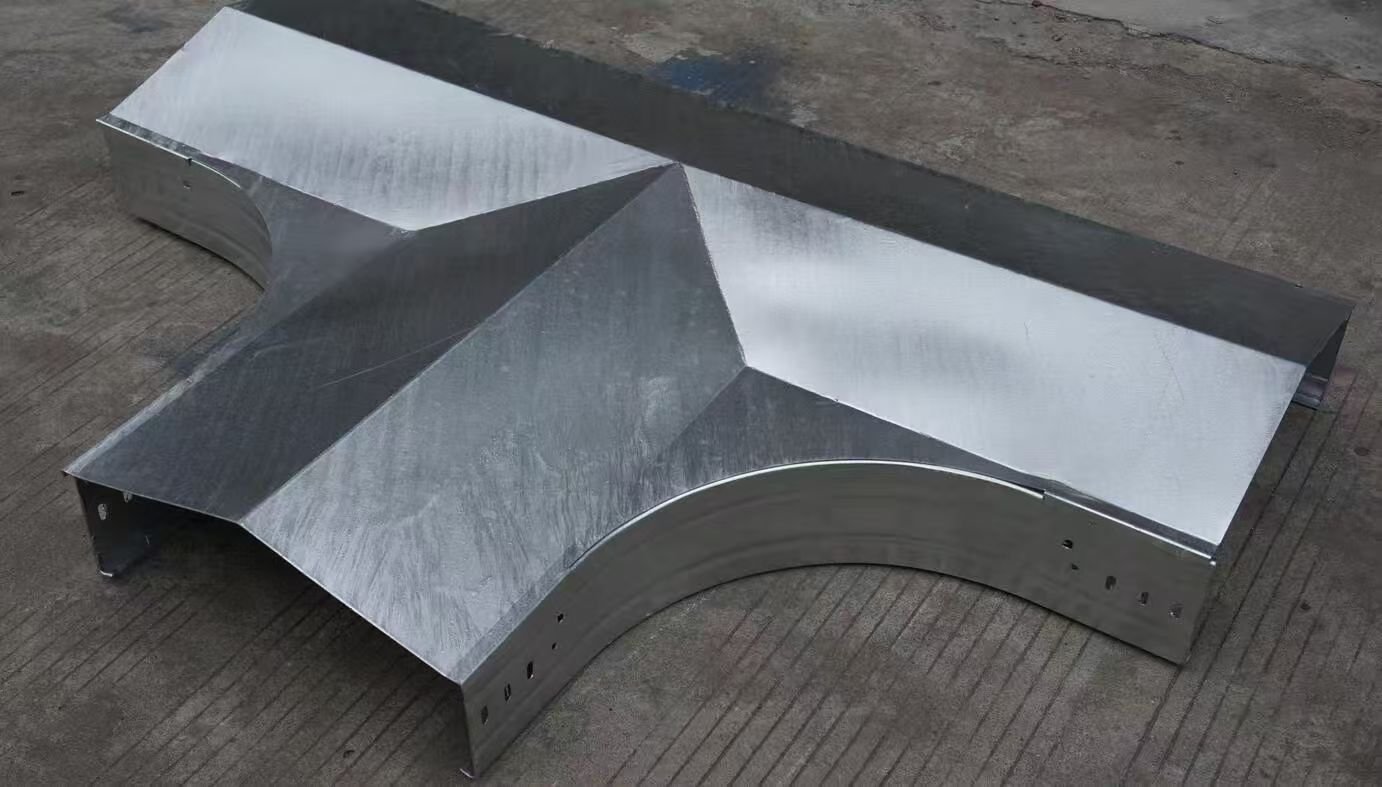
The pre-galvanized vs hot-dipped question comes up in almost every project inquiry we handle. Here is the comparison at a glance:
| Feature | Hot Dipped Galvanized | Pre-Galvanized | Electrogalvanized |
|---|---|---|---|
| Coating applied | After fabrication | Before fabrication (mill) | After fabrication (electroplating) |
| Typical zinc coating thickness | 45–100 microns | ~10–20 microns | ~5–12 microns |
| Edge and weld protection | Full coverage | Exposed cut edges | Thin coverage |
| Surface finish | Rough, crystalline | Smooth, uniform | Smooth, bright |
| Suitable environments | C4–C5, outdoor, coastal | Indoor, dry | Indoor, dry |
| Service life expectancy | 25–50 years | 5–15 years indoors | Shorter, indoor only |
Where Each Finish Makes Sense
I will be honest with buyers: hot dipped galvanized is not always the right choice. For a dry, air-conditioned office ceiling, pre-galvanized trunking works fine and costs less. The problem starts when specifiers use it outdoors or in humid plants to save budget. Rust begins at the cut edges, then spreads.
There is also a nuance worth knowing. The rough crystalline surface of HDG can trap fine particulates more easily than smooth pre-galvanized finishes. In pharmaceutical or semiconductor cleanrooms, where air purity is critical, that texture becomes a real drawback — stainless steel or smooth finishes often win there. And an emerging option, ZAM (zinc-aluminum-magnesium) coated steel, offers comparable corrosion resistance 2 with a smoother finish and self-healing cut edges. We quote ZAM on request, but for classic harsh environment protection, HDG remains the proven standard specified in most tenders we see.
Which Applications Are Best Suited for Hot Dipped Galvanized Cable Trunking?
The trunking’s fully enclosed shape is what I always explain first. A base plate and two side walls form a channel, and a cover closes it into a complete rectangular duct. Cables inside are fully wrapped and protected.
Hot dipped galvanized cable trunking suits control, signal, and communication cables in corrosive settings — chemical plant control rooms, coastal low-voltage systems, water treatment sites, and dusty or damp industrial areas. Its enclosed structure blocks dust, water, pests, and electromagnetic interference.
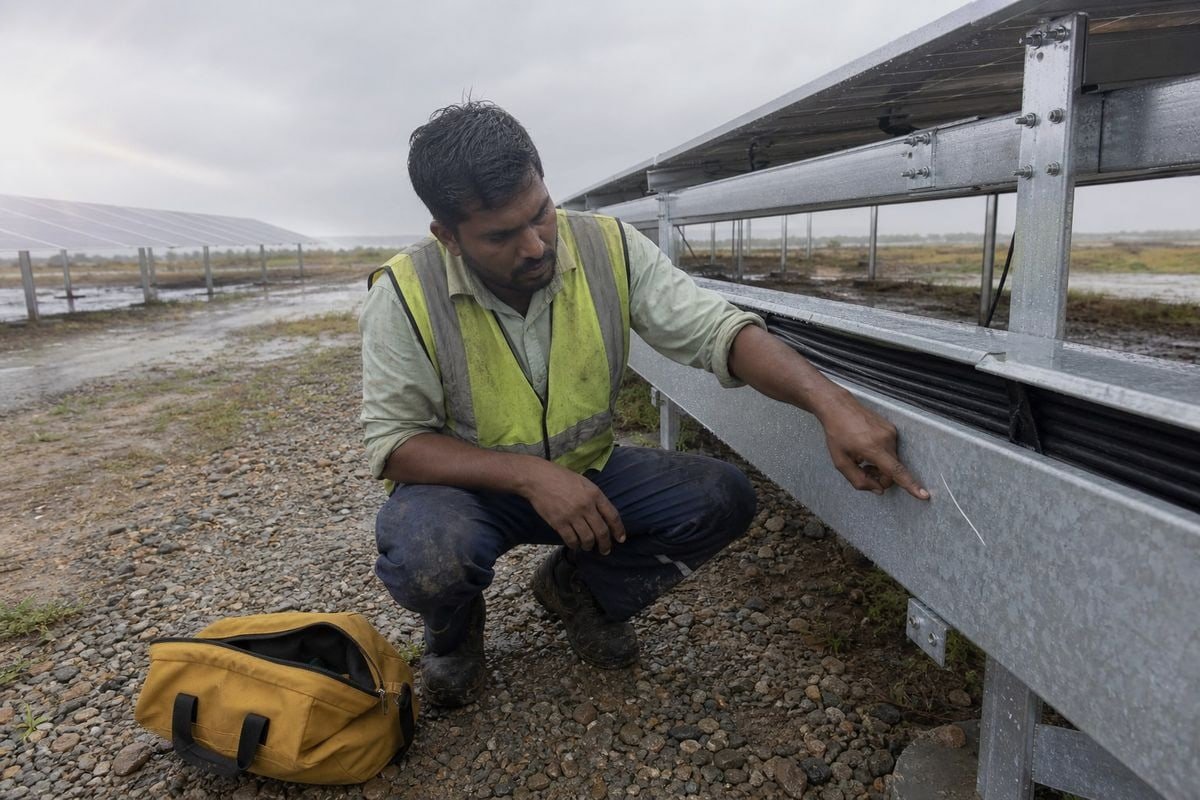
That enclosed structure directly determines its best use cases. The core advantage is protection: full enclosure keeps out dust, water, and small animals, and physically shields cables from accidental contact. The dense zinc-iron alloy layers also provide useful EMI shielding 3 — better than thinner electroplated coatings — which matters for sensitive data and signal cables running near high-voltage equipment.
But there is a trade-off, and I raise it with every EPC client. The same enclosure that protects cables also limits heat dissipation. Trunking dissipates heat far worse than a cable ladder. So it fits low-heat cables best: computer cables, communication cables, and signal control lines. Heavy power cables belong on ladders.
Trunking or Ladder? A Quick Selection Guide
| Your Situation | Choose Hot Dipped Trunking | Choose Hot Dipped Cable Ladder |
|---|---|---|
| Cable type | Sensitive control and signal cables | Large-diameter power cables |
| Heat load | Low | High, needs ventilation |
| Protection need | Dust, water, EMI, physical contact | Flexible cable entry and fixing |
| Typical site | Chemical plant control room, coastal ELV system | Large distribution room, outdoor cable route |
Wibe, a well-known European brand, lists HDG as its standard solution for C4 high-corrosion environments in its catalog — and that matches what we see in tender specifications across Southeast Asia and South America. Solar farms, water treatment plants, hospitals, and factories all specify this outdoor electrical containment class when moisture, salt spray, or mild chemical exposure is present. HDG steel also keeps its structural rigidity at elevated temperatures, unlike PVC, which allows wider support spans without sagging in hot industrial cable tray systems.
How Can I Ensure Consistent QC When Sourcing Hot Dipped Galvanized Cable Trunking?
Quality control is the pain point I hear most from project directors. One client resold trunking into a Singapore project and told me a previous supplier’s batches varied so much that site inspectors rejected an entire container.
Consistent QC requires verifying zinc coating thickness against BS EN ISO 1461 or ASTM A123, checking coating adhesion and uniformity, inspecting dimensional tolerances and cover fit, and demanding batch test reports plus pre-shipment inspection before goods leave the factory.
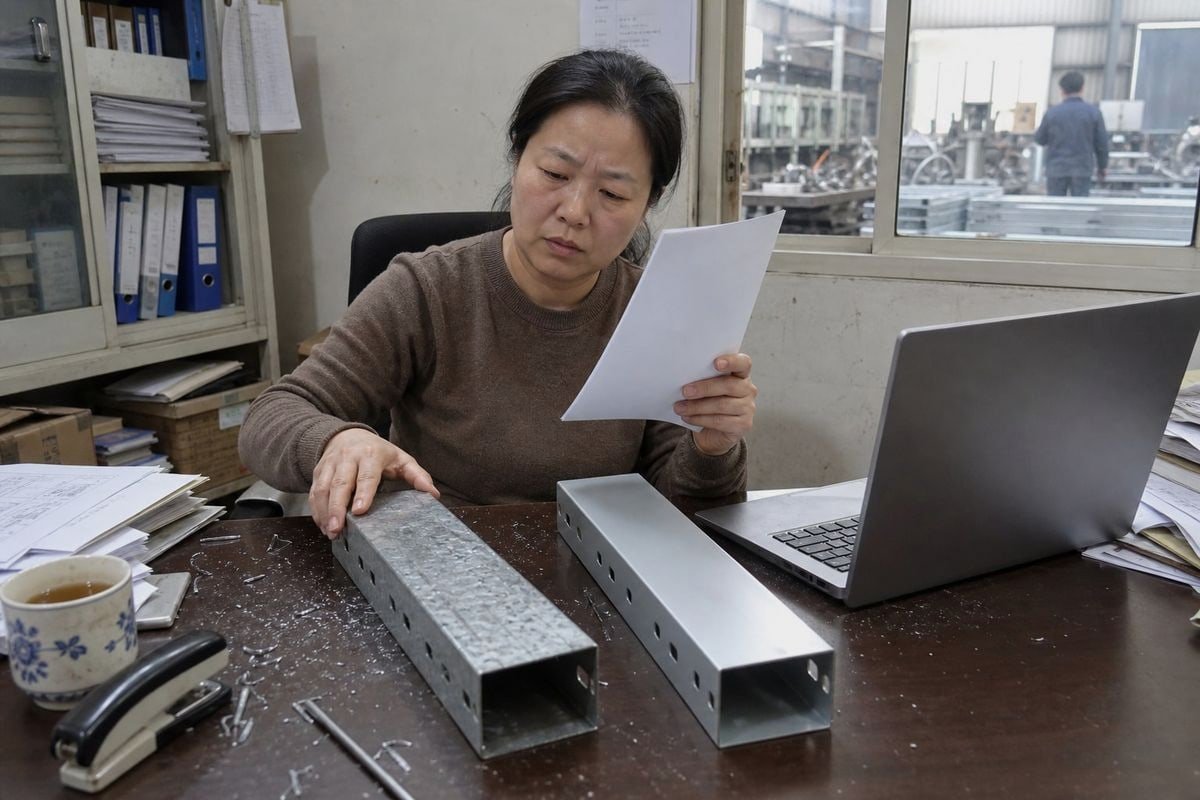
At our workshop in Tai’an, we built our QC checklist around the failures buyers complain about: delivery delays, inconsistent coating, and returns. Standards are the backbone. BS EN ISO 1461, ISO 1461, BS729, and ASTM A123 all define minimum coating requirements, and any serious supplier should test against one of them and show the numbers.
A Practical QC Checklist for Buyers
| Check Point | What to Verify | Acceptance Reference |
|---|---|---|
| Zinc coating thickness | Magnetic gauge readings at multiple points | ≥65 μm typical for C4; per BS EN ISO 1461 / ASTM A123 |
| Coating adhesion | No flaking or peeling at bends | Standard adhesion test |
| Surface quality | No bare spots, minimal excessive drips or ash | Visual inspection per standard |
| Dimensions | Width, height, wall thickness, hole spacing | Project drawings and tolerances |
| Cover fit | Lid slides and seats securely on the channel | Assembly trial |
| Documentation | Batch test reports, material certificates | Supplied before shipment |
Beyond the Checklist
Ask for thickness readings taken across the batch, not from one sample. Coating varies with steel chemistry and dipping practice, so multi-point measurement catches inconsistency early. For our OEM and ODM clients, we agree on the standard, tolerances, and inspection method at the quotation stage — in writing. We also photograph gauge readings during pre-shipment inspection and send them by WhatsApp, because most of our project-director clients want proof before the container seals, not after it arrives. This one habit has done more to prevent returns than anything else we do in industrial cable management supply.
Conclusion
Hot dipped galvanized cable trunking gives enclosed, corrosion-proof cable protection for harsh sites. Match it to low-heat signal cables, verify coating standards, and demand batch-level QC evidence.
Footnotes
- Explains the electrochemical process where zinc protects the underlying steel from corrosion. ↩︎
- Official ISO standard page for hot dip galvanized coatings on fabricated iron and steel articles. ↩︎
- Provides technical context on how metal enclosures protect sensitive signal cables from interference. ↩︎