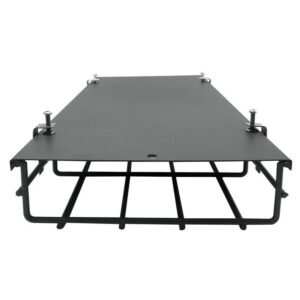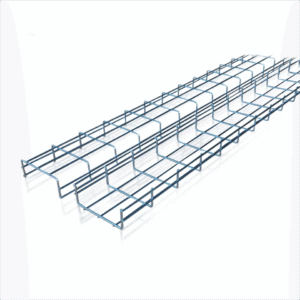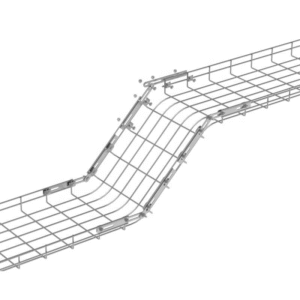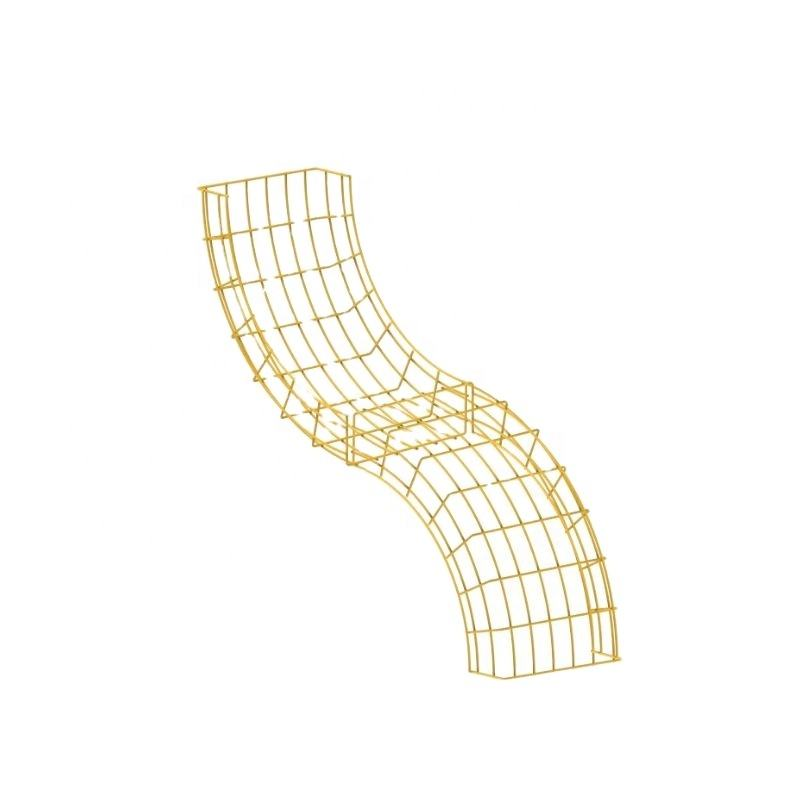
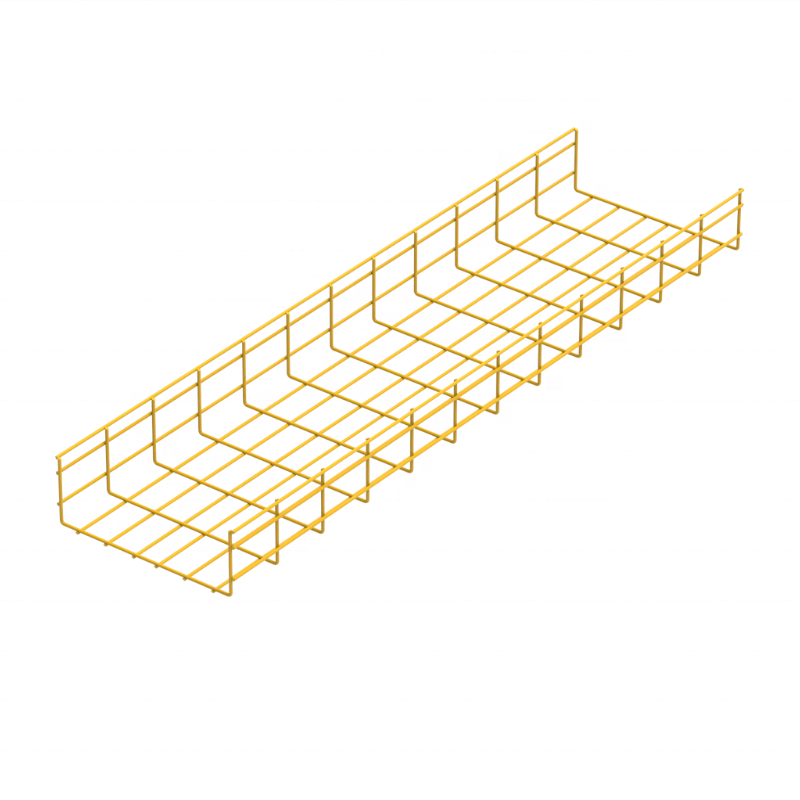
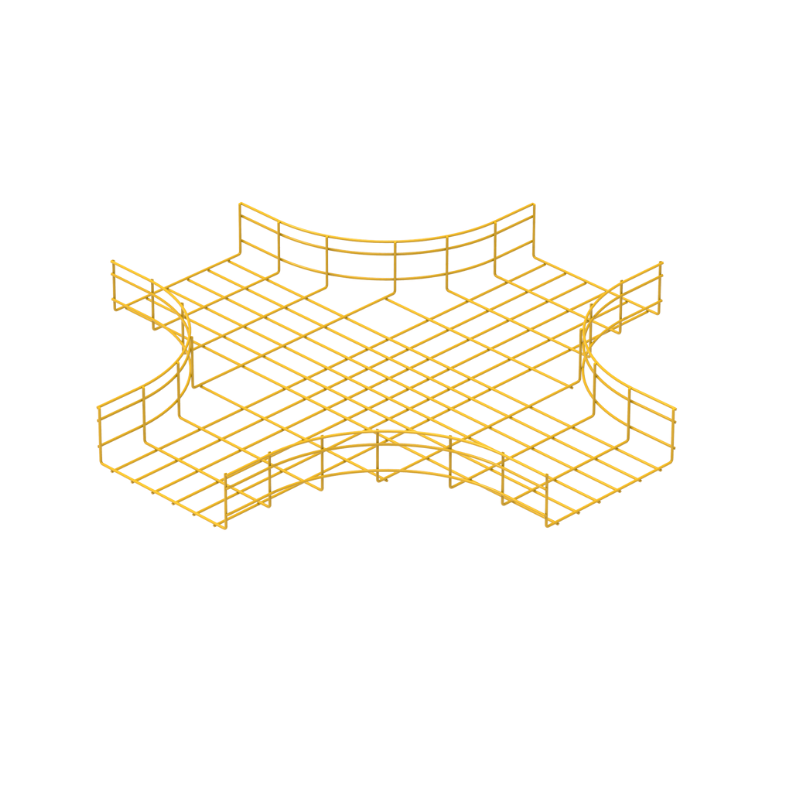
A Powder Coated Wire Mesh Cable Tray-Yellow is a cable tray system made from wire mesh and finished with a durable yellow powder coating. It is designed to support, route, and organize electrical and communication cables in a safe and efficient way. The wire mesh structure provides natural ventilation, helping cables dissipate heat more effectively than closed or fully solid supports.
The yellow powder coating is not only for a bright, high-visibility look. Powder coating creates a protective film on the metal surface. This film helps resist corrosion, moisture exposure, and everyday wear. In many sites, cable tray systems need to keep their appearance and performance over years of operation. A quality Powder Coated Wire Mesh Cable Tray-Yellow helps meet those expectations.
Yellow is widely used for visual coding in industrial and MEP systems. It can help:
In practical projects, clearer identification often reduces troubleshooting time. That can lower downtime and improve safety.
Wire mesh cable trays offer several practical features:
When combined with a protective powder coating, the Powder Coated Wire Mesh Cable Tray-Yellow becomes a robust and reliable option for many environments.
| Parameter | Specification |
|---|---|
| Product Name | Powder Coated Wire Mesh Cable Tray (Yellow) |
| Material | Carbon Steel / Stainless Steel (Optional) |
| Surface Finish | Yellow Powder Coated |
| Wire Diameter | 3.5mm – 10.0mm |
| Width | 33mm – 1200mm |
| Height | 33mm – 300mm |
| Length | 3000mm (Standard) / Custom |
| Load Capacity | Light to Medium Duty |
| Coating Thickness | 60–100 μm |
| Color | Yellow (RAL1023 / RAL1003) / Custom Colors |
| Installation Type | Wall / Ceiling / Raised Floor |
| Application | Factories, Warehouses, Safety Zones, Industrial Plants |
| Standards | IEC / NEMA / ISO |

When you invest in cable management, you want more than a basic structure. You want a system that improves safety, reduces maintenance, supports clean design, and lasts. The Powder Coated Wire Mesh Cable Tray-Yellow offers multiple advantages for modern cable installations.
3.1 High Visibility and Visual Organization
Yellow improves visibility in the field. This matters during:
Yellow can also support circuit identification and labeling standards. For example, some projects use color coding to separate:
A Powder Coated Wire Mesh Cable Tray-Yellow helps create a clearer system layout, which can reduce errors on site.
3.2 Durable Protective Powder Coating
Powder coating provides a protective barrier that helps reduce corrosion risk. It is especially useful where cable trays are exposed to:
Compared with uncoated or minimal-finish metal trays, a powder coated finish typically helps extend service life. That can reduce replacement frequency and overall lifecycle cost.
3.3 Natural Ventilation for Cable Health
Wire mesh trays allow airflow around cables. This can help:
In facilities with active electrical loads, ventilation helps cable systems perform more reliably. It also helps technicians inspect cables without removing large covers.
3.4 Strong Structural Support and Cable Stability
The wire mesh design provides stable support across the tray surface. Side rails and mesh pattern help distribute cable load more evenly. This supports:
For large-scale cable systems, stable support is essential for a professional installation outcome.
3.5 Efficient Installation and Easy System Expansion
Cable tray systems often need extensions and route changes. Mesh trays combined with compatible accessories allow:
A Powder Coated Wire Mesh Cable Tray-Yellow solution is suitable for both new installations and upgrades.
3.6 Cleaner Appearance Over Time
A bright yellow powder coated finish can maintain a professional look. It helps projects achieve a neat cable layout and improves visual quality in inspection-ready areas.
In addition, powder coating can hide minor surface marks better than some light-colored finishes. That keeps the overall installation appearance more consistent.
3.7 Maintenance-Friendly for Technicians
Cable trays are built for access. Wire mesh trays are easy to inspect because cables are visible and airflow is available. Technicians can:
A well-organized tray layout reduces downtime. This is one of the most important advantages in real projects.
3.8 Broad Application Compatibility
A Powder Coated Wire Mesh Cable Tray-Yellow can be applied in many sectors:
Its combination of ventilation, protection, and visual clarity makes it a versatile option.
A Powder Coated Wire Mesh Cable Tray-Yellow is used to route and support cables safely and neatly. It organizes cables across floors, ceilings, and equipment areas. It can also support cable segregation layouts where different cable types require separate pathways.
Below are the most common uses.
4.1 Industrial Facilities and Manufacturing Lines
Factories use cable trays to support:
A bright yellow finish helps technicians identify routes faster. The powder coating adds protection for industrial environments where dust and moisture may be present.
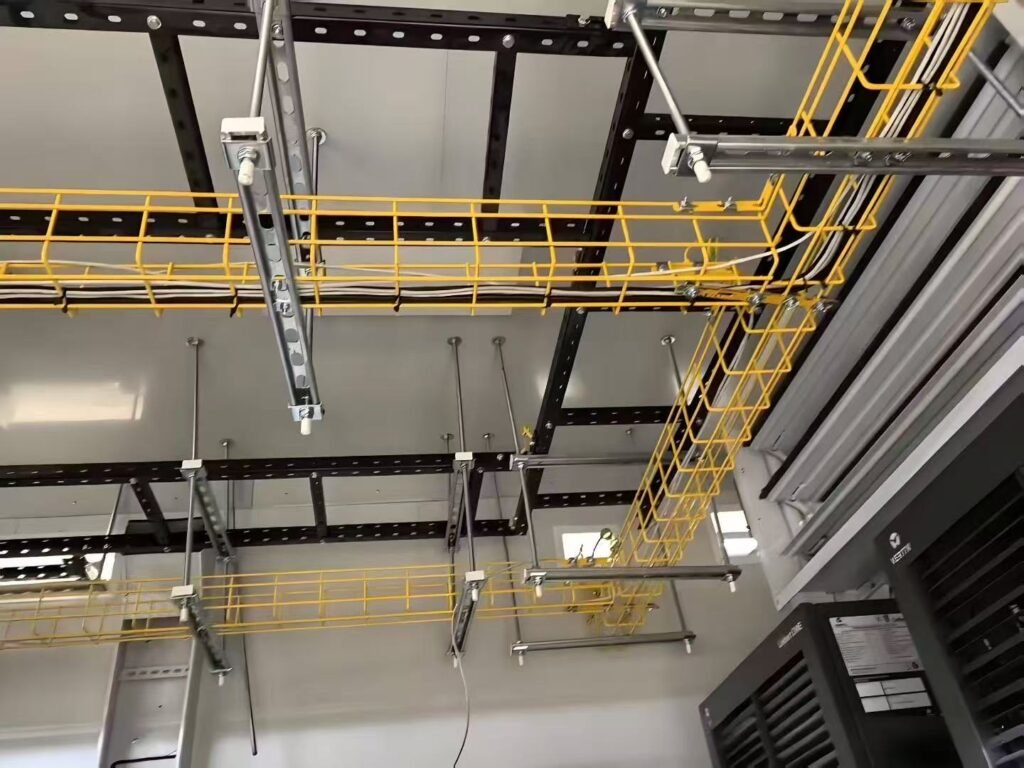
4.2 Electrical Rooms and MEP Backbone Systems
In many buildings, cable trays form the main distribution network. They connect:
The Powder Coated Wire Mesh Cable Tray-Yellow helps keep this backbone organized and easy to inspect.
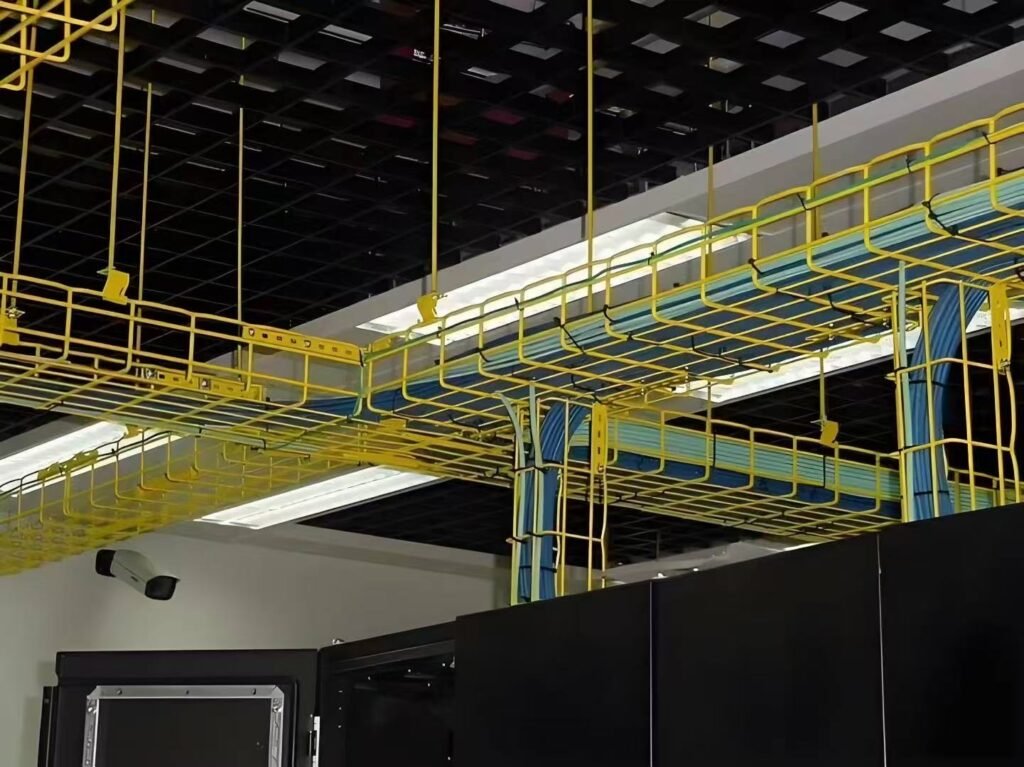
4.3 Data Centers and Telecom Spaces
Modern facilities require organized data cabling. Cable trays are used to route:
The ventilated mesh design supports cable environment management. The yellow color can be used as a coding tool in complex cable networks.
4.4 Warehouses, Logistics Centers, and Large Storage Buildings
Warehouses include:
Cable trays keep wiring protected and organized. The powder coated finish can help resist corrosion in typical warehouse exposure conditions, while the mesh structure supports ventilation.
4.5 Renewable Energy and Utility Projects
Some renewable and utility projects use cable tray systems for:
If your project includes outdoor exposure, confirm corrosion and environmental requirements during selection.
4.6 Hospitals and Safety-Critical Facilities (Project Dependent)
Safety-critical facilities need organized cable systems that are easy to maintain. Cable trays help:
Yellow visual identification can also support fast route tracing during maintenance.
Q1: What is a wire mesh cable tray?
A wire mesh cable tray is a cable support system made of mesh wire with side rails. Cables sit on the mesh structure for support and routing. The mesh allows ventilation around cables.
Q2: What does “Powder Coated” mean?
Powder coated means the tray surface is coated with dry powder and then cured with heat. This creates a protective layer that helps resist corrosion and enhances durability.
Q3: Why choose the yellow color?
Yellow can improve visibility and help with cable identification. Many projects use color coding to organize different cable types or routes. It also gives the installation a clean and modern look.
Q4: Is the yellow powder coating durable?
A quality powder coating is designed for long-term use. Durability depends on coating quality, installation handling, and environmental conditions. Proper installation and careful handling help maintain the coating.
Q5: Can this tray be used for both power and data cables?
Yes, in most projects wire mesh cable trays can support both power and communication cables. However, segregation rules may apply based on local standards and design requirements.
Q6: How do I select the correct tray width?
Select the width based on:
For accurate selection, refer to your project cable schedule and engineering guidelines.
Q7: Does it come with accessories?
A full system can include accessories such as connectors, hangers, bends, tees, and lids. Availability depends on the supplier and your project requirements.
Q8: What are common installation methods?
Common methods include:
Always follow installation instructions and engineering drawings.
Q9: How can I maintain a powder coated tray?
Regular cleaning with non-abrasive methods is usually enough. Avoid abrasive tools that can scratch coating. Handle trays carefully during installation to reduce coating damage.
Q10: Will the powder coating peel or crack?
Proper coating adhesion is designed to resist peeling under normal installation and service conditions. Coating damage usually comes from improper handling, severe impact, or incorrect cutting/repair practices. Following installation procedures helps prevent issues.
Q11: Is it suitable for outdoor use?
Some projects use cable trays outdoors, but suitability depends on environmental exposure. For outdoor installation, confirm coating performance, corrosion grade, and additional protective design requirements.
Q12: What if I need custom sizes or special mesh?
Many manufacturers can offer custom sizes based on order requirements. Customization may include tray width, length, wire gauge, and coating color. Confirm details early in the quoting process.
Q13: What is the advantage of wire mesh over solid trays?
Wire mesh provides ventilation. It can also make cables easier to inspect. Solid trays may reduce ventilation. The right choice depends on your cable type, environment, and design goals.
Q14: How do I prevent cable stress during routing?
Use correct tray support spacing, plan bends and transitions carefully, and avoid sharp cable bends. Proper system design helps reduce cable tension and improves long-term reliability.
A Powder Coated Wire Mesh Cable Tray-Yellow combines three key benefits: ventilation, durable protective coating, and high-visibility yellow identification. It helps keep cable systems organized, supports safe cable routing, and improves maintenance efficiency. Whether you are building an industrial facility, a telecom infrastructure, or a commercial MEP network, this tray solution can support a clean, reliable cable management layout.
If you want a cable tray system that performs well and looks professional, the Powder Coated Wire Mesh Cable Tray-Yellow is a strong choice.
Ready to plan your next cable management project with Powder Coated Wire Mesh Cable Tray-Yellow? Contact us today to request a quote, confirm available sizes, and get technical support for your design. Share your tray width, length, quantity, support spacing, and route details—we’ll recommend the best configuration for your installation.