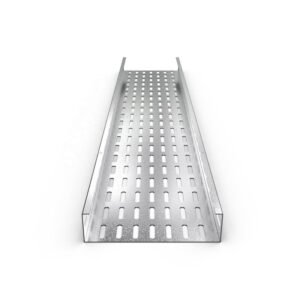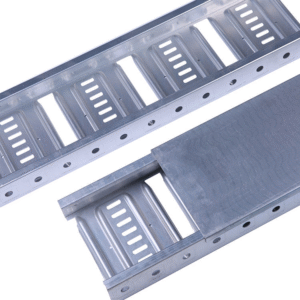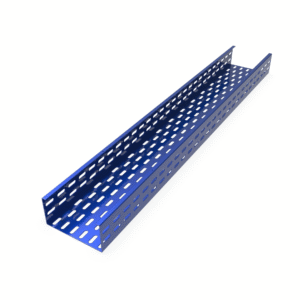
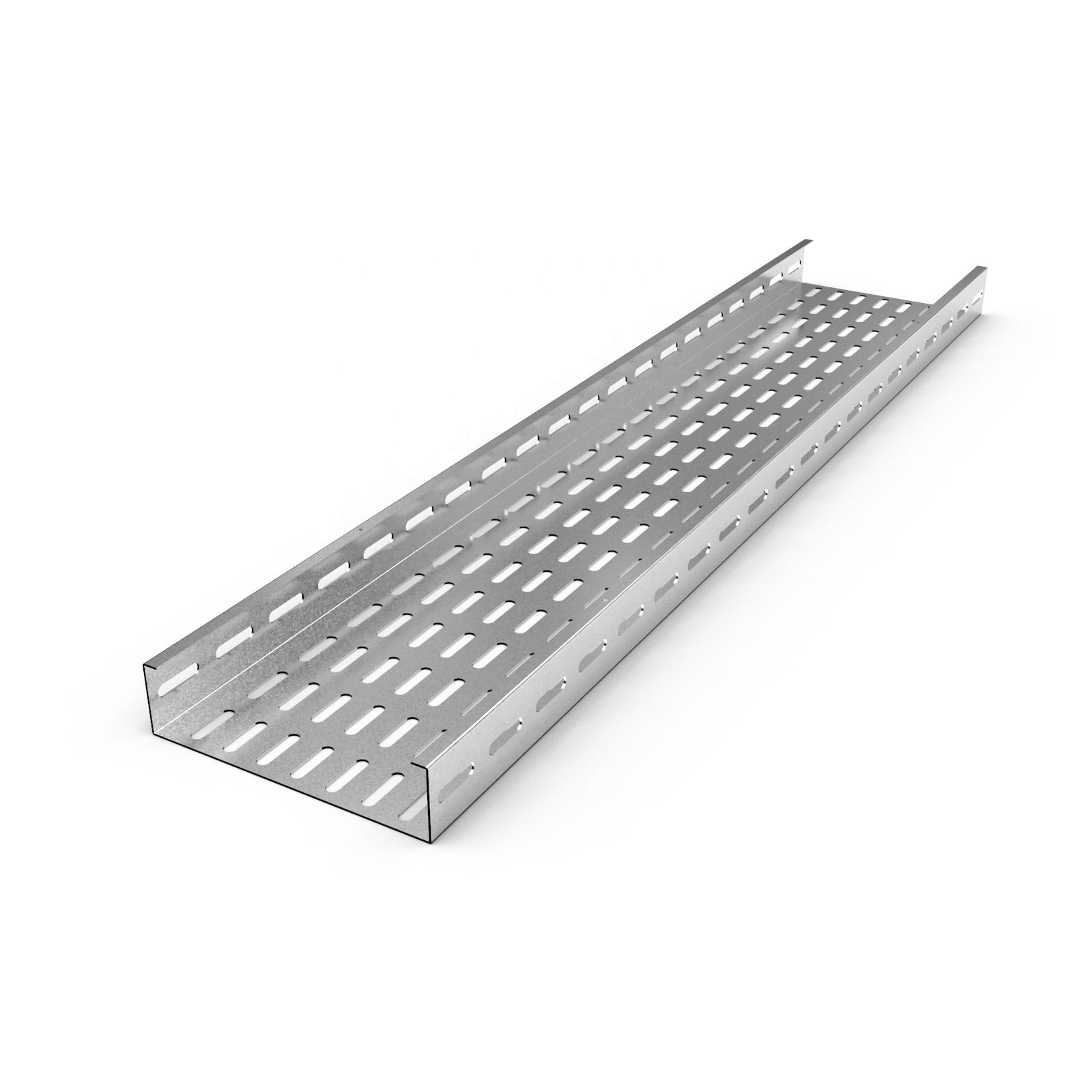

High-quality GI Perforated Cable Tray for efficient cable management. Durable, ventilated, cost-effective solution for industrial and commercial projects.
In modern electrical and infrastructure projects, cable management systems must meet increasingly demanding requirements. Engineers, EPC contractors, and project owners are looking for solutions that provide durability, efficient heat dissipation, easy installation, and long-term cost efficiency.
This is where the GI Perforated Cable Tray plays a critical role.
A GI Perforated Cable Tray is widely used in commercial buildings, industrial plants, data centers, and infrastructure projects because it offers an ideal balance between strength, ventilation, and cost-effectiveness. Compared with ladder-type trays or closed trunking systems, the GI Perforated Cable Tray provides controlled airflow through its perforated base, helping to dissipate heat while still offering sufficient support and protection for cables.
Manufactured from galvanized iron (GI), this system provides reliable corrosion resistance under indoor or moderately exposed environments. Its structured design allows for organized cable routing, simplified maintenance, and flexible installation.
For project buyers and contractors, choosing the right GI Perforated Cable Tray means improved cable performance, reduced maintenance costs, and a more efficient installation process.
A GI Perforated Cable Tray is a cable management system made from galvanized iron sheets that are processed into a tray structure with evenly distributed perforations along the base and side walls.
These perforations are not only a design feature but also a functional advantage. They allow for:
The material used—galvanized iron—ensures that the GI Perforated Cable Tray has a protective zinc layer that resists corrosion and oxidation in normal indoor conditions.
Compared with ladder-type cable trays, the GI Perforated Cable Tray provides better support for smaller cables and prevents cable sagging. Compared with cable trunking, it offers better ventilation and easier inspection.
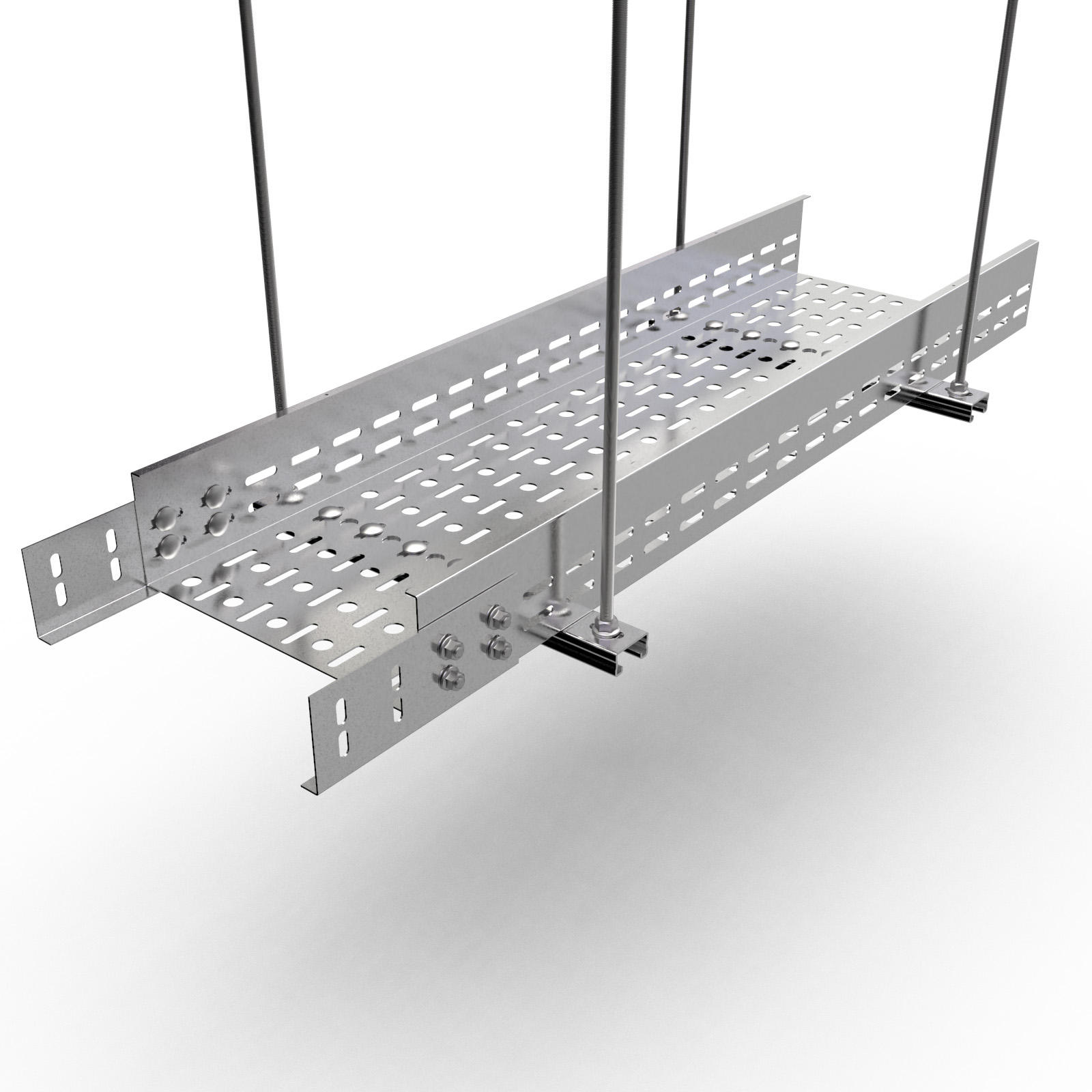
The system is modular, meaning it can be easily assembled and adapted on-site. This flexibility is highly valued in large-scale projects where routing paths may change during installation.
Because of its versatility, the GI Perforated Cable Tray is one of the most commonly specified cable management solutions in electrical engineering design.
| Parameter | Specification |
|---|---|
| Product Name | GI Perforated Cable Tray |
| Material | Galvanized Iron (GI) Steel |
| Surface Finish | Pre-galvanized / Electro-galvanized |
| Zinc Coating Thickness | 8–20 μm (Typical) |
| Thickness | 0.8 mm – 3.0 mm |
| Width | 50 mm – 1000 mm |
| Height | 25 mm – 300 mm |
| Length | 3000 mm Standard (Custom Available) |
| Perforation Type | Round Hole / Slot Hole |
| Hole Pattern | Uniform Distribution for Ventilation |
| Load Capacity | Light to Medium Duty |
| Surface Type | Smooth / Corrosion Resistant |
| Installation | Wall Mounted / Ceiling Suspended / Floor Mounted |
| Accessories | Bends, Tees, Reducers, Covers, Couplers |
| Application | Commercial Buildings, Data Centers, Industrial Facilities |
| Standard | IEC 61537 / NEMA VE-1 |

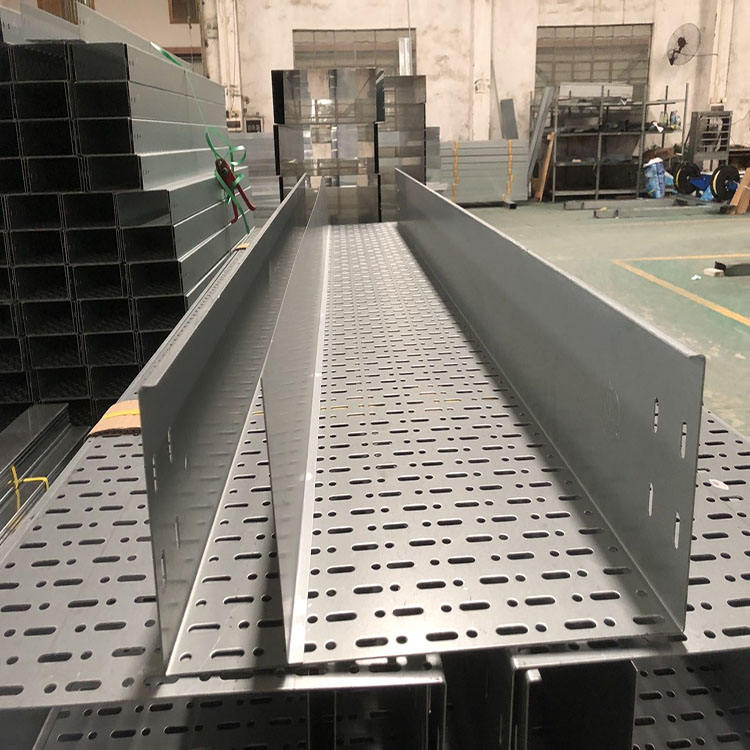
3.1 Excellent Ventilation and Heat Dissipation
The perforated design of the GI Perforated Cable Tray allows air to circulate freely. This helps reduce cable temperature and improves overall system performance.
3.2 Cost-Effective Solution
Compared with stainless steel or HDG systems, the GI Perforated Cable Tray provides a more economical option while maintaining reliable performance.
3.3 Good Corrosion Resistance
The galvanized coating protects the tray from rust in indoor environments or areas with moderate exposure.
3.4 Strong Structural Support
The side rails and reinforced design ensure that the GI Perforated Cable Tray can support multiple cables without deformation.
3.5 Easy Installation
Lightweight and modular design allows quick installation, reducing labor time and cost.
3.6 Flexible Cable Routing
The system supports a wide range of fittings:
This makes it easy to adapt to complex layouts.
3.7 Easy Maintenance and Inspection
Open design allows visual inspection without removing covers.
3.8 Wide Application Compatibility
3.9 Clean and Professional Appearance
The uniform structure ensures organized cable management, especially in commercial environments.
The GI Perforated Cable Tray is widely used in various industries due to its versatility and cost efficiency.
4.1 Commercial Buildings
4.2 Industrial Applications
4.3 Data Centers
4.4 Infrastructure Projects
4.5 Utilities
In all these applications, the GI Perforated Cable Tray ensures safe cable routing, easy maintenance, and long-term reliability.
Q1: What is the difference between perforated tray and ladder tray?
Perforated trays provide better support for smaller cables, while ladder trays are used for heavy cables.
Q2:Is GI Perforated Cable Tray suitable for outdoor use?
It can be used indoors or semi-outdoor. For harsh environments, HDG is recommended.
Q3: What is the standard length?
Typically 3 meters.
Q4: Can it be customized?
Yes, size, thickness, and perforation type can be customized.
Q5: Does it support heavy loads?
It is suitable for light to medium loads.
Q6: Is grounding required?
Yes, proper grounding is required for safety.