
In modern construction and industrial projects, safe access and durable flooring systems are essential. Whether it is a rooftop, factory platform, wastewater facility, or offshore structure, walkways must provide reliable support, anti-slip performance, and long service life under demanding conditions.
Traditional materials such as steel or concrete often suffer from corrosion, heavy weight, and high maintenance costs. This creates safety risks and increases long-term operational expenses.
This is why FRP Walkway has become a preferred solution for engineers, EPC contractors, and facility managers worldwide.
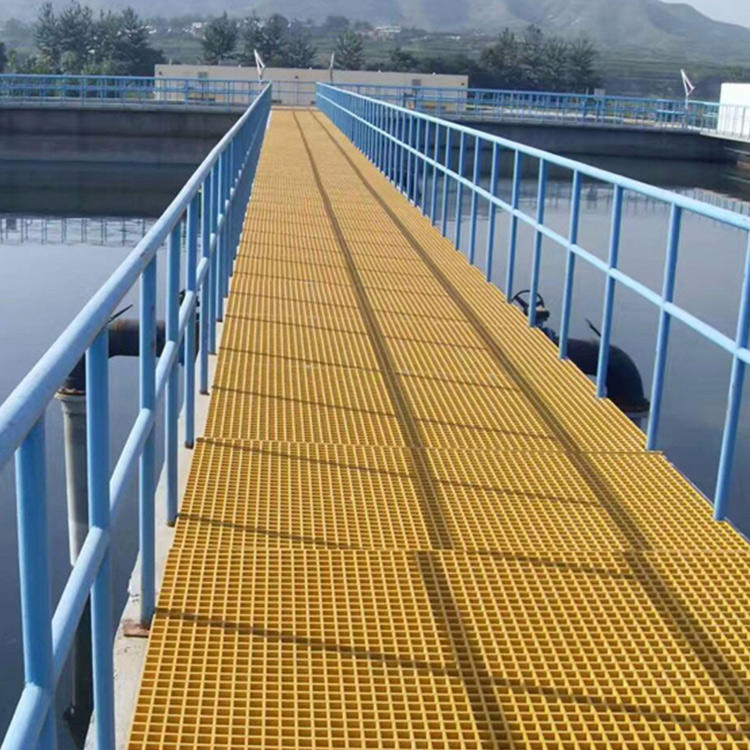
Made from fiberglass reinforced plastic, FRP Walkway offers excellent corrosion resistance, high strength, and non-slip performance. It is lightweight, easy to install, and requires minimal maintenance, making it ideal for both indoor and outdoor applications.
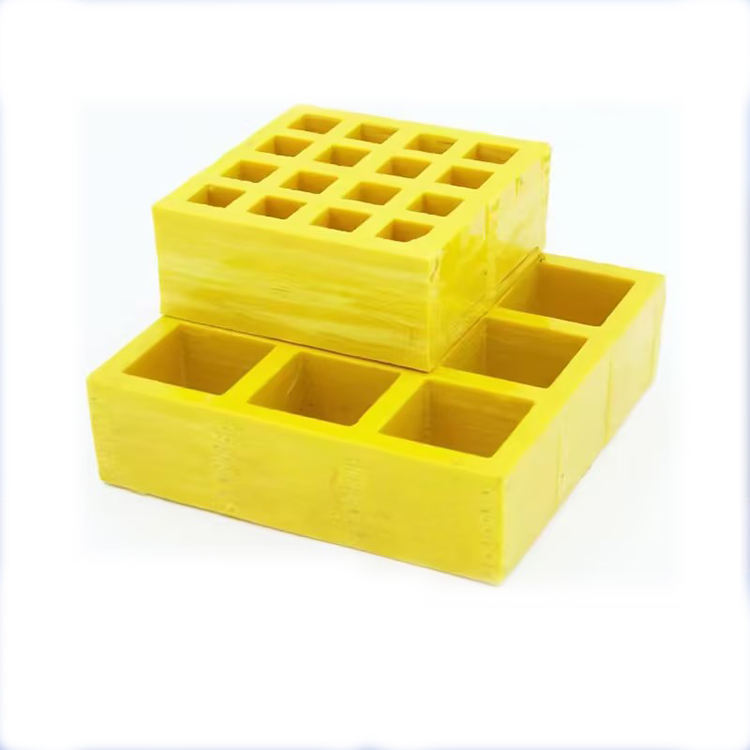
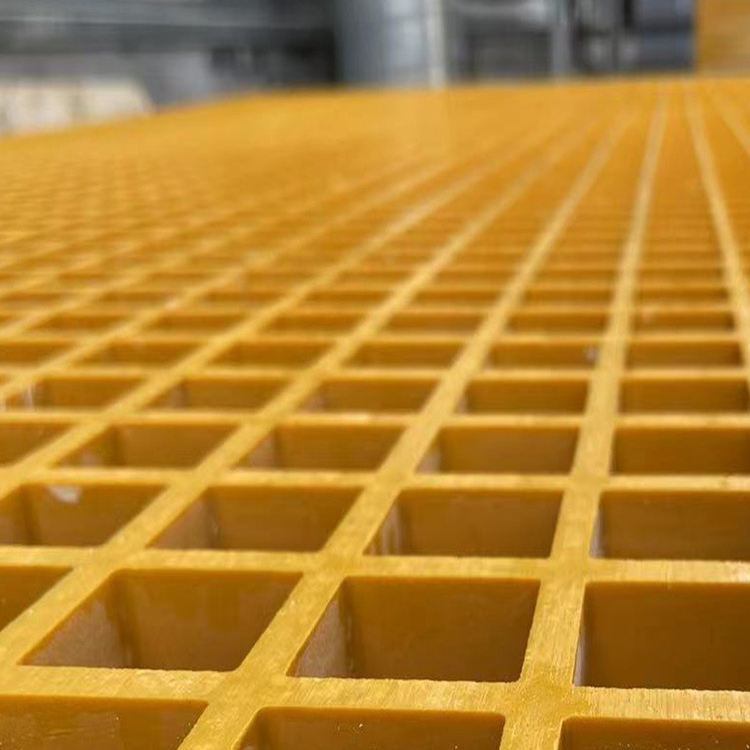
An FRP Walkway is a structural walking surface made from fiberglass reinforced plastic (FRP), designed for safe access in industrial, commercial, and infrastructure environments.
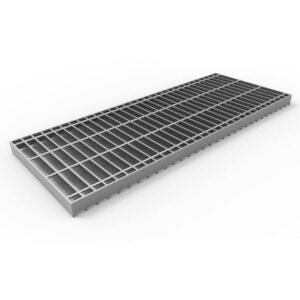
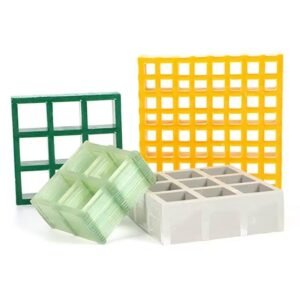
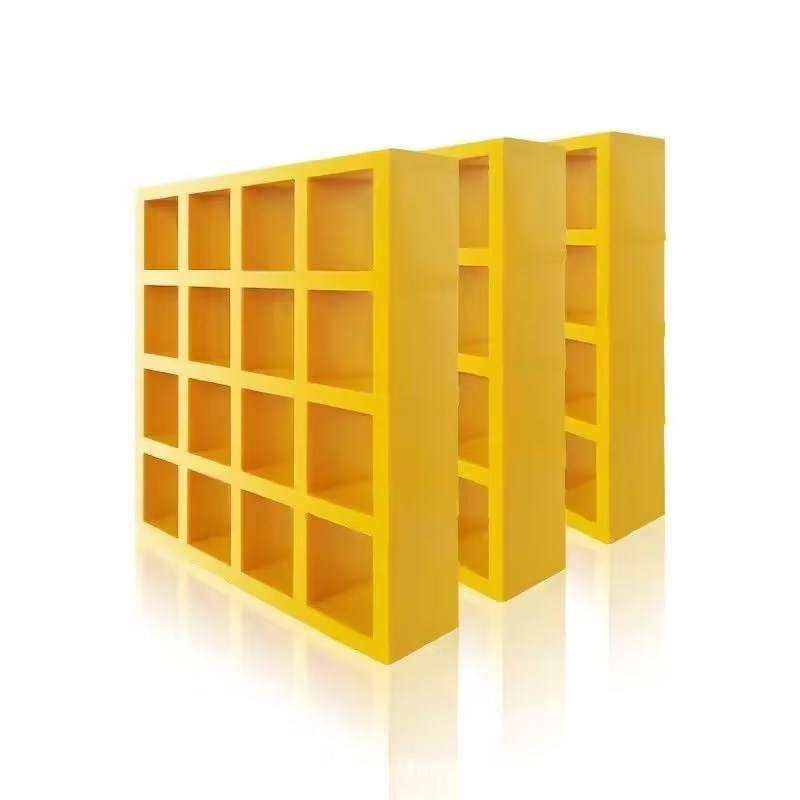
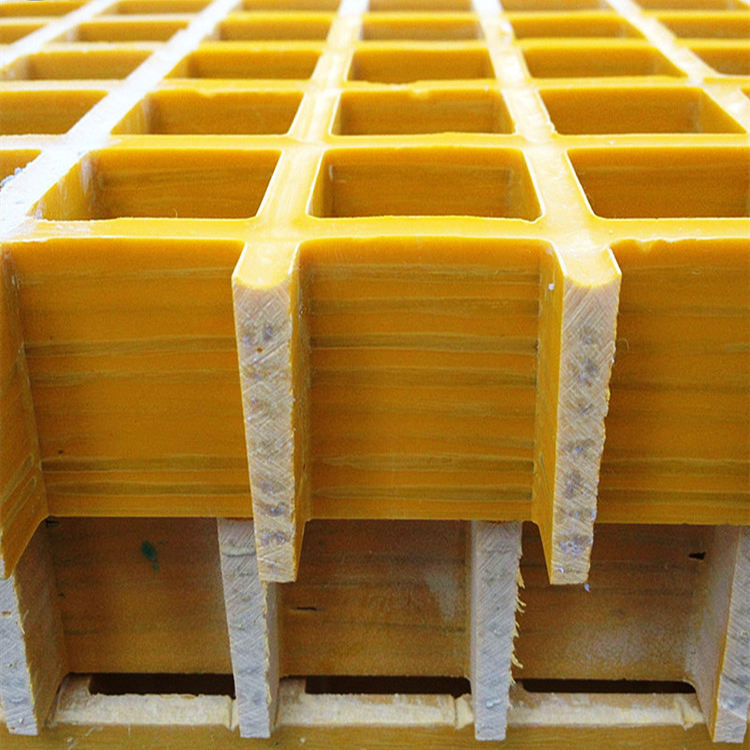
It is typically manufactured using molded or pultruded fiberglass grating panels, which are engineered to provide high strength, durability, and anti-slip performance.
Unlike traditional steel walkways, an FRP Walkway does not corrode, rust, or degrade when exposed to moisture, chemicals, or harsh weather conditions. This makes it particularly suitable for aggressive environments.
Key components of an FRP walkway system include:
FRP grating panels
Support structures (steel or FRP)
Fixing clips and fasteners
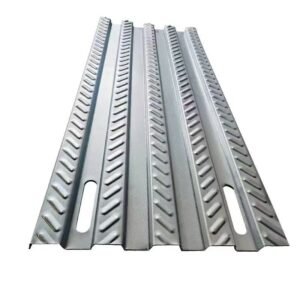
The surface of the FRP Walkway is designed with anti-slip features such as:
These features significantly improve safety, even in wet or oily conditions.
In addition, FRP materials are:
This ensures that FRP Walkway systems provide both safety and durability across a wide range of applications.
。
| Parameter | Specification |
|---|---|
| Product Name | FRP Walkway |
| Material | Fiberglass Reinforced Plastic (FRP) |
| Resin Type | Polyester / Vinyl Ester / Phenolic (Optional) |
| Panel Type | Molded Grating / Pultruded Grating |
| Panel Thickness | 25 mm / 30 mm / 38 mm / 50 mm |
| Mesh Size | 38×38 mm / 50×50 mm |
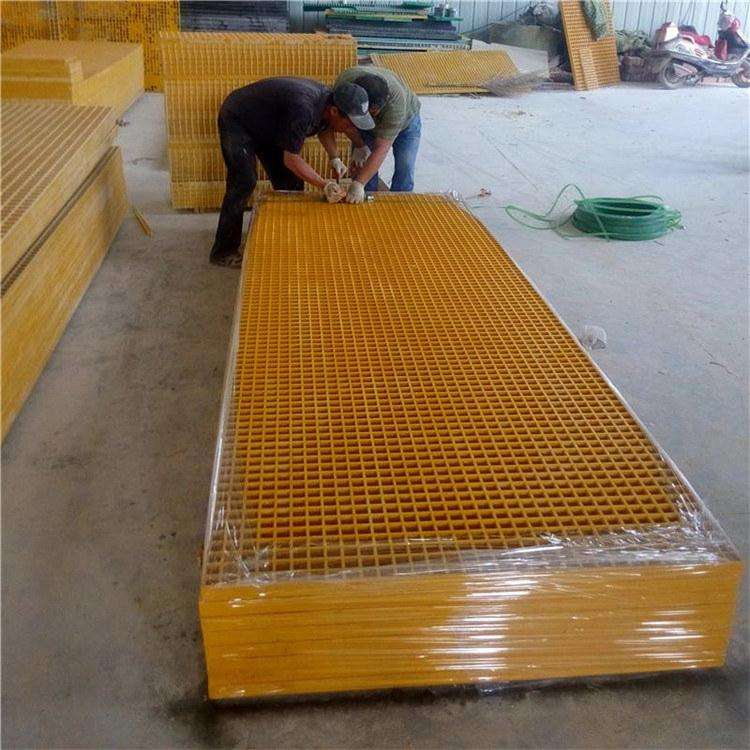
| Width | Custom (Typically 300 mm – 1200 mm) |
| Length | Custom (Cut-to-size) |
| Load Capacity | Medium to Heavy Duty |
| Surface Type | Gritted / Anti-slip / Concave Surface |
| Color | Yellow / Grey / Green / Custom Colors |
| Fire Performance | Flame Retardant (ASTM E84 Optional) |
| UV Resistance | Excellent (Suitable for Outdoor Use) |
| Electrical Conductivity | Non-Conductive |
| Installation Type | Platform / Walkway / Rooftop / Trench Cover |
| Accessories | Clips, fasteners, support frames |
| Application | Industrial Platforms, Chemical Plants, Marine, Wastewater, Rooftops |
| Standard | ASTM / ISO / EN Standards |
3.1 Excellent Corrosion Resistance
FRP Walkway does not rust or corrode, even in highly aggressive environments such as chemical plants or coastal areas.
3.2 Superior Anti-Slip Performance
Safety is a top priority. FRP walkways feature anti-slip surfaces that reduce the risk of accidents in wet, oily, or dusty conditions.
3.3 Lightweight and Easy Installation
Compared with steel, FRP Walkway is much lighter. This reduces:
3.4 High Strength and Durability
Despite being lightweight, FRP provides excellent load-bearing capacity.
3.5 Non-Conductive and Safe
FRP is electrically non-conductive, making it ideal for electrical and industrial environments.
3.6 Low Maintenance Cost
No painting, no rust treatment, and minimal upkeep required.
3.7 Long Service Life
FRP walkway systems can last over 20 years with minimal degradation.
3.8 UV and Weather Resistance
Suitable for long-term outdoor exposure without performance loss.
The FRP Walkway is widely used in various industries where safety, durability, and corrosion resistance are required.
Common Applications:
In these environments, FRP Walkway systems provide safe access while reducing maintenance costs and improving operational efficiency.

Q1: What is FRP Walkway made of?
It is made of fiberglass reinforced plastic using resin and glass fibers.
Q2: Is FRP Walkway suitable for outdoor use?
Yes, it has excellent UV and weather resistance.
Q3: How long does FRP Walkway last?
Typically 20+ years depending on environment.
Q4: Is FRP Walkway anti-slip?
Yes, it is designed with anti-slip surfaces.
Q5: Can it be customized?
Yes, size, thickness, and surface type can be customized.