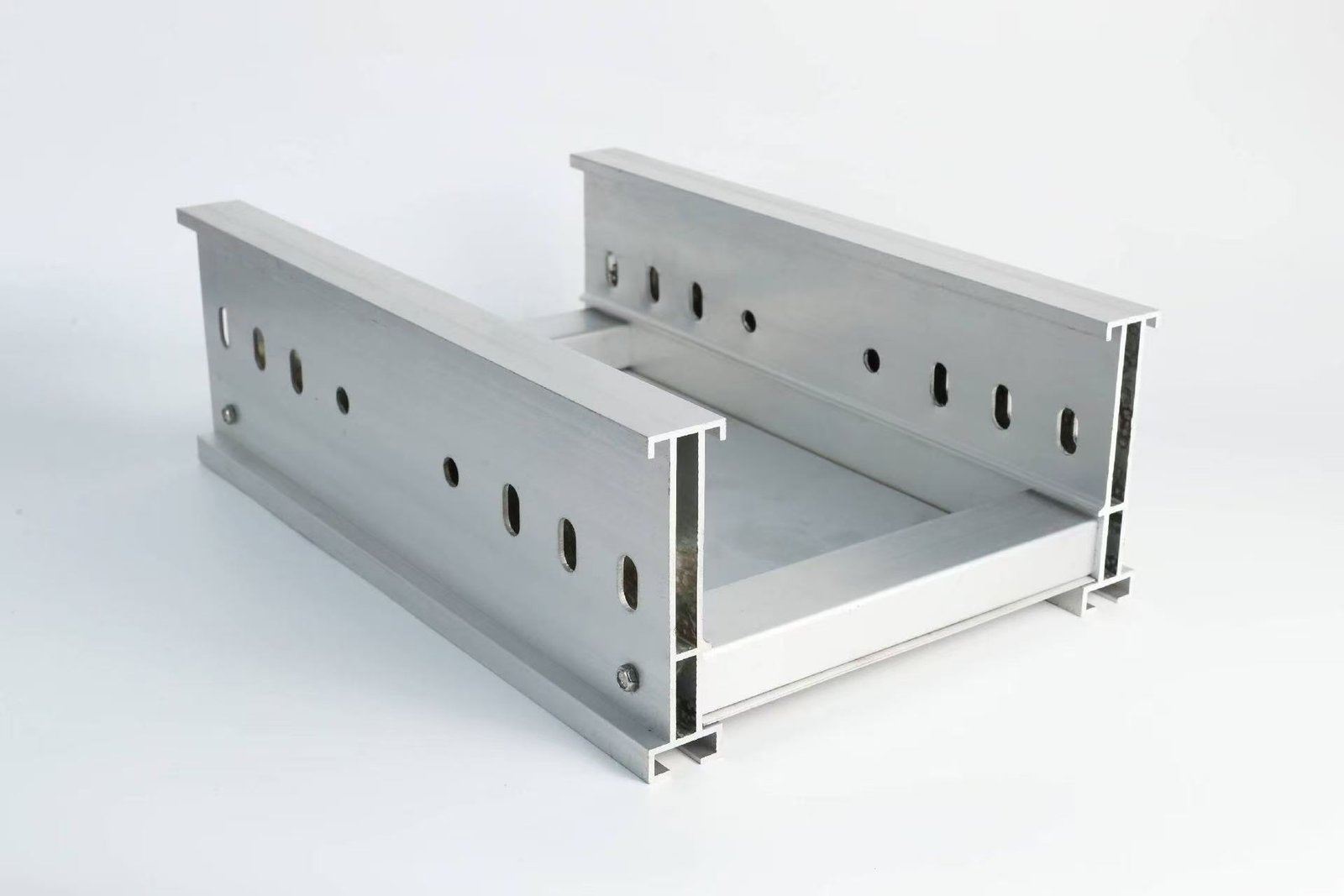
Aluminum alloy ladder-type cable trays solve a painful problem I see on our production line every week: heavy steel trays that corrode, overload rooftops, and slow down installation crews.
Aluminum alloy ladder-type cable trays are used in data centers, industrial plants, commercial buildings, solar farms, marine and coastal projects, outdoor rooftop runs, and corrosive environments. Their light weight, corrosion resistance, open-rung ventilation, and long-span capability make them ideal for these demanding applications.
That short answer covers the “where.” But the more useful question is “why.” Let me walk you through the industries, the environments, the customization options, and how to pick a supplier you can trust.
Which industries and projects can benefit most from aluminum alloy ladder-type cable trays?
Last year, a Singapore project director asked me why his data center consultant insisted on aluminum ladder trays instead of the cheaper steel ones his team had always ordered electromagnetic interference 1. The answer shaped this whole section.
Industries that benefit most include data centers, telecom facilities, petrochemical and oil-and-gas plants, power generation, solar and wind farms, manufacturing floors, hospitals, airports, and marine or offshore projects. These sectors need high load capacity, heat dissipation, low structural weight, and reliable corrosion resistance.
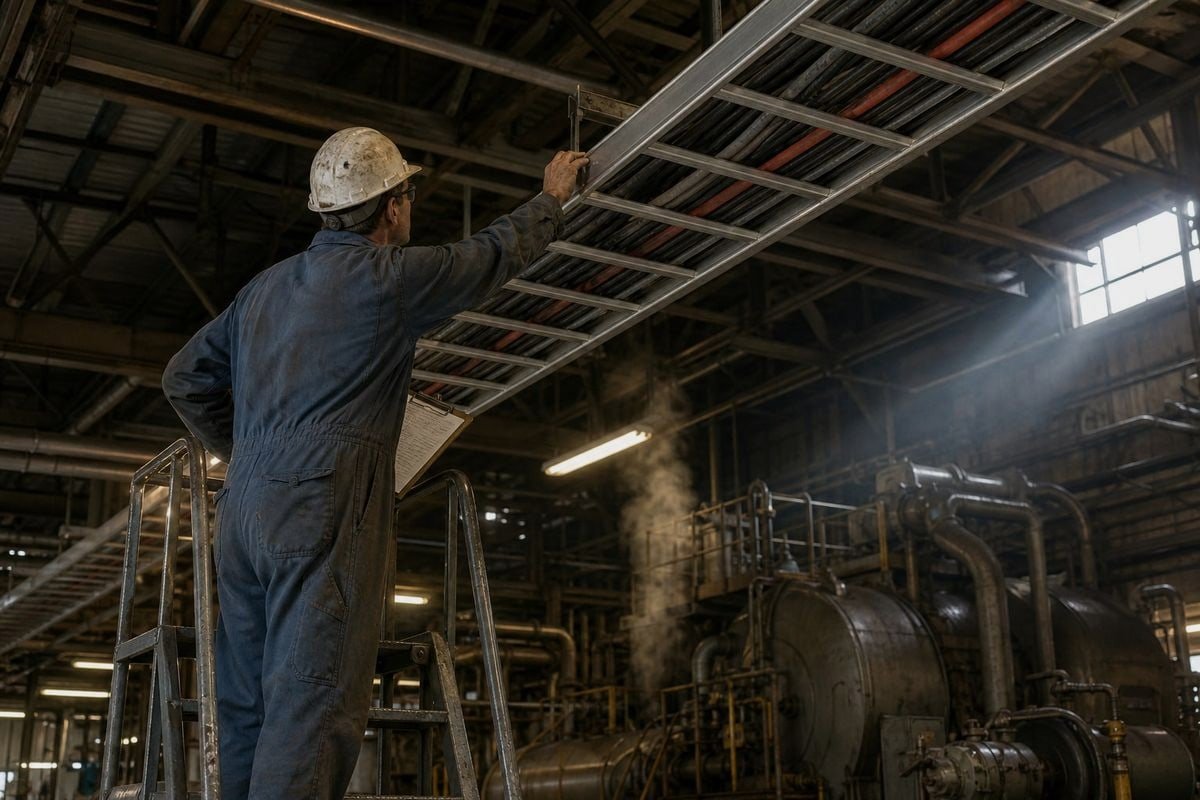
The open ladder design is the real hero here. Rungs spaced along two side rails let air flow freely around every cable. Heat escapes instead of building up. That matters most when you lay large-section power cables or high-density bundles, because trapped heat shortens cable life and can force expensive derating.
Aluminum adds three more advantages on top of the ladder structure. It weighs roughly one-third of steel. It resists corrosion after anodizing 2. And it is non-magnetic, which reduces electromagnetic interference 3 around sensitive electronics — a genuine plus for communication rooms and server halls.
Where each industry gains the most
| Industry / Project | Main Reason for Aluminum Ladder Trays |
|---|---|
| Data centers & telecom | Airflow for dense cabling, non-magnetic, easy moves and changes |
| Petrochemical & oil-and-gas | Corrosion resistance against chemical vapors and outdoor exposure |
| Power plants & substations | Heavy power cables need ventilation and long-span support |
| Solar farms & wind towers | Light weight cuts structural loading; fast field installation |
| Commercial buildings & hospitals | Organized routing of power and communication cabling |
| Marine ports & offshore platforms | Superior salt-air resistance versus galvanized steel 4 |
| Retrofit and renovation projects | Low weight avoids costly structural reinforcement |
There is one more angle buyers often miss: seismically active regions. Lighter trays mean lower dynamic loads on supports during an earthquake. Several of our Southeast Asian EPC clients specify aluminum for exactly this reason. It reduces both reinforcement cost and long-term risk.
Long spans also deserve attention. Aluminum ladder systems, when properly engineered, can support wider spacing between support points than many formed steel trays. In elevated industrial runs where every support bracket is expensive to install, fewer supports mean real savings.
How do I know if aluminum alloy cable trays suit harsh or corrosive environments?
A water treatment contractor once sent me photos of galvanized trays that had rusted through in under four years near a chlorination room. He wanted to know if aluminum would honestly do better. It does — and here is how to judge it.
Aluminum alloy cable trays suit harsh environments because anodizing forms a protective oxide film that resists atmospheric and chemical corrosion. They outperform painted or galvanized steel in coastal, marine, chemical, and washdown settings, though alloy grade and finish must match the specific exposure.
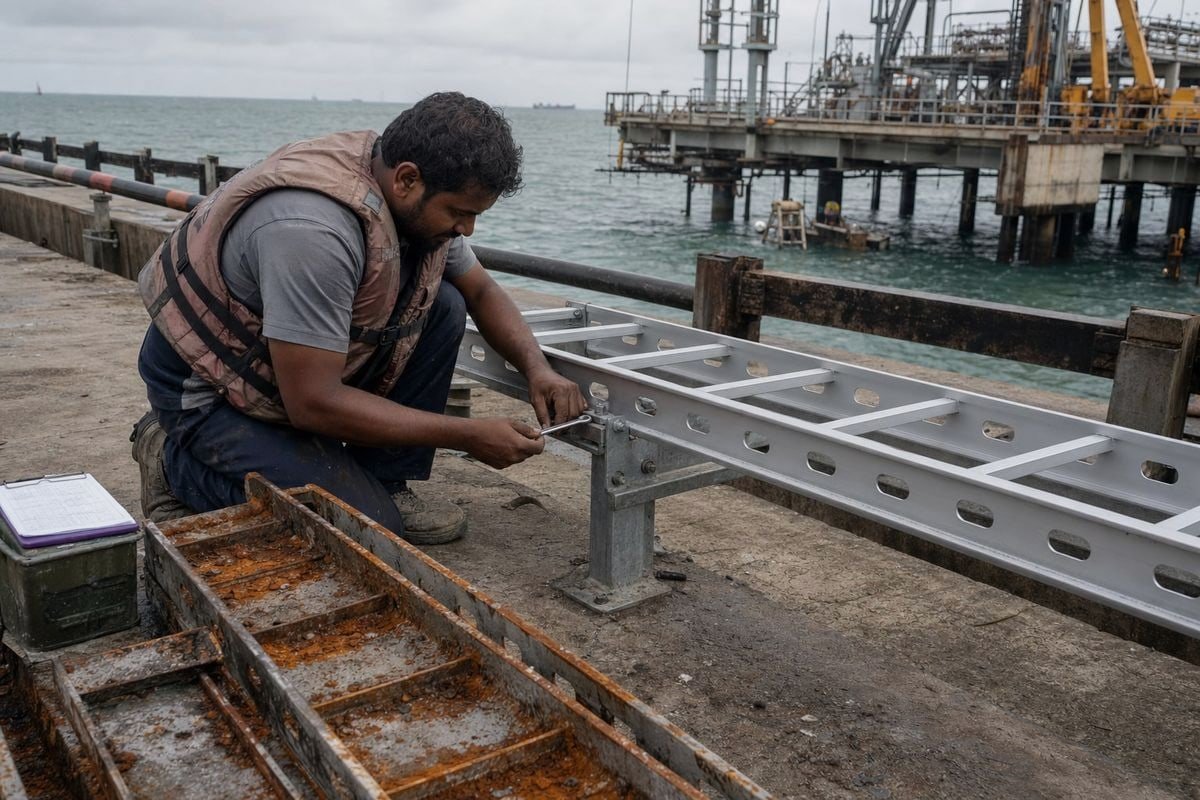
Corrosion resistance is not a yes-or-no property. It depends on three things: the alloy, the surface treatment, and the exposure class. Get all three right and aluminum will outlast most coated steel alternatives with far less maintenance.
The anodized layer is the key mechanism. Anodizing thickens the natural oxide film on the aluminum surface. This film is hard, stable, and self-limiting. Unlike paint, it does not peel. Unlike zinc coating, it does not sacrifice itself away year after year. In humid tropical climates — most of our export markets — that difference shows up fast.
Match the alloy to the exposure
Not all aluminum is equal. Alloy selection matters more than most buyers realize.
| Alloy | Best Use Case |
|---|---|
| 6063-T5 | Standard ladder tray systems, general commercial and industrial use |
| 6061-T6 6 | Long-span runs and heavy-load applications |
| 5052-H32 | Corrosion-intensive settings: marine, chemical, washdown areas |
| 1060 | Grounding and bonding components requiring high conductivity |
A quick self-check before you specify
- Identify the corrosion class of the site: coastal, chemical, washdown, or standard indoor.
- Check the salt or chemical agents present. Chlorides and marine air favor 5052 or well-anodized 6xxx alloys.
- Confirm the surface treatment: anodizing thickness should suit the exposure severity.
- Verify support hardware. A corrosion-proof tray on rusting steel brackets is a wasted investment.
- Ask for the supplier’s material certificates so the stated alloy is actually what ships.
One honest caveat. In areas with strong caustic (high-pH) chemical splash, aluminum can suffer. For those zones, we advise clients to use protective covers, localized coatings, or a different material for that short section. A good supplier tells you where aluminum does not fit, not just where it does.
Can I customize aluminum alloy ladder-type cable trays for my specific project requirements?
Collaborative development is the part of my job I enjoy most. Around half of the ladder tray orders we ship out of Tai’an involve some level of customization — from non-standard widths to project-specific fittings for solar and water treatment sites.
Yes. Aluminum alloy ladder-type cable trays can be customized in width, depth, rung spacing, side rail height, alloy grade, surface finish, length, and fittings. OEM/ODM suppliers can also produce project-specific bends, tees, reducers, covers, and grounding accessories to match drawings.
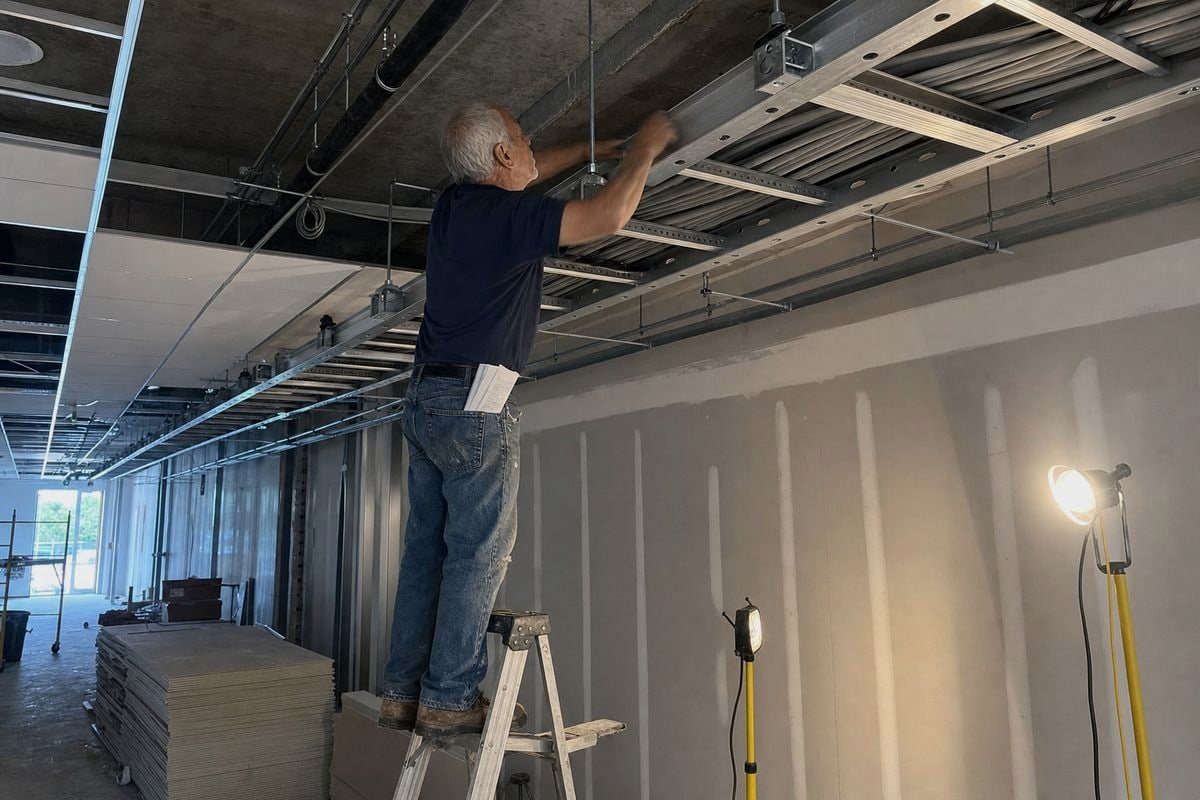
Customization is not a luxury in this product category. It is often the difference between a smooth installation and weeks of on-site improvisation. EPC projects rarely fit standard catalog dimensions, so a rigid supplier becomes a bottleneck.
The parameters you can actually change
| Parameter | Typical Custom Options | Why It Matters |
|---|---|---|
| Width & depth | Non-standard sizes to match cable fill calculations | Avoids over-buying capacity or overfilling trays |
| Rung spacing | Closer spacing for small cables, wider for heavy power cables | Controls cable sag and support quality |
| Side rail height | Taller rails for larger cable volumes | Keeps cables contained on long vertical drops |
| Alloy & temper | 6063-T5, 6061-T6, 5052-H32 | Matches strength and corrosion needs |
| Surface finish | Anodizing, powder coating, mill finish | Site aesthetics and extra corrosion margin |
| Lengths | Cut-to-length straight sections | Reduces on-site cutting and waste |
| Fittings | Elbows, tees, crosses, risers, reducers | Follows the actual routing drawings |
| Accessories | Covers, dividers, hold-downs, grounding kits | Meets code and protection requirements |
How a typical custom order flows
In our experience exporting to Singapore, the Philippines, and South America, a workable process looks like this. First, the buyer shares layout drawings or a cable schedule. Second, we confirm load per meter, support span, and deflection limits. Third, we produce shop drawings for approval before any extrusion or fabrication starts. Fourth, samples or first-article photos go out for sign-off. Only then does bulk production begin.
That sequence protects both sides. It catches dimensional errors on paper, where fixing them costs nothing, instead of on-site, where they cost days. One lesson I learned early: never let a buyer skip the drawing-approval step to save three days. Those three days are the cheapest insurance in the entire project.
For debris-heavy zones, we also advise adding covers or switching short sections to trunking, since an open ladder offers less protection from falling objects. Customization should include knowing where the ladder design itself needs a supplement.
What should I look for when choosing a reliable supplier for aluminum alloy cable trays?
The most expensive mistake I have watched a buyer make was choosing a tray supplier on unit price alone. The trays arrived late, off-spec in wall thickness, and the return dispute dragged on longer than the fabrication would have taken elsewhere.
Look for verified alloy and thickness certificates, documented QC processes, realistic and guaranteed lead times, drawing-approval workflows, load-test data, export packing standards, and responsive communication. A reliable supplier proves capability with documentation and samples before you commit to bulk orders.
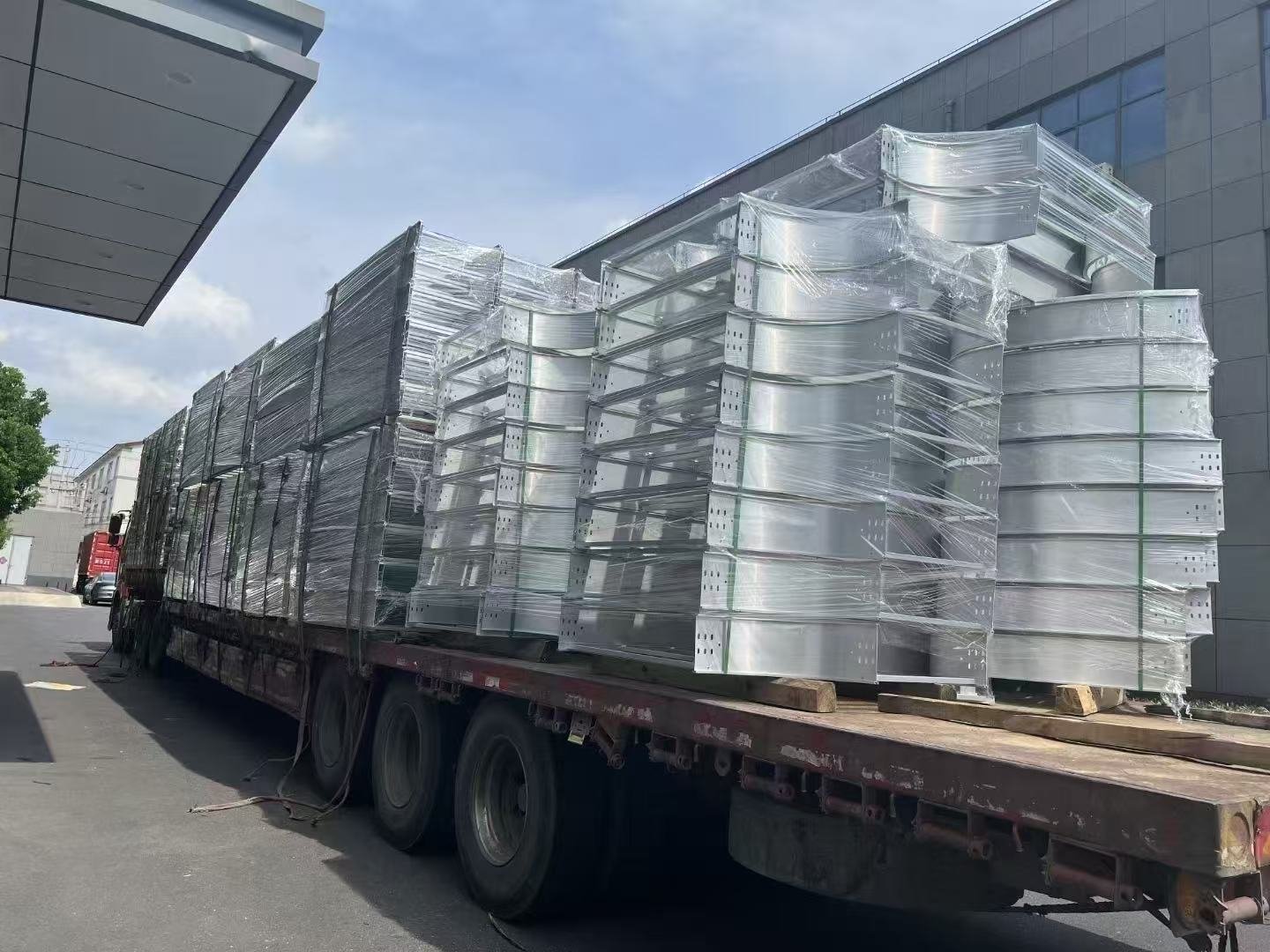
Price matters, but three pain points hurt project buyers far more: delivery delays, quality inconsistencies, and returns. Every supplier evaluation should be built around preventing those three outcomes.
A practical supplier checklist
- Ask for material certificates. The alloy on the invoice must match the alloy in the extrusion. Request mill certs, not just verbal assurances.
- Check dimensional QC. Wall thickness, rung spacing, and rail height should be measured and recorded per batch, with tolerance sheets you can audit.
- Verify load and deflection data. Trays should come with tested span-load tables, not just marketing claims.
- Probe the lead-time promise. Ask what happens if the date slips. A supplier who offers a concrete remedy is planning to hit the date.
- Review export packing. Shrink film, strapping, wooden separators, and corner protection prevent transit damage — the hidden cause of many “quality” complaints.
- Test communication speed. If pre-sale replies take three days, post-sale problem-solving will be worse. We keep WhatsApp open for exactly this reason; project directors need answers in hours, not days.
- Start with a trial order. One container tells you more than any brochure.
Weighing the trade-offs honestly
Some buyers still ask whether steel would be safer. Steel wins where maximum impact resistance or the lowest material cost is the top priority. Aluminum wins where corrosion, weight, installation speed, and long spans matter. A trustworthy supplier will walk you through that comparison for your specific site instead of pushing one answer. When we quote mixed projects, we sometimes recommend steel for a mechanical-risk zone and aluminum for the rooftop and coastal runs — because the goal is a project that performs, not just a purchase order that closes.
Conclusion
Aluminum alloy ladder-type cable trays fit wherever corrosion, weight, heat, or long spans challenge steel. Match the alloy to the environment, customize to your drawings, and vet your supplier thoroughly.
Footnotes
- Background on EMI relevant to why non-magnetic aluminum trays benefit sensitive electronics. ↩︎
- Wikipedia background on the anodizing process central to corrosion resistance discussion. ↩︎
- Explains the non-magnetic property benefit mentioned for sensitive electronics environments. ↩︎
- Background on galvanizing process used as the comparison point against aluminum corrosion resistance. ↩︎
- Background on this specific structural aluminum alloy referenced for heavy-load tray applications. ↩︎
- Explains composition and strength properties of this structural-grade alloy referenced for load-bearing trays. ↩︎
- Describes the anodizing process that forms the protective oxide layer discussed for corrosion resistance. ↩︎