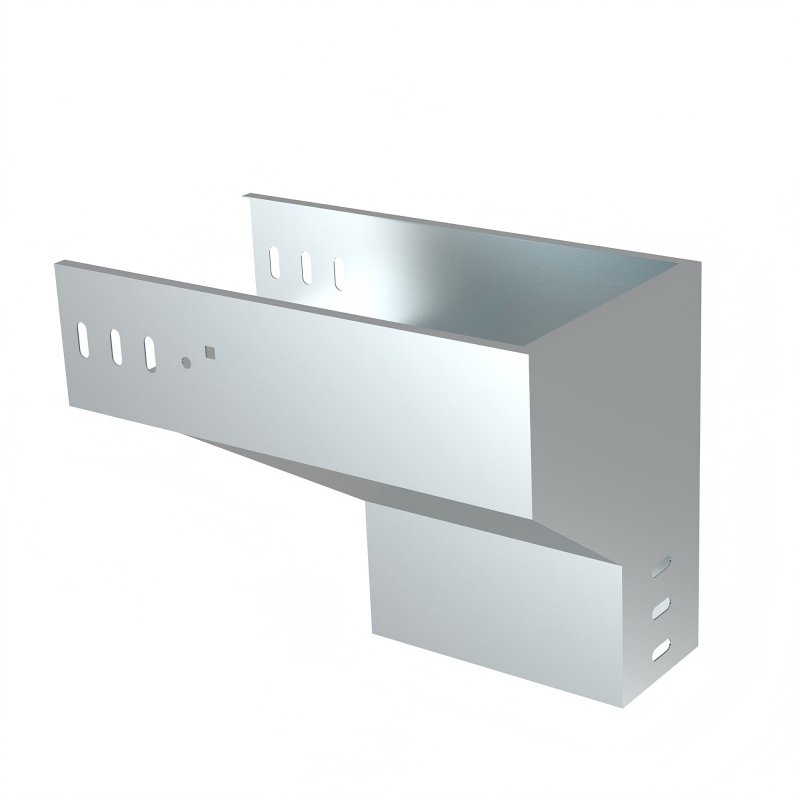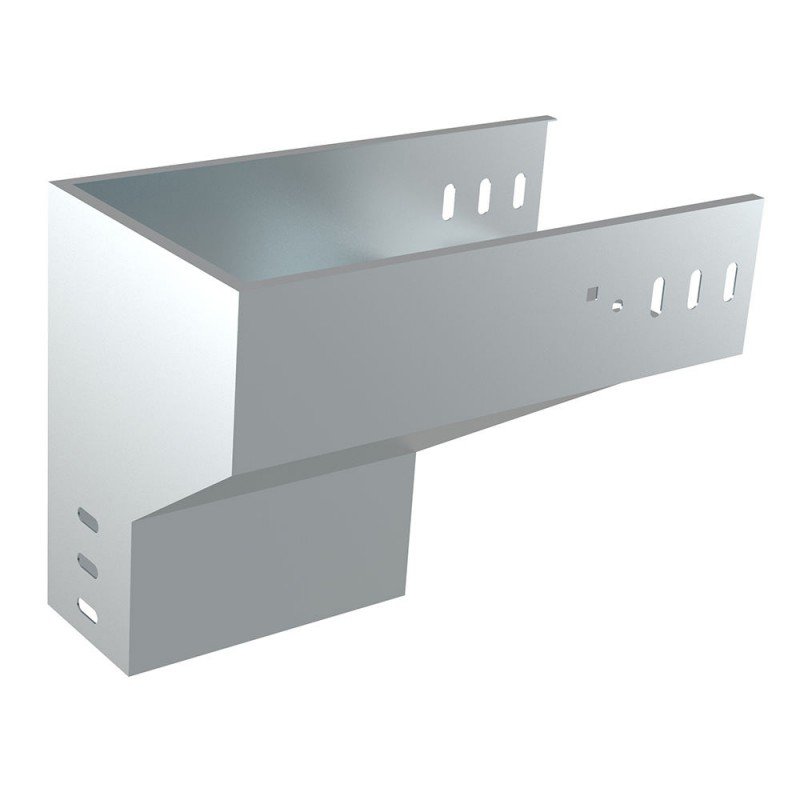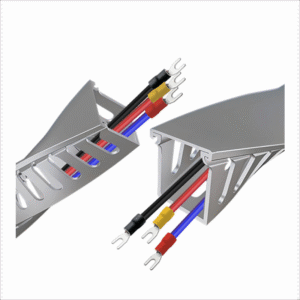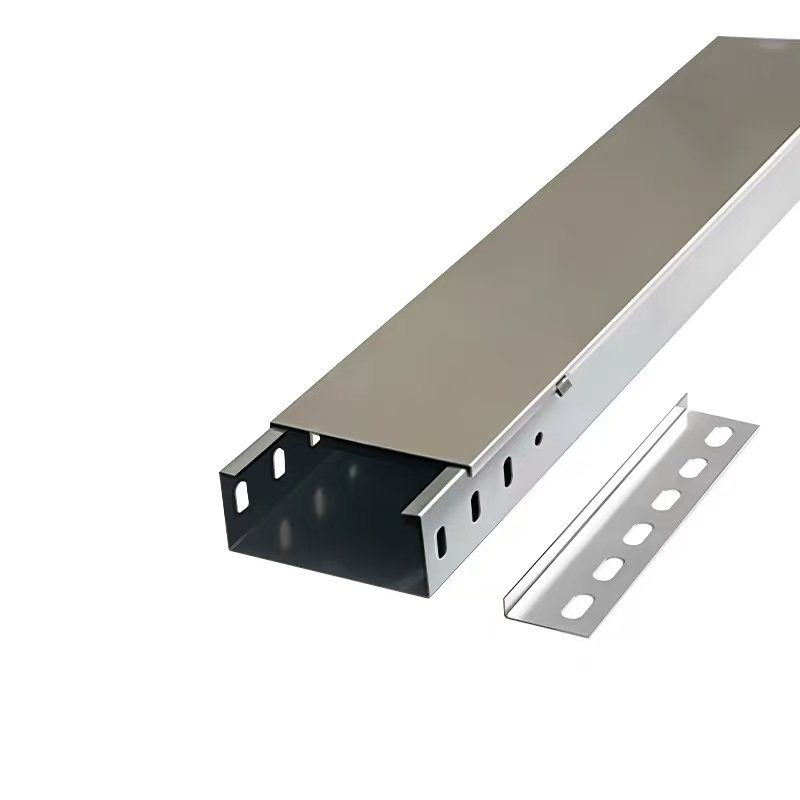
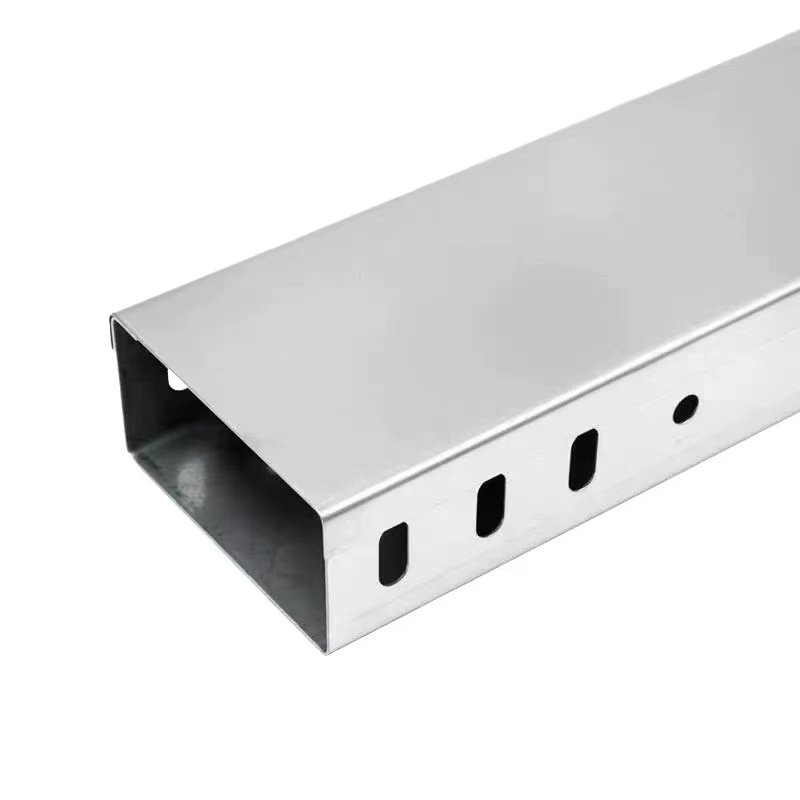
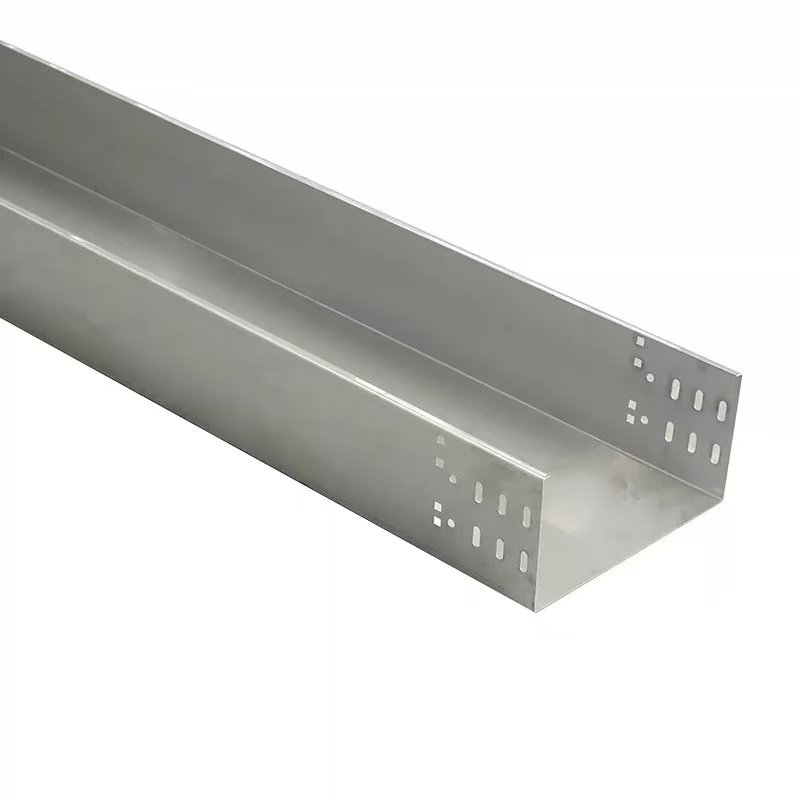

SS316 solid bottom cable tray, also known as stainless steel 316 solid tray or SS316 trough cable tray, is specially designed and engineered for supporting and managing cables whilst providing complete protection with a continuous solid bottom surface. As the reliable stainless steel cable tray manufacturer, Lanye brand custom SS316 solid bottom cable tray is available in various configurations, materials, sizes and forms to suit the location and requirements of the installation. Our SS316 solid bottom cable tray can be used in almost any places including offshore platforms, marine vessels, chemical plants, food processing facilities, pharmaceutical plants, wastewater treatment plants, and high corrosion risk areas, etc.
SS316 solid bottom cable tray is a cable management system fabricated from high-quality stainless steel 316 (SS316), featuring a continuous solid bottom surface without perforations. Unlike perforated or ladder cable trays, solid bottom cable trays provide complete cable containment, preventing small cables from sagging, protecting cables from falling debris, and containing potential oil leaks or dust accumulation. The solid bottom design also provides enhanced protection against moisture, dirt, and small animals.
SS316 solid bottom cable tray is commonly fabricated using SS316 stainless steel sheets. The chemical composition of SS316 includes chromium (16-18%), nickel (10-14%), and molybdenum (2-3%), which provides exceptional resistance to chlorides, salt spray, and industrial chemicals. The tray is manufactured through standard procedures such as punching, bending, and welding, carried out by a flexible automatic production line. The finish can be mill finish (natural) or brushed according to customer requirements.
Stainless steel 316 solid bottom cable tray exhibits excellent qualities including high strength, a robust design, durability, and outstanding resistance to rust and corrosion in the harshest environments. The solid bottom provides continuous support for all cable types, including small-diameter instrumentation cables that might sag between rungs of ladder trays. These characteristics make it an ideal choice for cable management in marine, offshore, chemical, food processing, and pharmaceutical environments where complete cable protection is required. SS316 solid bottom cable tray is the reliable cable management solution to ensure the longevity and proper functioning of cables in demanding environments.
| Function | Description |
|---|---|
| Cable Support | Continuous support for all cable types including small diameter cables |
| Complete Containment | Prevents cable sagging and maintains organized routing |
| Corrosion Protection | Superior resistance to salt spray, chlorides, and chemicals |
| Debris Protection | Solid bottom blocks falling dust, dirt, and small objects |
| Oil Containment | Contains potential oil or fluid leaks from cables |
| Moisture Barrier | Provides protection against water splash and humidity |
| Feature | SS316 Solid Bottom | SS316 Perforated | SS316 Ladder |
|---|---|---|---|
| Bottom Surface | Solid (no holes) | Perforated (holes) | Open rungs |
| Cable Support | Continuous | Continuous with ventilation | Intermittent |
| Small Cable Support | Excellent | Good | Poor (may sag) |
| Ventilation / Cooling | None | Good | Excellent |
| Debris Protection | Excellent | Moderate | Poor |
| Oil Containment | Excellent | Poor | Poor |
| Weight | Heavier | Moderate | Lightest |
| Typical Application | Instrumentation, food/pharma, oil containment | Data centers, general | Heavy power cables |
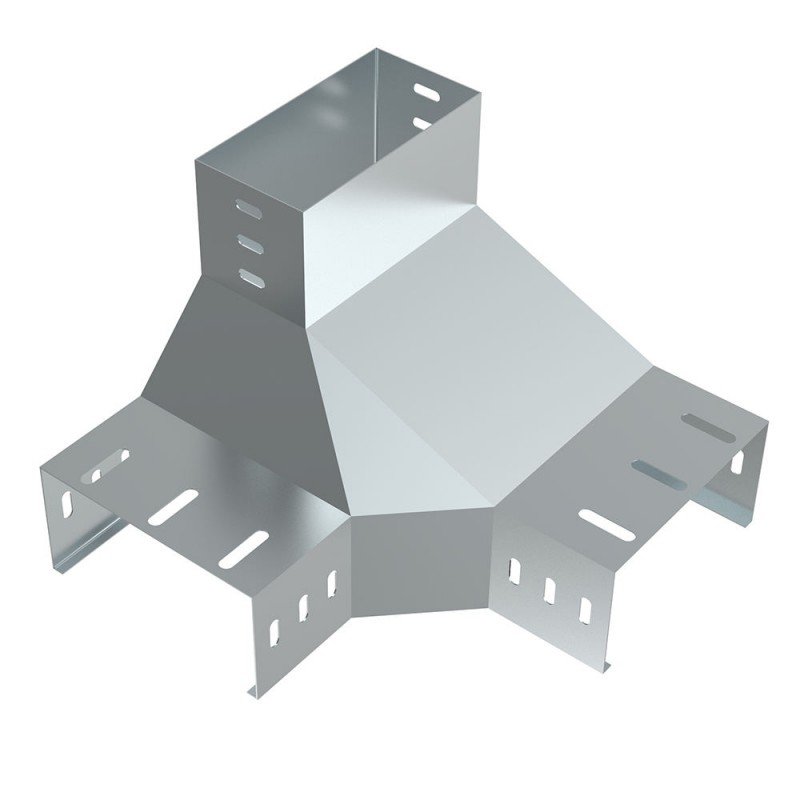
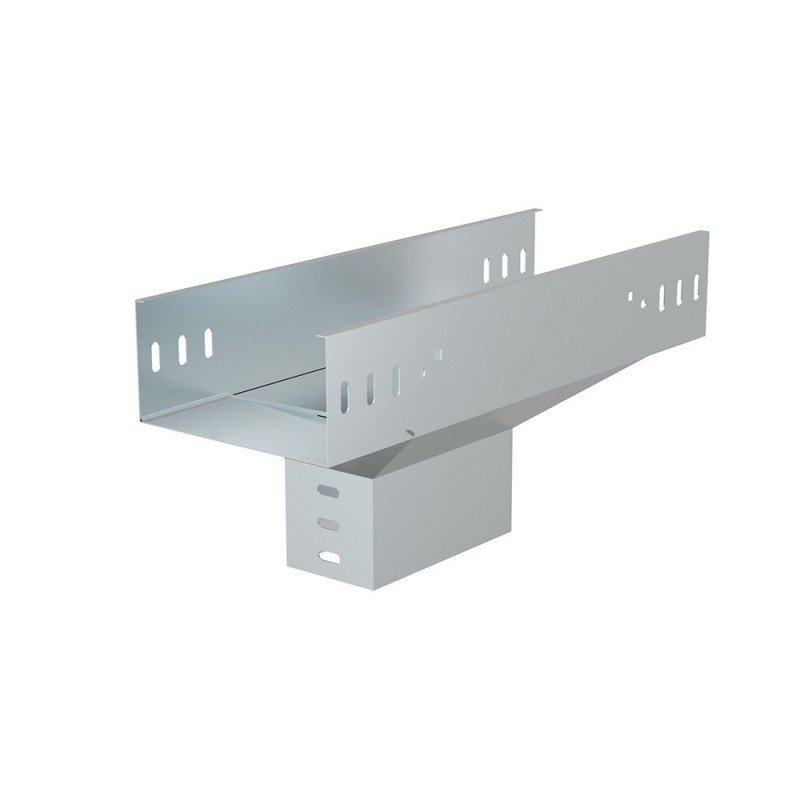
| No | Type | Width (mm) | Height (mm) | Thickness (mm) | Surface Finish | Length (mm) | Load Capacity |
|---|---|---|---|---|---|---|---|
| 1 | Lanye-SST-1 | 100 | 50 | 1.2 | Brushed | 2000 | Light Duty |
| 2 | Lanye-SST-2 | 150 | 50 | 1.2 | Brushed | 2000 | Light Duty |
| 3 | Lanye-SST-3 | 200 | 75 | 1.5 | Brushed | 2000 | Medium Duty |
| 4 | Lanye-SST-4 | 300 | 75 | 1.5 | Brushed | 2000 | Medium Duty |
| 5 | Lanye-SST-5 | 300 | 100 | 1.5 | Brushed | 2000 | Medium Duty |
| 6 | Lanye-SST-6 | 400 | 100 | 2.0 | Brushed | 3000 | Heavy Duty |
| 7 | Lanye-SST-7 | 500 | 100 | 2.0 | Brushed | 3000 | Heavy Duty |
| 8 | Lanye-SST-8 | 500 | 150 | 2.0 | Brushed | 3000 | Heavy Duty |
| 9 | Lanye-SST-9 | 600 | 150 | 2.5 | Brushed | 3000 | Extra Heavy Duty |
| 10 | Lanye-SST-10 | 800 | 150 | 2.5 | Brushed | 3000 | Extra Heavy Duty |
Remark:
• Solid bottom (no perforations).
• Optional drain holes available on request.
• Optional integral divider available.
• SS316L (low carbon) available for welding applications.
• Custom sizes: Widths, heights, and thicknesses available.
• ODM/OEM Availability: Welcome to customize.
| Parameter | Specification |
|---|---|
| Material Grade | SS316 / SS316L |
| Chromium (Cr) | 16-18% |
| Nickel (Ni) | 10-14% |
| Molybdenum (Mo) | 2-3% |
| Tensile Strength | ≥515 MPa |
| Yield Strength | ≥205 MPa |
| Elongation | ≥40% |
| Hardness (Brinell) | ≤217 HB |
| Tray Type | Weight per meter (approx.) |
|---|---|
| Solid Bottom | 18.5 kg/m |
| Perforated (33% open) | 12.4 kg/m |
| Ladder | 9.8 kg/m |
| Feature | Availability | Description |
|---|---|---|
| Drain Holes | Yes | Small holes for liquid drainage |
| Integral Divider | Yes | Center or offsetdivider for cable separation |
| Covers (solid) | Yes | Solid covers for complete enclosure |
| Covers (ventilated) | Yes | Perforated covers for ventilation |
| Support Brackets | Yes | SS316 brackets for matching corrosion resistance |
| Accessory | Availability | |||
|---|---|---|---|---|
| Horizontal Bend (Solid Bottom) | Yes | |||
| Vertical Bend (Solid Bottom) | Yes | |||
| Tee Fitting (Solid Bottom) | Yes | |||
| Cross Fitting (Solid Bottom) | Yes | |||
| Reducer | Yes | |||
| End Cap | Yes | |||
| Cover (Solid or Perforated) | Yes | |||
| Support Bracket (SS316) | Yes | |||
| Couplers and Connectors (SS316) | Yes | |||
| Divider / Separator | Yes | |||
| Earth Bonding Kits (SS316) | Yes |
| Feature | SS316 Solid Bottom | SS304 Solid Bottom | HDG Steel Solid Bottom | FRP Solid Bottom |
|---|---|---|---|---|
| Corrosion Resistance (Marine) | Excellent | Good | Poor | Excellent |
| Corrosion Resistance (Chemical) | Excellent | Good | Poor | Excellent |
| Strength | Very High | Very High | High | Moderate |
| Temperature Resistance | Excellent | Excellent | Excellent | Moderate |
| Impact Resistance | Excellent | Excellent | Excellent | Moderate |
| Weight | Heavy | Heavy | Heavy | Light |
| Electrical Conductivity | Conductive | Conductive | Conductive | Non-conductive |
| Initial Cost | High | Moderate | Low | Moderate |
| Lifecycle Cost (Harsh Environment) | Low | Moderate | High | Low |
Lanye uses only high-quality stainless steel 316 from certified mills with full material traceability, ensuring consistent corrosion resistance and mechanical properties.
As a professional cable tray manufacturer, Lanye can provide SS316 solid bottom cable trays based on project drawings, load requirements, and environmental specifications.
Lanye supports OEM and ODM supply for distributors, contractors, and industrial buyers. Private labeling, custom dimensions, and special finishes are available.
All Lanye SS316 solid bottom cable trays undergo strict quality control including material certification, dimensional inspection, weld inspection, and surface finish verification.
A: SS316 contains molybdenum (2-3%), which provides superior resistance to chlorides, salt spray, and marine environments. SS304 is suitable for general industrial use. For marine, offshore, and chemical applications, Lanye recommends SS316. For less demanding environments, SS304 offers good performance at lower cost.
A: Solid bottom trays provide continuous cable support (especially for small diameter cables), contain oil leaks and debris, and offer better protection against falling dust and dirt. Lanye solid bottom trays are ideal for instrumentation cables, food processing, pharmaceutical, and applications requiring fluid containment.
A: Solid bottom trays do not provide ventilation like perforated or ladder trays. For high-power cables with significant heat generation, Lanye recommends perforated trays or ladder trays. For control, instrumentation, and communication cables, solid bottom trays are generally suitable without overheating concerns.
A: Yes. SS316 is specifically designed for outdoor, marine, and coastal environments. Lanye SS316 solid bottom cable trays provide excellent corrosion resistance in all outdoor conditions including direct weather exposure and salt spray.
A: Yes. Lanye can supply SS316 solid bottom cable trays with pre-punched drain holes to prevent water accumulation in outdoor installations. Please specify drain hole requirements when ordering.
A: SS316L has lower carbon content (0.03% max vs 0.08% max for SS316), which provides better resistance to sensitization and intergranular corrosion after welding. Lanye offers both grades; SS316L is recommended for welded applications.
A: Yes. Lanye offers both solid covers (for complete enclosure) and ventilated covers (for some airflow) in matching SS316 material. Covers are available for all standard tray widths.
A: Due to the solid bottom’s additional weight, Lanye recommends support spacing of 1.5m to 2.0m for standard loads, compared to 2.0m to 2.5m for perforated trays. Please consult our load tables for specific recommendations.
A: Standard sizes and finishes from Lanye typically ship in 7-10 business days. Custom sizes, special dimensions, or large quantities require 15-20 business days.
A: Yes. SS316 is FDA-compliant and provides excellent corrosion resistance to food acids and cleaning chemicals. Lanye SS316 solid bottom trays have smooth, non-porous surfaces that are easy to clean and sanitize.
A: Clean with mild detergent, warm water, and a soft cloth or sponge. For brushed finishes, wipe in the direction of the grain. For stubborn deposits, use a stainless steel cleaner. Avoid chloride-based cleaners or abrasive pads that may damage the passive layer.
A: Yes. Lanye offers sample sections of SS316 solid bottom cable tray for customer evaluation. Please contact our sales team to discuss sample requirements and lead time.