7.Frequently Asked Questions (FAQ)
Q1: Can I mix different bracket types in the same cable tray run?
A: Yes, as long as each bracket supports its assigned load and the tray remains aligned and level. For example, use wall brackets near the wall and trapeze hangers in open areas. Ensure bracket spacing does not exceed the tray manufacturer’s maximum support distance. Lanye can provide engineering support for mixed systems.
Q2: What is the standard bracket spacing for light duty cable tray?
A: For light duty (≤50 lb/ft), most codes allow spacing up to 8 feet. However, always check the tray manufacturer’s load-span table. Some perforated trays require 5-foot spacing even at light loads. When in doubt, Lanye recommends 5-foot spacing for any tray with data cables.
Q3: Do I need to ground each cable tray bracket?
A: The NEC does not require each bracket to be individually grounded, but the cable tray itself must be a continuous grounded path. If your brackets are painted or isolated, you must bond the tray across brackets using jumpers. Lanye stainless steel and HDG brackets typically provide good contact; painted brackets may need bonding. We offer brackets with dedicated grounding lug holes.
Q4: Can I install a cable tray bracket on drywall or plaster wall?
A: No. Drywall cannot support cable tray loads. All brackets must be anchored into structural members (concrete, masonry, steel studs of gauge ≥16, or wood studs). For drywall installations, Lanye recommends using a wall-mount strut channel that spans to two studs, then attach the bracket to the strut.
Q5: Are your brackets compatible with cable tray covers?
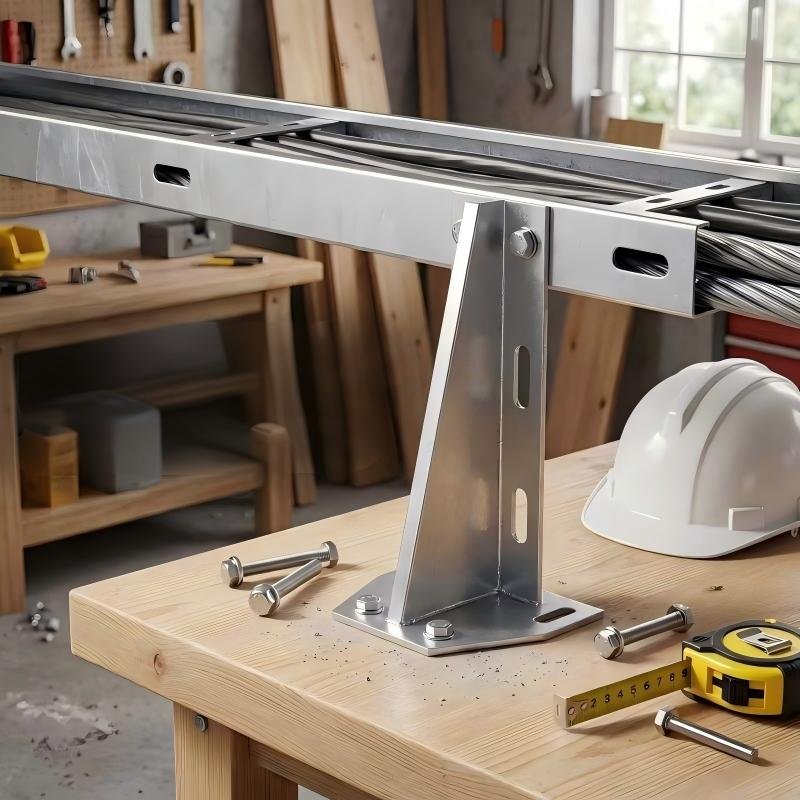
A: Yes. Lanye brackets are designed to leave enough space above the tray side rail for standard covers (typically 0.5″ to 1″ clearance). For trapeze hangers, ensure the cross member does not block cover clips. If you need extra cover clearance, request our raised-arm bracket.
Q6: Do you offer seismic-rated cable tray brackets?
A: Yes. Lanye provides IBC 2021 / ASCE 7-22 compliant seismic brackets with pre-approved attachment details. Seismic brackets include gussets, oversize holes for movement, and sway brace connection points. Seismic certification letters are available for each project. Please specify seismic requirements when ordering.
Q7: Can I use aluminum brackets with steel cable trays?
A: Avoid direct contact between dissimilar metals (galvanic corrosion). If you must mix, use insulating pads (rubber or plastic) between the aluminum bracket and steel tray. Lanye recommends matching bracket material to tray material (steel bracket + steel tray; aluminum bracket + aluminum tray) for best performance and longevity.
Q8: What is the difference between a wall bracket and a cantilever bracket?
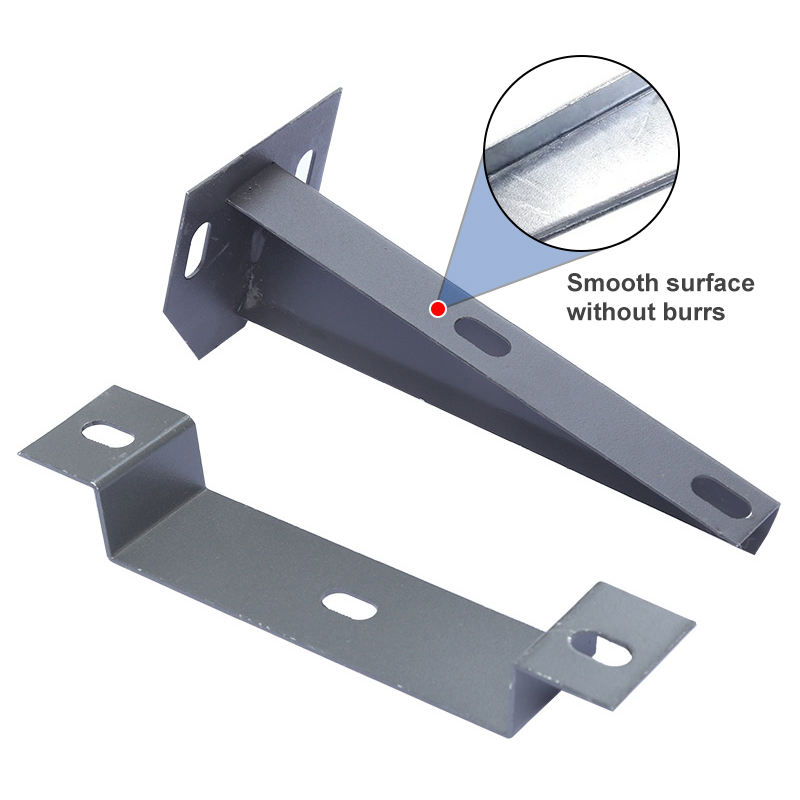
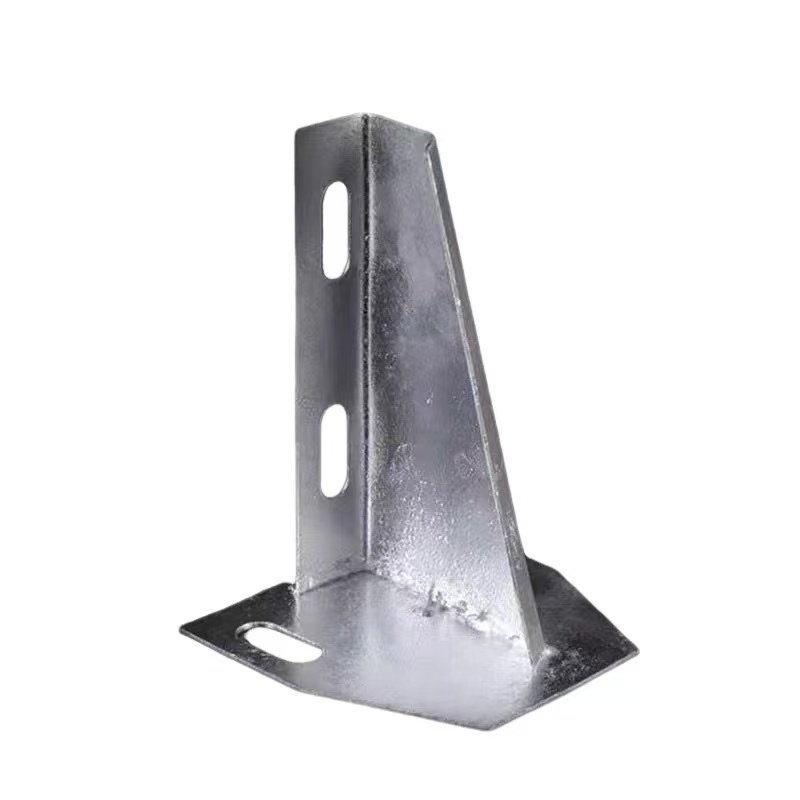
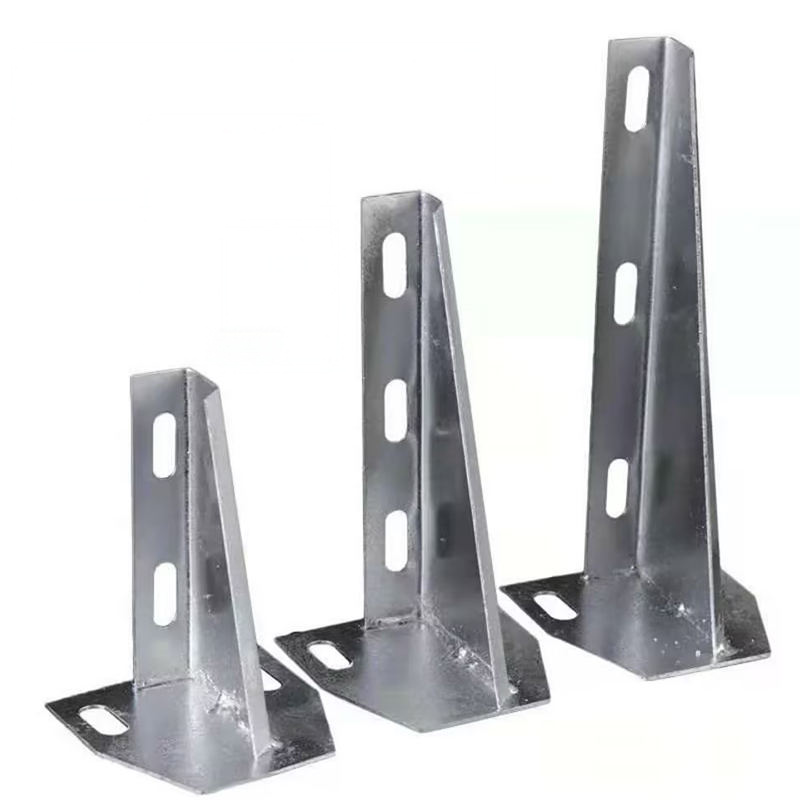
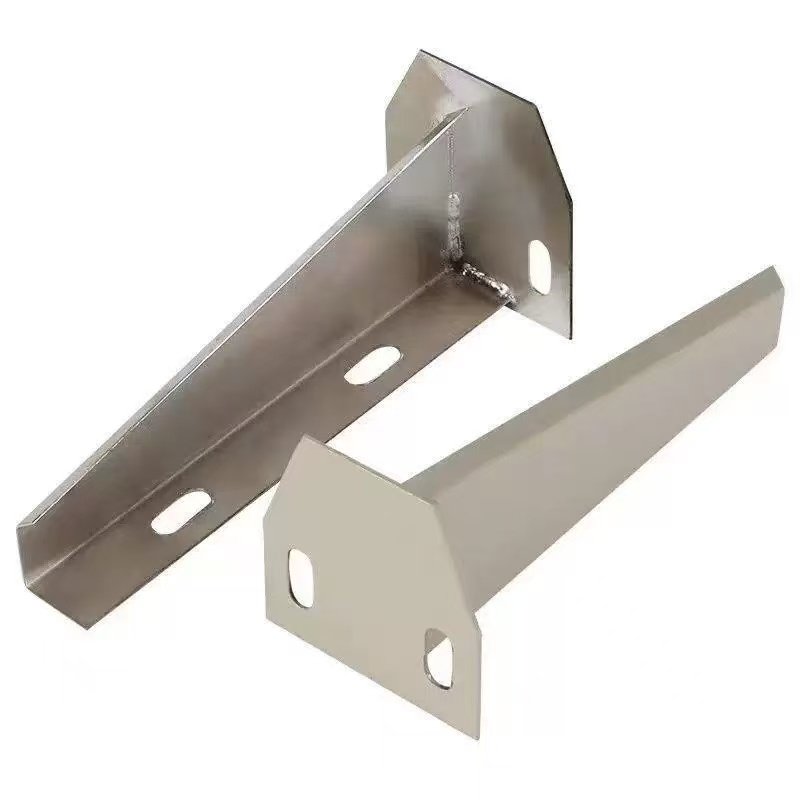
A: Both mount to walls. A wall bracket typically has a horizontal arm supported by a diagonal gusset or a continuous L-shape. A cantilever bracket often has a deeper vertical leg and is designed for heavier loads and longer extensions (up to 36″). Consult Lanye load ratings for your specific need, rather than relying solely on the name.
Q9: How do I calculate the load per bracket for a uniformly loaded tray?
A: Use this simple formula: Load per bracket = (Cable weight per linear foot) × (Bracket spacing in feet) ÷ (Number of brackets supporting that span). Example: Tray load = 80 lb/ft, spacing = 6 ft → 80 × 6 = 480 lb per 6-ft span. If two brackets support that span (at each end), each bracket sees 240 lb. Choose a Lanye bracket rated for ≥240 lb safe working load.
Q10: Can I order brackets with custom arm lengths or hole patterns?
A: Absolutely. Lanye manufactures custom brackets in quantities as low as 10 pieces. Please provide a dimensioned sketch or CAD file. Typical lead time for custom brackets is 10–14 business days, in addition to our standard 15-20 day delivery for non-custom orders.