A Cable Trunking system is a type of cable management solution used to organize, protect, and route electrical wires and cables in buildings and industrial sites. Instead of laying cables loosely on surfaces, a Cable Trunking provides an enclosed pathway—usually with a removable cover—so cables stay neat, safe, and easier to maintain.
In offices, homes, factories, data centers, schools, and commercial properties, Cable Trunking helps installers run power and communication cables in a structured way. It can also support future upgrades by making it simpler to add or replace cables.
1.Why Do People Use Cable Trunking?
There are several practical reasons to use a Cable Trunking system:
1.1 Protection Against Physical Damage
Cables can be damaged by foot traffic, tools, impacts, dust, or moisture. Cable Trunking forms a barrier that helps protect wires from everyday hazards.
1.2 Improved Organization and Neat Appearance
A Cable Trunking pathway keeps cables aligned and reduces messy wiring. This is important for both safety and the visual quality of installations.
1.3 Easier Maintenance and Troubleshooting
When a problem happens, technicians can open the cover and access cables quickly. This saves time during inspection, repair, and upgrades.
1.4 Better Cable Separation and Routing
Different types of cables (power, data, control) may need separation. With Cable Trunking, installers can route and manage cables more systematically.

2.What Is A Cable Trunking?
So, what is a Cable Trunking?
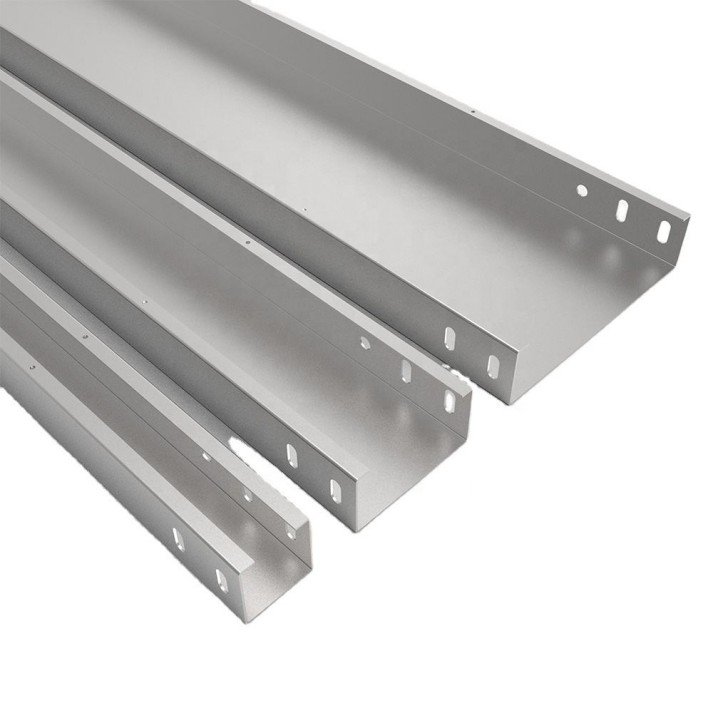
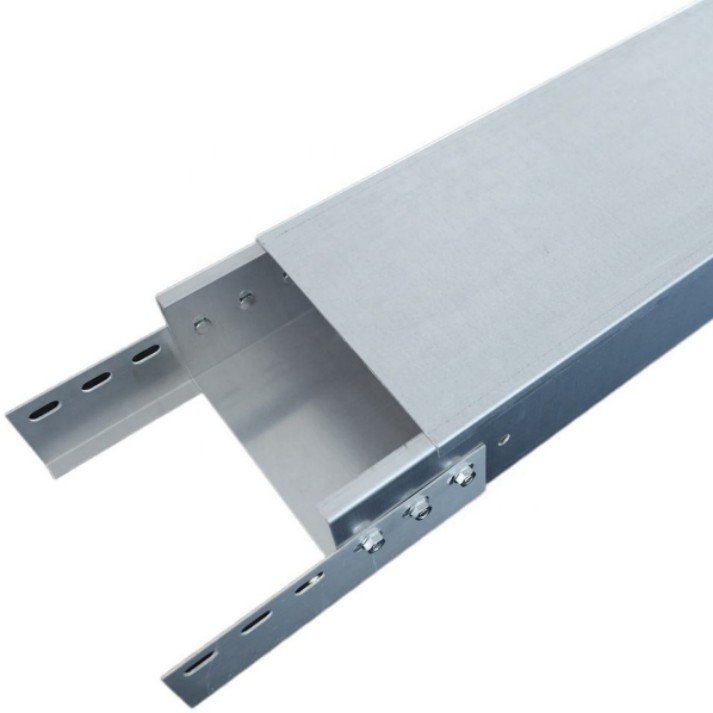
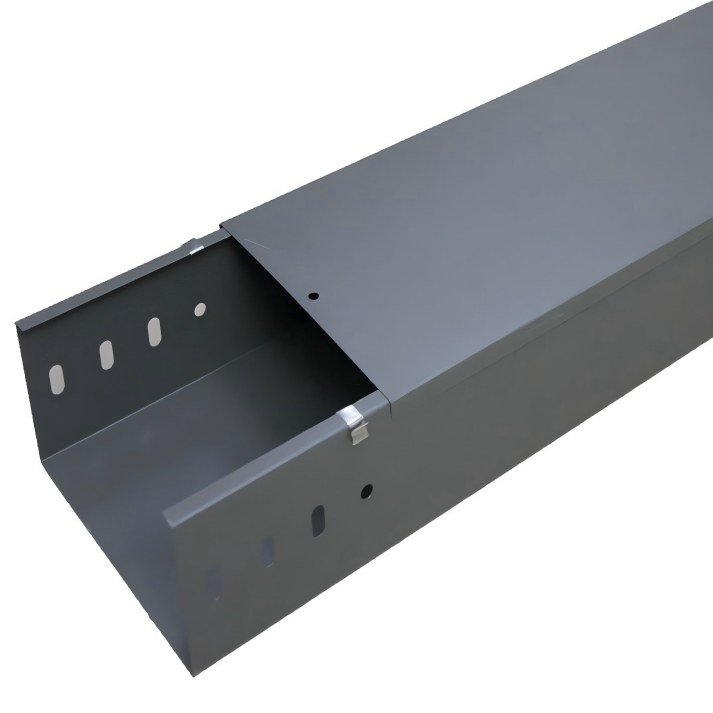
A Cable Trunking is an enclosed channel—often made from metal or plastic—installed along walls, ceilings, or floors. Typically, it has:
- A base section (the “tray” that holds cables)
- A cover/lid (that closes the channel)
- Fixing accessories (clips, brackets, screws, or anchors)
- Optional fittings (corners, tees, junction boxes, dividers)
Because it is enclosed, Cable Trunking is often chosen where cables need extra protection or where a tidy appearance is required.
Common Components of Cable Trunking
2.1 Trunking Body (Base)
The base part supports cable weight and provides the main pathway.
2.2 Cover / Lid
A removable cover allows access for cable installation and maintenance.
2.3 Accessories and Fittings
Real installations are rarely straight lines only. That’s why Cable Trunking systems usually include connectors such as:
- Internal and external corners
- Straight couplers
- Tee branches
- Junction boxes
- End caps
- Wall mounting brackets
- Suspended support kits (in some ceiling applications)
2.4 Dividers (Optional)
Some Cable Trunking offers dividers to separate cable groups. This can help with neatness and may reduce interference risk between certain cable types.
3.How Cable Trunking Works in a Real Installation?
A Cable Trunking system works as a “protected route” for cables.
Step-by-Step Process (Easy Understanding)
Step 1: Plan the Cable Route
Installers first plan where cables must go. They decide:
- The path (straight runs, corners, branches)
- The locations of outlets, switches, panels, and equipment
- Whether cables need separation or special protection
Step 2: Fix the Trunking Base in Place
After measuring and marking the route, installers fix the base section to walls or other surfaces using the correct brackets and spacing.
Step 3: Add Cables Inside
Cables are then placed into the trunking. In many cases, installers pull cables through before closing the cover, or they feed cables gradually as the trunking is assembled.
Step 4: Connect to Electrical Points
When the cable reaches an outlet, junction, or device, it is connected according to wiring requirements.
Step 5: Close with the Cover
Finally, the cover is installed, locking cables inside and restoring a clean finished look.
Step 6: Test and Inspect
After installation, electrical tests and inspection ensure everything is safe and properly connected.
4.Types of Cable Trunking (What You May See)
Even though the keyword Cable Trunking covers many products, you’ll often see different types based on material, installation style, and environment.
4.1 Metal Cable Trunking
Metal trunking is commonly used in industrial or commercial settings where strength and fire resistance matter. It is usually made from steel or aluminum and may include coatings for corrosion protection.
4.2 PVC / Plastic Cable Trunking
Plastic Cable Trunking is popular for indoor residential and light commercial use because it is lightweight and easier to work with. It can also resist corrosion in many environments.
4.3 Surface-Mounted Cable Trunking
This is the most common style: trunking is installed directly on walls or ceilings. It is visible, but it creates a very organized cable route.
4.4 Concealed / Recessed Trunking
In some applications, Cable Trunking can be installed inside walls or ceilings so that only outlets and covers are visible.
4.5 Fire-Rated or Special-Use Trunking
Where required, installers use fire-rated Cable Trunking or special designs that better protect cables during fire conditions.
5.Key Benefits of Cable Trunking
A good Cable Trunking system offers many advantages for both safety and project efficiency.
5.1 Better Cable Protection
With a cover and enclosed design, Cable Trunking helps protect cables from:
- Physical impact
- Dust and dirt
- Light moisture exposure (depending on product rating)
- Accidental contact
5.2 Improved Safety and Compliance
When cables are properly housed in Cable Trunking, they are less likely to be damaged or exposed. This supports safe installation practices and can make it easier to meet building or electrical requirements.
5.3 Organized Cabling for Easy Upgrades
Many buildings grow over time. A Cable Trunking approach makes it simpler to:
- Add new cables
- Replace old cables
- Reroute specific lines
- Perform maintenance without major demolition
5.4 Cleaner Finishing and Professional Look
Visible trunking can actually improve appearance by creating straight, neat lines. This is especially useful in offices and commercial spaces.
5.5 Faster Installation Than Loose Wiring
In many projects, a Cable Trunking system reduces the complexity of routing. Installers can follow the trunking path, pull cables efficiently, and keep the workflow organized.
6.How to Choose the Right Cable Trunking
Choosing the best Cable Trunking depends on your building needs and cable requirements.
6.1 Consider the Cable Quantity and Size
First, estimate cable count and cable diameter. A Cable Trunking that is too small can cause:
- Difficulty closing the cover
- Cable bending stress
- Overheating risk in some scenarios
6.2 Choose the Material for the Environment
- For dry indoor areas: PVC or coated metal may be sufficient.
- For harsh environments (wet, corrosive, industrial): metal with corrosion protection or special designs may be better.
6.3 Check the Installation Style
Decide if you need:
- Surface-mounted Cable Trunking
- Recessed/concealed trunking
- Fire-rated systems (if required)
6.4 Look at Accessories and Fittings
A complete system should include the fittings you need:
corners, tees, end caps, junctions, and mounting brackets. Without the right accessories, installations become difficult and messy.
7.Common Applications of Cable Trunking
A Cable Trunking system is used in many locations, such as:
- Office buildings (power distribution, network cabling)
- Schools and universities (lecture room wiring, control systems)
- Warehouses and factories (industrial power and control)
- Retail stores (lighting power and data connections)
- Residential renovations (TV, internet, CCTV pathways)
- Hospitals and labs (where organized and protected routing is essential)
8.FAQ About Cable Trunking
Q1:What is the difference between Cable Trunking and cable tray?
A Cable Trunking is typically enclosed with a cover, while a cable tray is often open or partially open. Cable Trunking provides more protection from dust and physical contact.
Q2:Can I install Cable Trunking vertically?
Yes, many Cable Trunking systems can be installed vertically, especially on walls. Proper fixing and cable support are important to ensure stability.
Q3:Is Cable Trunking suitable for communication cables?
Yes. A Cable Trunking system can route communication cables like LAN, phone, and CCTV cables. Some systems include dividers to help separate cable types.
9.Conclusion
A Cable Trunking system is an enclosed cable management solution designed to organize, protect, and route cables neatly and safely. By using a base channel and a removable cover, Cable Trunking helps reduce cable damage, improves appearance, and makes maintenance easier.
Whether you need Cable Trunking for power cables, data cables, or mixed electrical services, choosing the right material, size, and fittings is key. With a properly installed Cable Trunking system, your wiring becomes more reliable, easier to manage, and ready for future upgrades.