-Walkway.png)
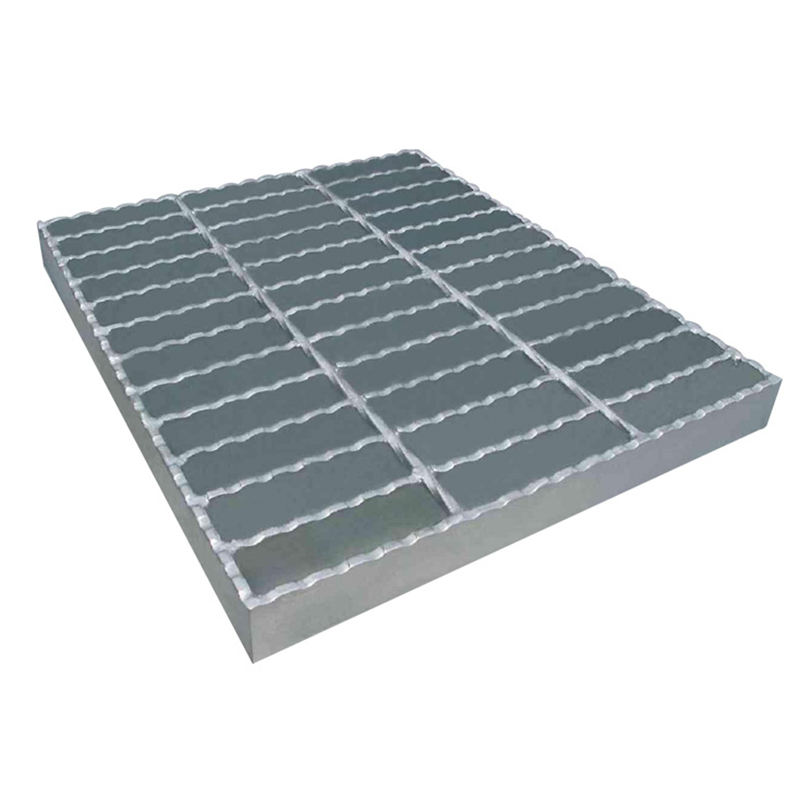

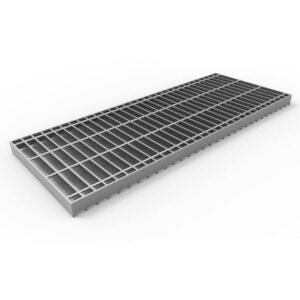
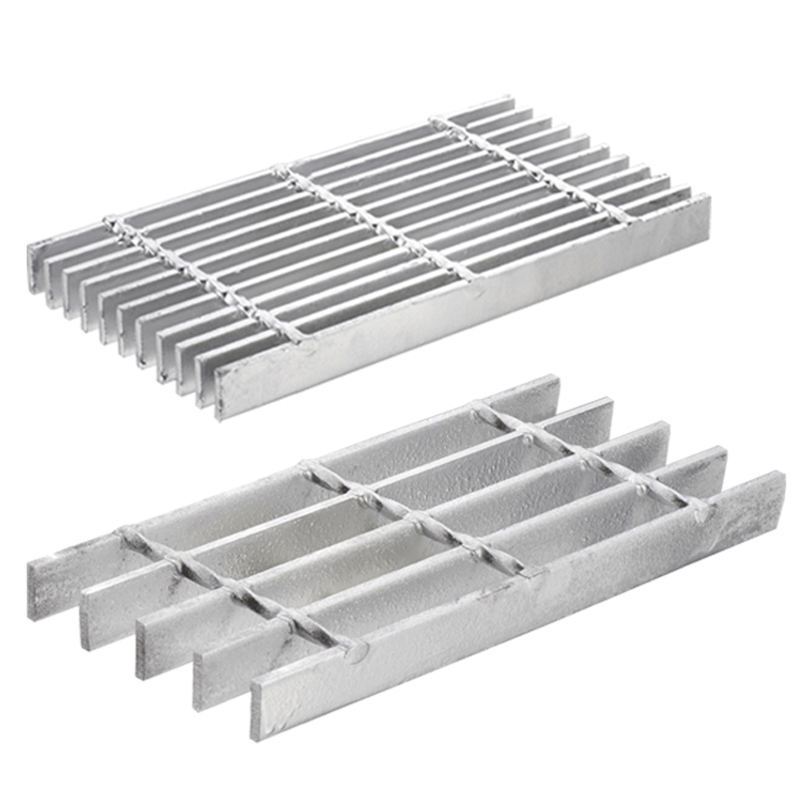
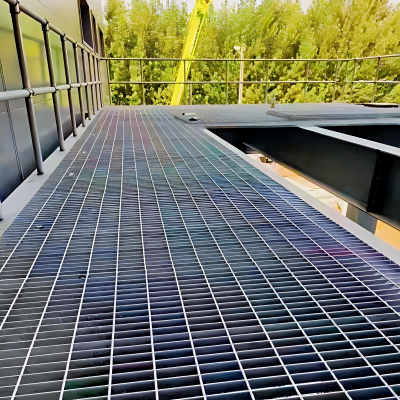
Heavy zinc coating ensures ultimate long-term rust prevention.
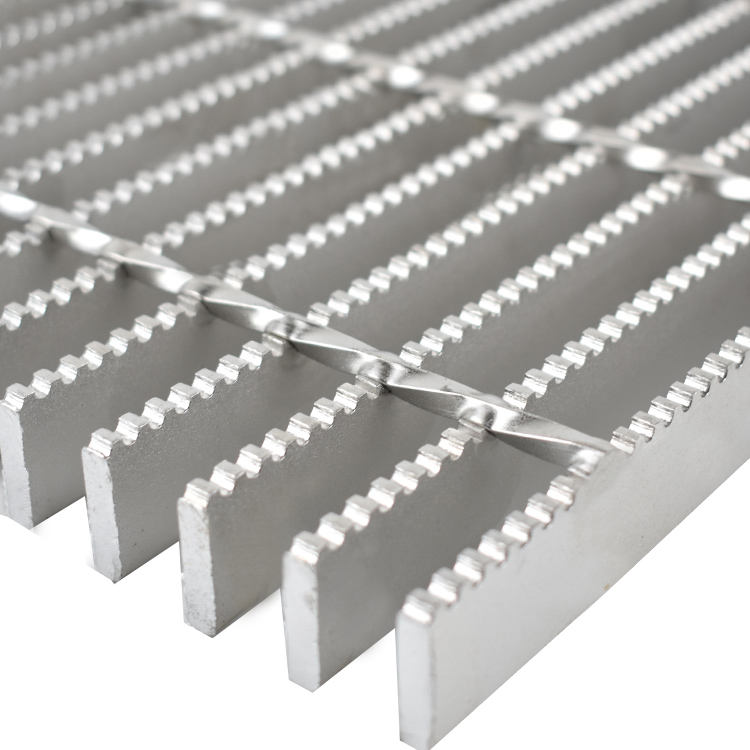
Serrated surface provides excellent slip resistance in rain.
Open grid structure allows liquid and debris drainage.
Robust steel frame supports heavy industrial pedestrian traffic.
In modern industrial and infrastructure projects, safe and durable access systems are essential for efficient operations, maintenance, and personnel safety. Whether it is a rooftop maintenance path, factory platform, offshore facility, or large-scale infrastructure installation, the walkway system must be capable of handling heavy loads, resisting environmental damage, and ensuring long-term reliability.
However, traditional walkway solutions—especially painted steel systems—often fail to meet these requirements. Over time, exposure to moisture, chemicals, UV radiation, and industrial pollutants leads to corrosion, structural degradation, and increased maintenance costs. This not only impacts operational efficiency but also raises safety concerns.
This is why Hot Dipped Galvanized Walkway systems have become a preferred solution for engineers, EPC contractors, procurement teams, and project owners worldwide.
A Hot Dipped Galvanized Walkway (HDG Walkway) is manufactured using high-strength carbon steel and treated through a hot-dip galvanizing process, which creates a thick, durable zinc coating. This coating provides superior corrosion resistance, mechanical protection, and long service life, even in the most demanding environments.
Compared with other materials, HDG Walkway systems offer an ideal balance of strength, durability, cost-efficiency, and safety—making them one of the most widely specified walkway solutions in industrial and infrastructure projects.
A Hot Dipped Galvanized Walkway is a heavy-duty steel walkway system designed to provide safe and reliable access across industrial platforms, rooftops, structures, and facilities. It is manufactured using structural steel components that are fully coated through a hot-dip galvanizing process.
The hot-dip galvanizing process involves immersing fabricated steel components into molten zinc at temperatures of approximately 450°C. During this process, a metallurgical reaction occurs between the steel and zinc, forming a series of zinc-iron alloy layers. These layers create a strong, bonded coating that protects the steel from corrosion and environmental damage.
Unlike painted or electro-galvanized finishes, the coating on a Hot Dipped Galvanized Walkway is significantly thicker and more durable. It provides both barrier protection (preventing moisture and oxygen from reaching the steel) and cathodic protection (sacrificial protection where zinc corrodes instead of steel).
An HDG Walkway system typically includes the following components:
The surface design of the walkway can be customized based on safety and application requirements. Common surface types include:
The open grating structure allows for:
Compared with alternative materials such as FRP, aluminum, or stainless steel, Hot Dipped Galvanized Walkway systems offer higher mechanical strength and better resistance to heavy loads and impact.
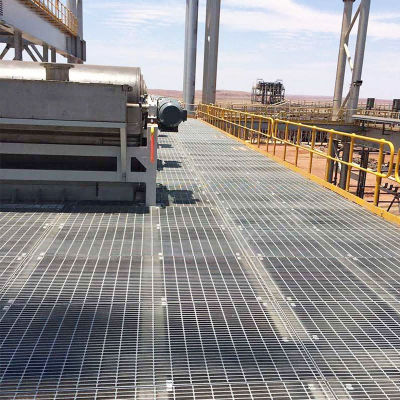
Because of their durability and reliability, HDG Walkway systems are widely used in industries that require long-lasting, low-maintenance access solutions.
| Parameter | Specification |
|---|---|
| Product Name | Hot Dipped Galvanized Walkway |
| Material | Carbon Steel |
| Surface Treatment | Hot Dipped Galvanized (HDG) |
| Zinc Coating Thickness | 80–120 μm (Typical), Customizable |
| Standard Thickness | 2.0 mm – 5.0 mm |
| Walkway Type | Grating / Solid Plate / Perforated Plate |
| Grating Type | Welded Steel Grating / Press-Locked Grating |
| Width | 300 mm – 1200 mm (Customizable) |
| Length | Standard 3000 mm / 6000 mm or Custom |
| Load Capacity | Medium to Heavy Duty |
| Surface Type | Plain / Serrated Anti-slip |
| Corrosion Resistance | Excellent (Outdoor and Marine Environment) |
| Installation | Platform / Walkway / Industrial Access / Rooftop |
| Application | Industrial Plants, Offshore, Power Stations, Infrastructure |
| Standards | ASTM A123 / BS EN ISO 1461 / ISO 1461 |
3.1 Superior Corrosion Resistance
The most important advantage of a Hot Dipped Galvanized Walkway is its exceptional resistance to corrosion. The thick zinc coating protects the steel from exposure to moisture, oxygen, and corrosive elements.
This makes it ideal for:
3.2 Long Service Life (20–50 Years)
One of the key reasons engineers specify HDG Walkway systems is their long service life. Depending on environmental conditions, these systems can last for decades without significant degradation.
3.3 Heavy-Duty Load Capacity
Steel construction provides excellent load-bearing capacity. HDG Walkways are suitable for:
3.4 Anti-Slip Safety Performance
Safety is critical in walkway design. Hot Dipped Galvanized Walkway systems can be equipped with serrated surfaces that provide strong anti-slip performance, even in wet or oily conditions.
3.5 Low Maintenance Cost
Unlike painted systems, HDG walkways do not require frequent repainting or corrosion treatment. This significantly reduces maintenance costs over the lifecycle of the project.
3.6 Strong Mechanical Strength
Steel provides excellent resistance to:
This ensures long-term stability and safety.
3.7 Cost-Effective Compared to Stainless Steel
While stainless steel offers excellent corrosion resistance, it comes at a much higher cost. HDG Walkway systems provide a more economical alternative with comparable durability in many applications.
3.8 Easy Installation and Modular Design
HDG walkways are designed for easy installation. Modular components allow:
3.9 Suitable for Harsh Industrial Environments
These walkways perform reliably in:
A Hot Dipped Galvanized Walkway is widely used across various industries due to its durability, strength, and corrosion resistance.
4.1 Industrial Applications
4.2 Energy & Power
4.3 Oil & Gas Industry
4.4 Infrastructure Projects
4.5 Commercial & Building Projects
4.6 Marine & Coastal Environments
In all these applications, Hot Dipped Galvanized Walkway systems ensure safe access, long-term durability, and minimal maintenance.
Q1: What is the difference between HDG and painted walkway?
HDG provides much stronger corrosion protection and longer lifespan.
Q2: What is the typical galvanizing thickness?
Usually 80–120 μm, but can be customized.
Q3: Is HDG Walkway suitable for outdoor use?
Yes, it is specifically designed for outdoor environments.
Q4: Is it anti-slip?
Yes, serrated and textured surfaces are available.
Q5: Can it be customized?
Yes, size, thickness, and design can be customized.
Q6: What standards does it comply with?
ASTM A123, ISO 1461, and other international standards.